Op-ed by Mia Barnes, Body+Mind Magazine.
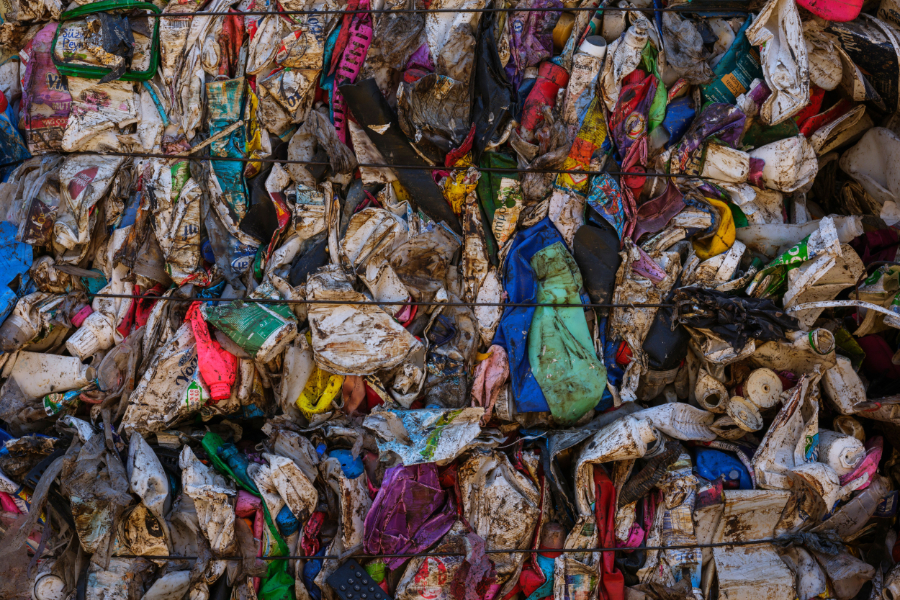
The healthcare industry is critical to ensuring people’s health and well-being. However, its ability to generate vast amounts of waste from single-use plastics and other disposables is difficult to ignore.
From a business perspective, this lack of sustainability can be costly and contribute to the ongoing pollution problem worldwide.
Thankfully, the rise of smart packaging solutions has benefited the medical field by minimising healthcare waste and conserving key resources.
The state of waste in the healthcare industry
Healthcare is committed to ensuring patient safety, which may include objectives such as improving infection control and preventing cross-contamination.
Unfortunately, the efforts that come with this can build up plenty of waste, accounting for almost up to 2% of urban waste.
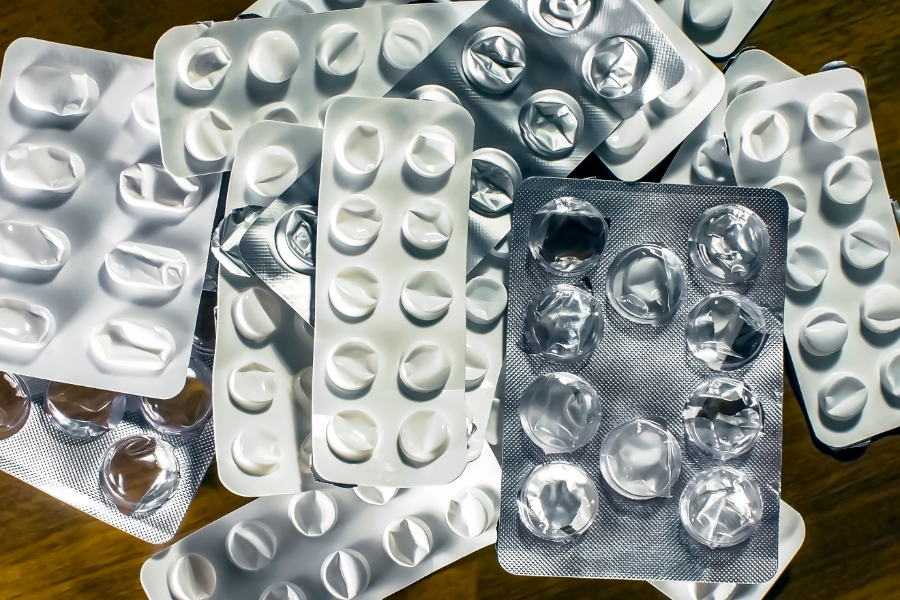
Packaging accounts for a large portion of that waste, making up 85% of non-hazardous waste. It is a necessity, since research laboratories have to transport medical devices and other pharmaceutical products to medical centers, hospital facilities, veterinary clinics, nursing homes and other locations.
However, this demand doesn’t erase the fact that the packaging will end up in landfills once it has served its purpose of getting from point A to point B.
Plus, if healthcare waste isn’t segregated, packaging components can get mixed with hazardous waste, such as chemicals and other toxic substances.
Increasing the amount of hazardous waste can pollute waters or the air if incinerated. It would create a dangerous environment that can harm human health and other living things.
Key functions behind smart packaging
Smart packaging systems can promote sustainability by addressing many of the pain points that drive healthcare waste. It can be a great way for medical businesses to manage their resources effectively as well.
Tracking medication expiration
Medication is prone to expiring after a certain period. Unfortunately, longer travel times can be hard to avoid when businesses aim to transport their supplies to farther destinations. Thankfully, there are intelligent packaging systems to record real-time information about the product.
Adding sensors can help with product quality monitoring during transport. Adding electronic components like RFID tracking can also help with inventory management, which is pertinent to tracking expiration dates.
It’s also wise to mix intelligent packaging systems with active packaging. These solutions can increase product shelf life by inhibiting microbial growth and mitigating moisture. It still performs well in protecting the product while enhancing sustainability efforts.
Monitoring cold-chain temperatures
Food waste can make up a portion of healthcare’s non-hazardous waste. Unfortunately, about 12% of the world’s food is wasted due to insufficient refrigeration. Heat exposure can also degrade other pharmaceutical supplies.
Some companies take this into account and decide to reduce the form of the solution to more transport-friendly options like bars and capsules. Steam sterilisation is also combined with mechanical processes, such as mixing, grinding and shredding.
Adding time temperature indicators can help check on the thermal condition and history of the item mid-transport. These offer both visual and chemical insights that dictate whether the product is still viable for use.
Preventing over-prescribing
Medical prescriptions are vital to nursing patients back to health. Unfortunately, a study found that the healthcare industry doesn’t have individualised prescribing practices and often prescribes larger amounts of pharmaceuticals than what’s actually needed.
Healthcare businesses must prioritise precision over profits. Patients should also do their due diligence when taking their medication. Thankfully, there are digital adherence solutions that provide medication reminders and other educational material.
There are also smart pillboxes that can record when dosages are accessed and ingested as scheduled. They would also alert healthcare providers when medications are missed, preventing them from expiring and ensuring patients receive their prescribed doses.
Verifying authenticity
Smart packaging solutions can also authenticate products and stop counterfeit disposal. Fake medicine may contain excessive ingredients or harmful components, undermining consumer trust and well-being. It also uses up unnecessary resources for packaging and transporting.
Add smart labels to authenticate pharmaceutical goods. Certain variations can also offer tamper detection, which is vital to improving supply chain security in the long run.
Minimise healthcare waste
Smart packaging systems, such as active and intelligent packaging, can help health companies save millions by reducing expired or spoiled pharmaceutical and medical device waste.
Adopting these systems is worth the investment if you want to improve your sustainability and resource efficiency.