Businesses need to adapt how they approach sustainability by linking it more directly to financial performance, operational efficiency and investment decisions.
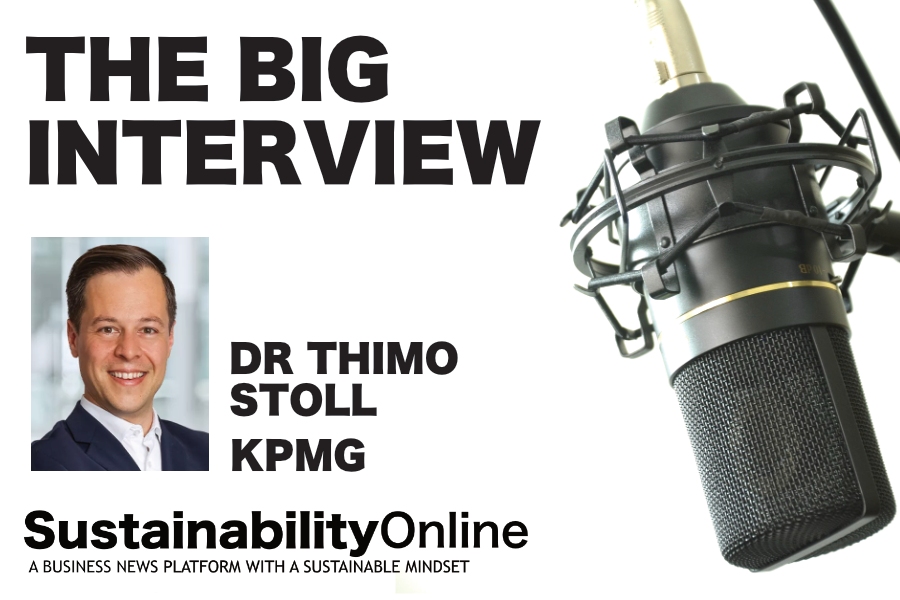
That’s according to Dr Thimo Stoll, advisory partner at KPMG, who works with consumer goods and retail clients on strategy, performance improvement and transactions, including refining sustainability and decarbonisation strategies, developing circular business models, securing public funding and integrating ESG considerations into buy- and sell-side processes.
Operational efficiency
As he tells SustainabilityOnline, in terms of moving the conversation ‘from ESG to EBITDA’ – to borrow the title of a presentation of his from earlier in the summer – he sees operational efficiency as a key opportunity for quick wins.
“When working with private equity clients, operational efficiency has always been the focus,” he says. “If you discuss energy efficiency or supply chain optimisation, this is at the core of what operational excellence is about.
“I also see a lot of good business around circularity, because you have more reliable non-financial indicators nowadays, and you can link them clearly to the value flows of companies.”
Business partner
Stoll argues that sustainability teams should move towards a “business partner” approach within their organisations – in other words, rather than treating a broad range of sustainability issues with equal merit, teams should focus on the topics most likely to influence business performance.
This requires sustainability teams to combine technical and financial knowledge and work with management, finance and functional leaders to assess priorities and determine what is feasible.
“You need to go from an approach where – I’m talking mostly about the European perspective – everything was equally important, and growing in importance at the same time,” he says. “You need to take a more strategic view. What are the top five topics where you can move the needle? Then, when that’s determined, you need to have the right capabilities to speak both technical and financial language.
“Because that’s when you have more informed discussions about where you are standing, and what is feasible. You’re not coming from a moral imperative or from regulatory pressure. You’re coming from a business sense.”
Strategic priorities
As Stoll notes, companies are approaching sustainability at different speeds, depending on their sector, ownership and business pressures. Regardless of their approach, however, he he identifies resilience, efficiency and growth as three areas where sustainability can drive value creation.
“It’s hard these days to discuss sustainability in isolation,” he says. “It needs to be integrated into the broader discussion about where a company is moving, how a company is adapting to market realities, and what its strategic priorities are.”
The same principle applies to private equity firms. Stoll says sustainability should be incorporated into investment decisions and due diligence rather than treated as a separate ESG exercise.
“The challenge of sustainability in a deal context is that it cannot be seen as a silo,” he says. “If you see sustainability or ESG as a silo, then you do tick-the-box exercises. ‘Do they have X policy?’ ‘What certifications do they have?’ And so on.”
Instead, investors should consider sustainability across multiple due diligence levels, such as financial, commercial, legal and HR. He also points to regulatory changes such as the EU’s Carbon Border Adjustment Mechanism – even investors who are not focused on sustainability need to “have these on their radar”, because they can affect the future viability and value of an investment.
“In other words, sustainability is an important lever, no matter what the spirit of the day is,” Stoll adds. “If you’re a dealmaker, you want to de-risk the asset that you’re investing in.
“You need to understand the risk that you’re buying, no matter whether you call it ESG, sustainability or simply a licence to operate.”
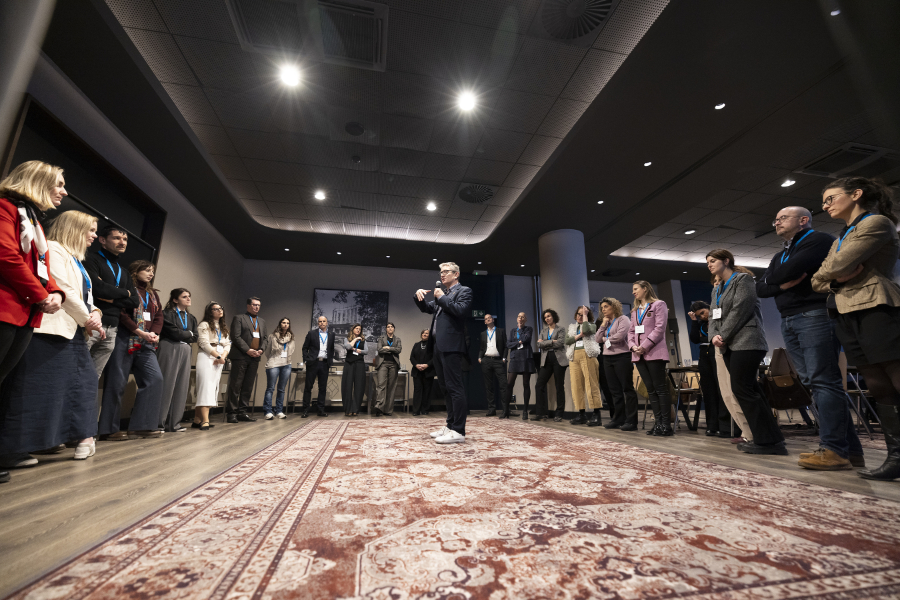
SustainabilityOnline spoke to Dr Thimo Stoll at The Consumer Goods Forum Global Summit, which took place in Vienna in June.