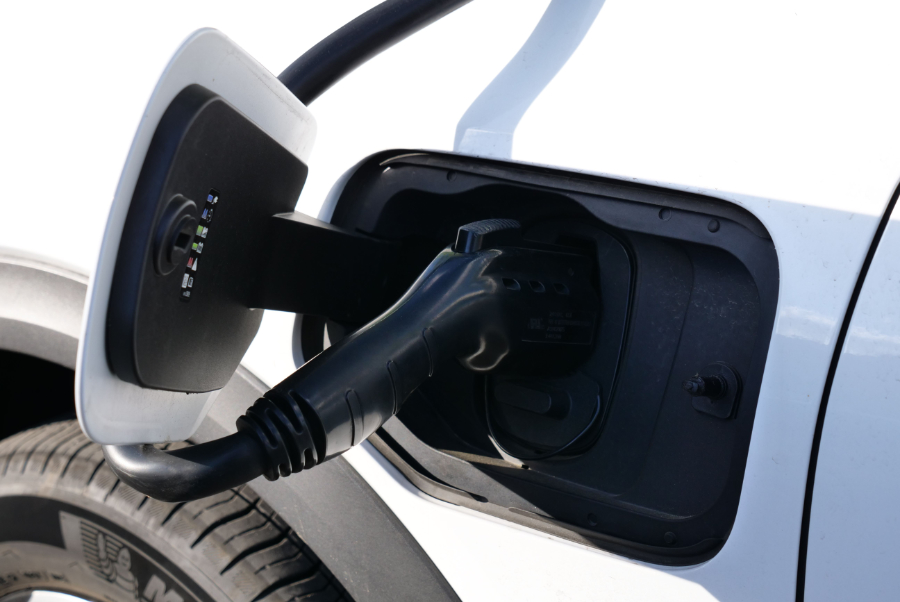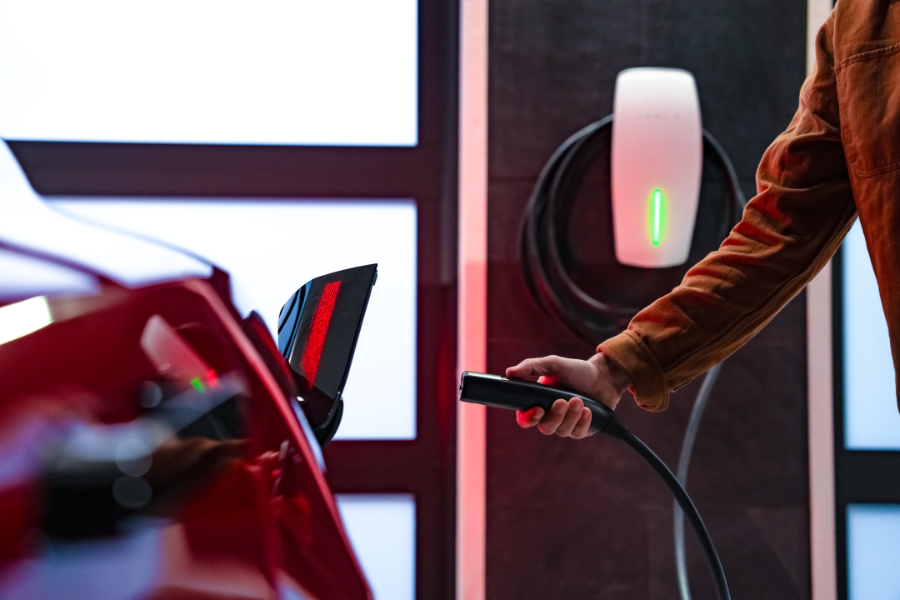
Battery electric vehicles are set to grow to 30% of global automotive production over the next five years, up from 18% currently, new analysis from PwC has suggested.
According to PwC’s inaugural Global Automotive Outlook, as BEV production scales up, the share of traditional internal combustion engine (ICE) vehicles is set to fall from 60% to 41%.
In China, meanwhile, the shift is ‘far sharper’, it noted, with BEV’s share of production set to rise to 40%, up from 29%, while ICE vehicles fall from 43% to 29%.
AI usage
PwC’s survey of 720 automotive executives across 33 countries also found that the proportion of automotive firms using AI and advanced technologies is expected to rise from 47% today to 72% by 2030.
More than half (51%) of automotive executives identified AI as ‘one of the most important technologies for achieving their strategic goals’, according to the report, ahead of 41% that cited battery and electric powertrains, and 39% that cited in-vehicle software connectivity.
As PwC noted, the growing focus on technology, across automotive manufacturing, R&D, supply chains, sales and corporate functions, comes amid rising competition. Some 46% of respondents viewed new entrants from adjacent industries, such as technology and energy, as a key source of competition over the next five years.
At the same time, however, many automotive firms are positioning themselves ready to respond – four-fifths (80%) of ‘future-fit’ automotive companies identified in PwC’s analysis a ‘high tolerance for strategic risk-taking’.
“The vehicle is no longer defined by the steel that leaves the factory – it is increasingly being defined by software, digital services and data analytics,” commented Harald Wimmer, global automotive leader, PwC Germany.
“As the sector faces increased competition and technology re-shapes the mobility experience, automotive makers must be putting their digital strategies front-and-centre if they are to unlock growth.”
Geographical shifts
Elsewhere, the report identifies notable shifts in where automotive firms expect future growth to come from, with just over a quarter of respondents (26%) citing Western Europe as a future ‘top three’ growth market, down from 44% currently. South Asia, meanwhile, rises from 24% to 45%, while Southeast Asia increases from 31% to 44%.
“Automotive executives understand the disruption underway – from software to AI to energy – but their ability to act decisively is constrained by governance rooted in legacy priorities,” Wimmer added. “To succeed, automakers must evolve their governance to balance capital discipline with the agility and strategic options needed to fund the next wave of innovation.”
PwC surveyed some 720 automotive executives across 33 countries and territories for its report, with particular focus on China, Germany, India, Japan, and the United States. Its survey was conducted in Spring 2026. Read more here.