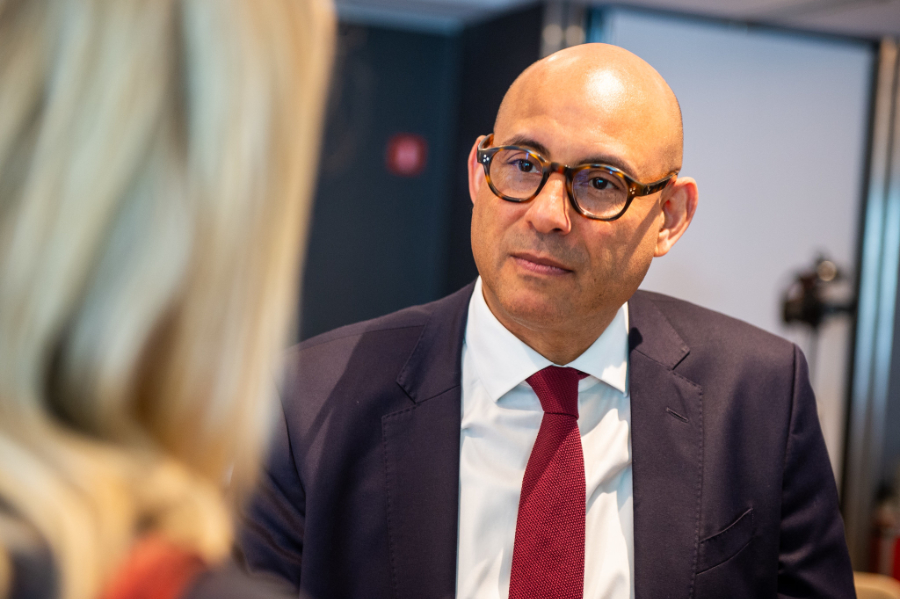
Investment in clean energy can be the antidote to the “cost chaos” of fossil fuels, United Nations Climate Change executive secretary Simon Stiell has told the Green Transformation (GX) Week in Yeosu, Korea.
GX Week, which commenced on 20 April, runs in tandem with UN Climate Week 3 (CW3), which starts on 21 April, with both events focused on driving forward practical climate solutions.
‘Chokehold’ on economy
Stiell addressed the launch of GX Week by video message, noting that conflict in the Middle East has “unleashed a fossil fuel cost crisis” in markets around the world, which has the global economy in a “chokehold”.
As he put it, “national sovereignty and security [has been] ripped away, replaced by vulnerability and instability, with households and businesses paying the price. War has – once again – revealed the soaring costs of fossil fuel dependency.”
Quoting Korean president Lee Jae Myung, who noted recently that the ‘major shift to renewable energy is no longer a national and historical task that can be postponed’, Stiell said that he was in firm agreement with this sentiment.
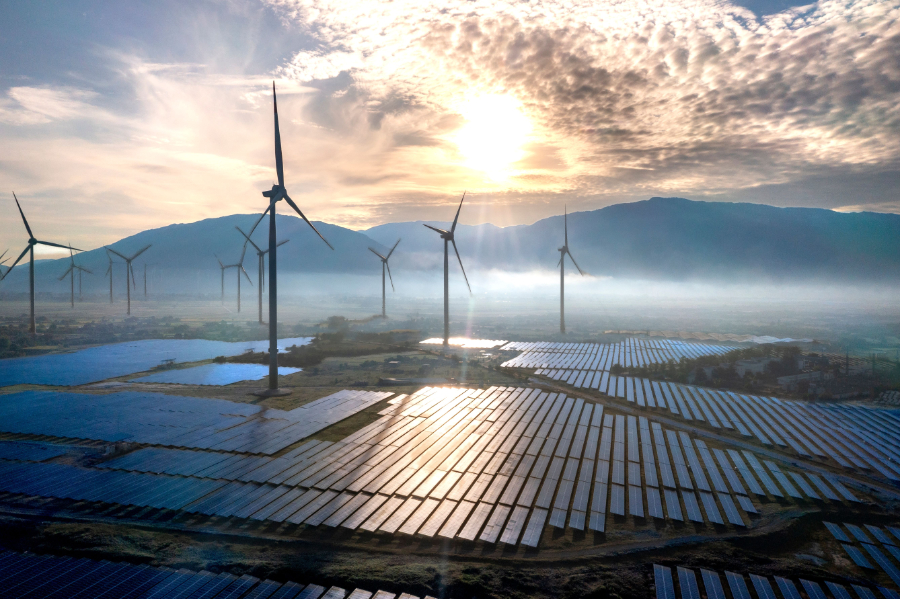
“Wars don’t disrupt the supply of sunlight for solar power, and wind power does not depend on vulnerable shipping straits,” he said. “Renewables allow governments to regain control of their economies and their national security.
“So, it is common sense to accelerate the transition to clean energy, taking care not to lock-in fossil fuels – particularly coal – when addressing immediate impacts of the crisis. And at the same time, building resilience to the climate disasters – mega-floods, powerful storms and extreme heat – which are hammering economies and driving inflation, ruining lives and breaking businesses all around the world.”
Fostering competitiveness
Going forward, he added that strong climate action will be central to countries’ competitiveness, referencing the efforts that Korea has made in terms of aligning climate progress with a skilled workforce and technological innovation.
“The faster the Republic of Korea meets and exceeds its climate targets, and the more Korean businesses invest in cleantech, the bigger the boom will be,” Stiell added.
Stiell ended his address by calling for action on energy systems and development pathways and said participants should build systems and seek to pursue transition outcomes.
“This week and every week beyond, I urge you to seize the opportunities on offer,” the UNFCCC chief commented. “Do what you can to build clean and resilient societies, industries, and economies. Bank the immense dividends on offer from global decarbonisation and resilience-building. And build a path to prosperity and security for all.” Read more here.
[Photo: UN Climate Change/© Michael Chia]