Record low water levels in the Rhine threaten Germany’s economic recovery

This year's European heatwave may have an unexpected impact on Germany's economic recovery, with record-low water levels on the Rhine threatening to reduce the country's GDP this year, according to ING.

This summer’s European heatwave may have an unexpected impact on Germany‘s economic recovery, with record-low water levels on the Rhine threatening to reduce the country’s GDP this year, according to ING.

According to Carsten Brzeski, global head of macro, ING, prolonged drought has led to significant disruption to one of Europe’s most important industrial transport corridors.

“For Germany, the Rhine is not simply one transport option among many,” he said. “It is a piece of industrial infrastructure around which much of German industry was physically built.”

Key logistics channel

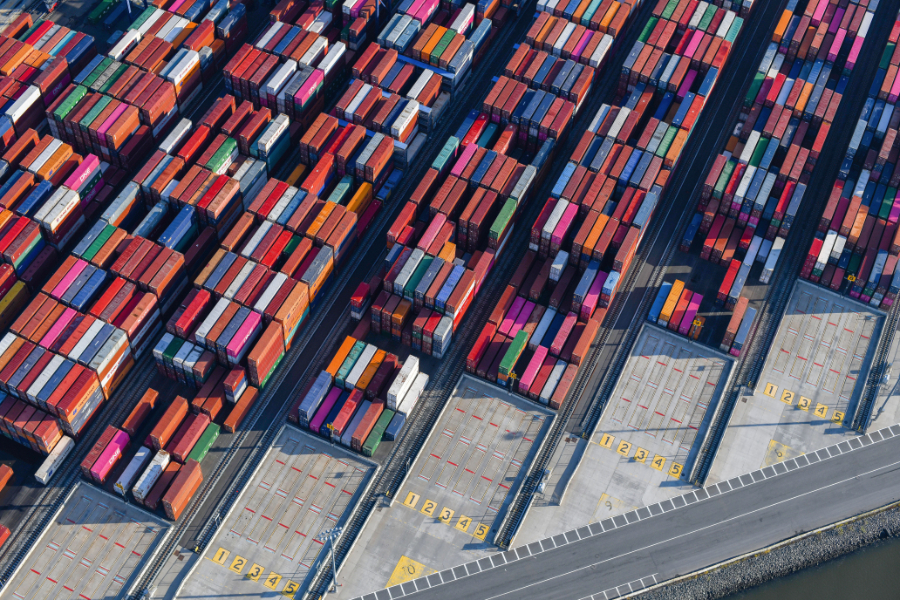
Around 285 million tonnes of freight move along the Rhine each year, accounting for approximately 80% of all goods moved on Germany’s inland waterways. The river also links three of the country’s industrial clusters – Rhine-Ruhr steel, Rhine-Main and the Ludwigshafen chemical complex – with the sea, via the Port of Rotterdam.

As ING noted, water levels at Kaub, a key shipping bottleneck on the Rhine, fell to 24 centimetres on 3 August, the lowest level since records began.

“When the Rhine runs low, the impact extends far beyond supply chains; it strikes at the heart of German industry,” Brzeski commented. “The Rhine‘s historic importance also means there are no real alternatives. Replacing a single barge can require up to 100 trucks or an entire freight train. And that’s before taking into account Germany’s well-known infrastructure challenges. Rail and road simply cannot provide a like-for-like substitute for Rhine transport.”

Previous drought

He cited research from the Kiel Institute for the World Economy, which found that a month of low water during the 2018 drought reduced inland shipping volumes by around 25% and industrial production by approximately 1%.

In terms of the effect on the German economy, the 2018 drought reduced the country’s GDP by 0.3 percentage points, with this year’s low water levels set to have a potentially bigger effect, due to record lows occurring earlier in the year.

“Obviously, the economic impact now highly depends on the length of the current drought,” said Brzeski. “A week of heavy rain could change the economic picture for the better immediately – even if this currently appears unlikely to happen.

“Unless the German government finds a reliable rainmaker, we should prepare to see a repetition of 2018 with a negative impact of at least 0.3 percentage points of GDP growth. This comes as a big setback given that the German economy has grown for three quarters in a row and was on track to reach annual GDP growth of some 0.8% this year. A blow to the recovery but not enough to ignite recession fears.” Read more here.

Discover more from Sustainability Online

Subscribe now to keep reading and get access to the full archive.

Continue reading