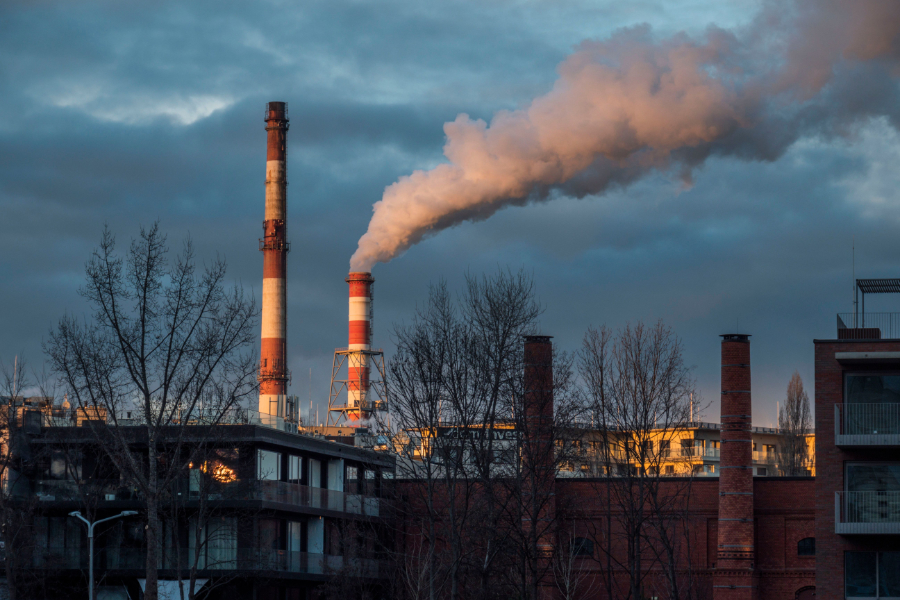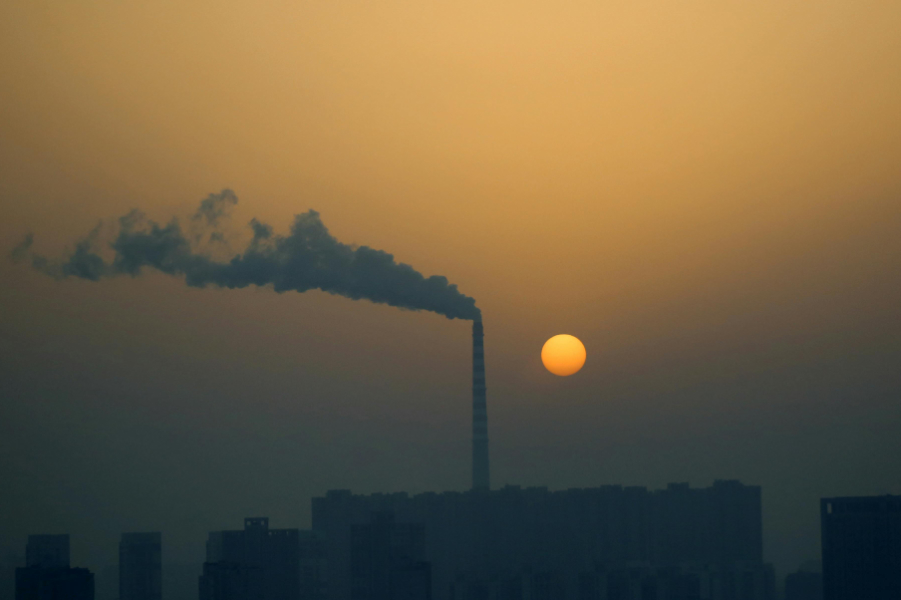
A new study by the Stockholm Environment Institute (SEI) at the University of York has said that measures such as reducing poverty and improving healthcare can be as critical as cutting emissions when it comes to lowering deaths caused by air pollution.
The study, which was published in The Lancet Planetary Health, notes that 52% of the global decrease in air pollution mortality rates between 1990 and 2019 was driven by reductions in vulnerability, such as improved access to quality healthcare and poverty reduction, rather than just reducing emissions.
If these ‘unintended shields’ were not in place, an additional 1.7 million people would have died globally in 2019 from air pollution-related causes, it adds.
‘Only part of the solution’
“While cleaning our air remains a critical goal, our findings demonstrate that reducing emissions is only part of the solution,” said Chris Malley, lead author of the study. “To improve public health, we must also focus on the factors that make people susceptible to harm. Integrating healthcare improvements and poverty reduction into air quality strategies is an essential tool for protecting the world’s most vulnerable populations from the deadly effects of air pollution.”
As the study notes, risk from air pollution is dependent not just on exposure, but also on a variety of socioeconomic and health factors, including pre-existing conditions, smoking, and access to quality healthcare. In some regions, where air quality remains poor, mortality rates have fallen due to reductions in these vulnerability factors.
A reduction in global poverty, from 45% in 1990 to 21% in 2019, has acted as a protective shield against the health burdens of smog, while public health measures such as cutting obesity and smoking rates are also contributing to lower mortality from air pollution.
Regional reductions
On a regional basis, while Europe and North America have achieved similar reductions in air pollution exposure between 1990 and 2019, reductions in air pollution-related mortality were almost twice as large in Europe, reflecting greater progress in reducing vulnerability through health and social improvements, the study adds.
As it puts it, air quality strategies ‘must evolve to include interventions that reduce non-air-pollution health determinants to complement traditional exposure reduction efforts’. Read more here.