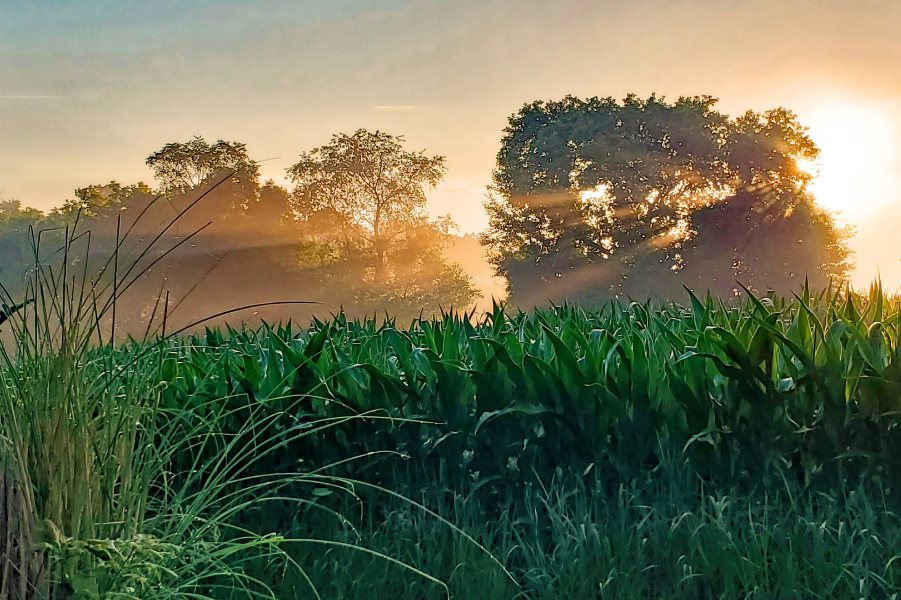
A quarter of the crops grown around the world are produced in areas where water scarcity is rampant, a new study by the World Resources Institute (WRI) has revealed.
Given that one in 11 people worldwide faces hunger, addressing the water scarcity issue is a ‘critical issue’ particularly as the planet’s population continues to grow, the group noted.
According to the WRI, rice, wheat and corn provide over half the world’s food calories, yet a third of production around the world (33%) is produced using water supplies that are highly stressed or highly variable.
In addition, just ten countries, including China, India, and the U.S., account for 72% of the world’s irrigated crops, with two-thirds of these crops facing high-to-extremely high levels of water stress – a situation not aligned with a sustainable agriculture infrastructure.
Impact of climate change
Changing of the climate is having a marked impact on production, with rain-fed crops – which account for 66% of global food production – increasingly threatened by unpredictable rainfall patterns.
‘With the need to produce 56% more food by 2050 for a population of 10 billion, addressing these water challenges is crucial. WRI’s Aqueduct Food Platform recommends solutions such as enhanced water management, reducing food waste, and shifting to less water-intensive crops,’ the WRI said. More information is available here.
EU Deforestation Regulation
Earlier this month, the WRI was among the voices calling for no postponement of the EU Deforestation Regulation (EUDR), after the European Commission proposed delaying enforcement by one year.
According to Stientje van Veldhoven, vice-president and regional director for Europe at the World Resources Institute, the move to delay the regulation “sends the wrong signal to national governments, both within and outside the EU, as well as to business partners, suggesting that the creation of a deforestation-free commodity market can wait.
“While we recognise the challenges the regulation poses for some producing countries, particularly for smallholder farmers, the focus should have been on easing implementation and ensuring greater support for tropical-producing nations.
“Most disappointing is the push from EU countries to delay enforcement, despite having more technical and financial resources to establish supply chain monitoring and traceability.” More information here.