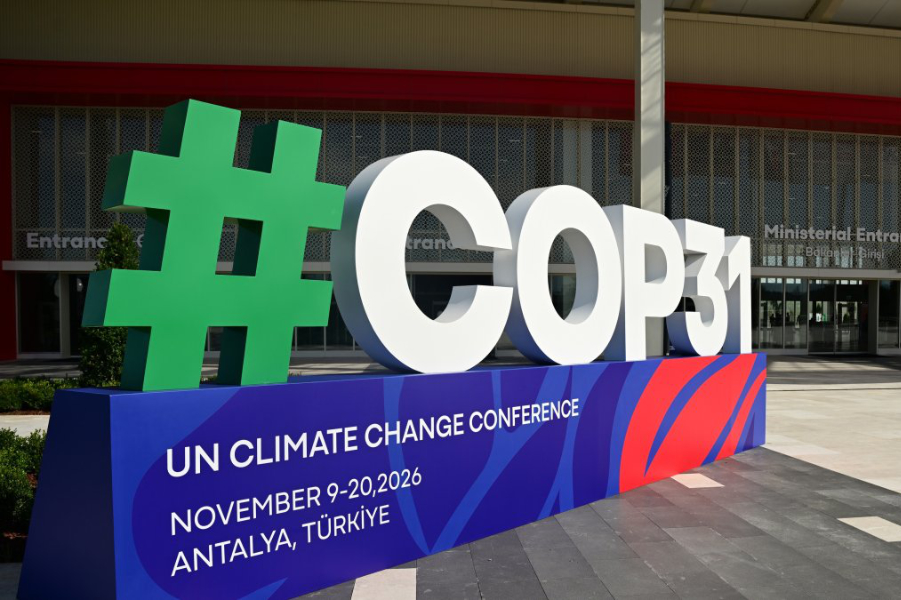
The International Chamber of Commerce (ICC) has called on governments to ‘put economic strategy at the centre of climate ambition’ at COP31, which kicks off in Antalya, Türkiye, next week.
In an open letter published by secretary general John W.H. Denton, the ICC sets out three priorities for climate ministers: accelerate the clean energy transition through electrification and energy efficiency; make climate adaptation a political and economic priority; and establish a new approach to climate finance that mobilises private capital.
‘Lay the building blocks’
“Our message is simple,” Denton writes. “For COP31 to succeed, it must firmly place economic strategy at the centre of political ambition and it must lay the building blocks for a master delivery plan – that advances climate action, prosperity, competitiveness, and energy security all at once – and sends the policy and market signals business needs.”
Amidst an “exceptionally challenging” geopolitical and economic landscape, the ICC said that the business community needs stable policies, credible incentives, harmonised standards, investable projects and access to finance in order to effectively translate climate commitments into investment.
Clean energy
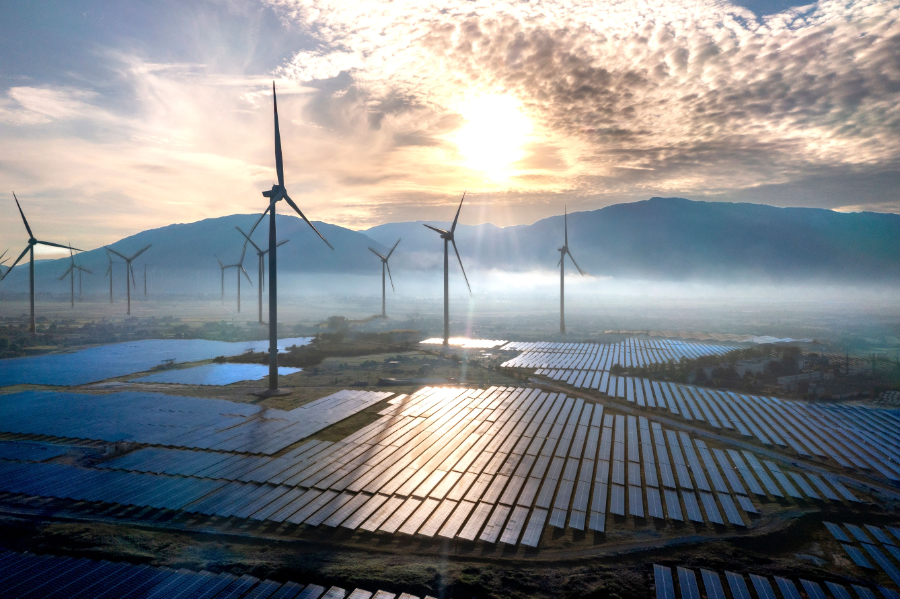
On clean energy, the organisation called on governments to accelerate the clean energy transition, alongside the development of sufficient grids, connections, system design and regulatory frameworks to support the global target of 35% electrification by 2035.
“The next phase of the energy transition will be judged not by capacity deployed alone, but by the delivery at the pace required and resilience of the energy systems it delivers,” said Denton.
Climate adaptation
Elsewhere, the ICC said that governments need to make adaptation a ‘political and economic priority’, noting that while public finance will remain necessary for adaptation measures that cannot generate commercial returns, private investors, insurers, commercial lenders and development banks will need to play a greater role in financing climate adaptation.
“Let us be clear: if we are to make progress on the Global Goal on Adaptation and come anywhere near the Belém promise to triple adaptation finance, the Belém indicators must speak to the real economy and provide robust methodologies and usable information that help calculate the return on investments and support real-world decision-making,” Denton noted.
Climate finance
Lastly, on climate finance, the ICC said regulatory, systemic and operational barriers are ‘holding back’ investment, adding that changing trajectory on this will require the political will to address the ‘real bottlenecks’ in the financial system.
“Targeted clarification of prudential rules affecting clean energy and infrastructure projects, clear targets to the catalytic deployment of private capital by multilateral development banks, and a pathway to recalibrate emerging market credit rating through better risk data,” Denton added. “These are the calls and signals a robust finance delivery plan must contain.” Read more here. [Main image: IRENA]