SustainabilityOnline recently published its inaugural ‘Ambition Into Action’ report, featuring interviews with senior leaders about how they are turning sustainability vision into business reality at the mid-point of the decade.
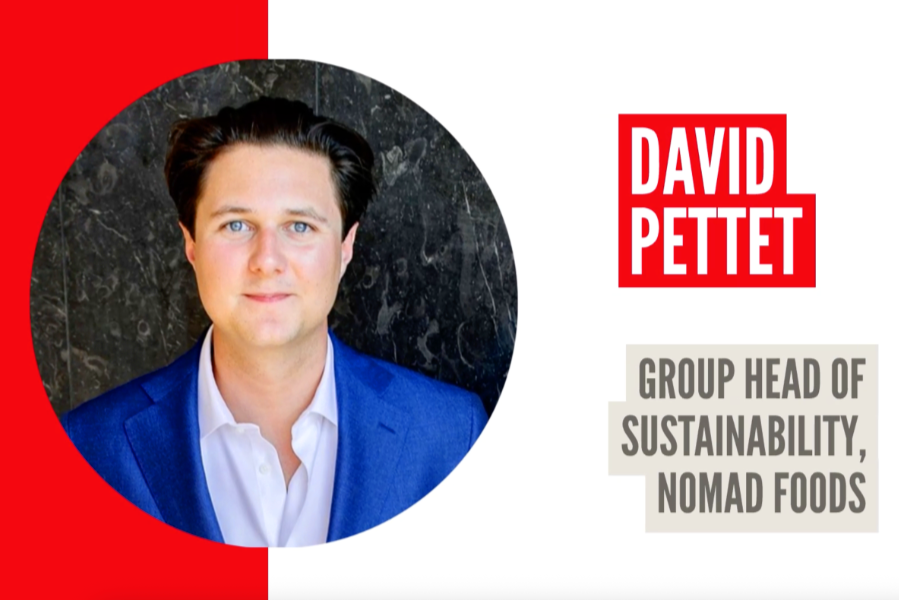
David Pettet is Group Head of Sustainability at Nomad Foods, a role he has held since April 2023. He leads the company’s sustainability strategy, Appetite for a Better World, covering sourcing, operations, and nutrition, which includes areas such as animal welfare, human rights, carbon, water, waste, and packaging.
How has Nomad Foods moved from ‘ambition to action’ in terms of turning sustainability into a core value driver – in other words, how have you made sustainability ‘good for business’?
It’s about driving business value. If you look at our sourcing targets for sustainably-sourced fish and vegetables, they deliver value in terms of building resilience and strengthening the brand narrative. For fish products, the MSC label and the fact that the fish is sustainably sourced play heavily into our marketing and consumer activation in supermarkets. The same applies to vegetables. These targets deliver resilience and differentiation that contribute to the top line.
When it comes to carbon, there are also tangible business benefits. Reductions in Scope 1 and 2 emissions, particularly in an era of high energy bills, are delivering clear cost savings for the business. Scope 3 is less tangible at the moment, but it’s about reducing our future exposure to carbon pricing risk.
What role can (and should) leadership play in ensuring sustainability commitments actually deliver results, rather than remaining aspirational? And how can you ensure buy-in from all stakeholders?
I think it’s a journey. C-suite leaders certainly have an unenviable task: balancing the delivery of short-term, traditional returns that shareholders expect while also keeping an eye on the medium to long term – particularly given the volatile external landscape we’re operating in, where sustainability and climate risk are part of that picture. It’s about ensuring the organisation has the right level of focus to deliver both, without over-indexing on one or the other.
If you over-index on medium- to long-term sustainability challenges, you may fail to deliver the bottom line. But the reverse is also true. That balance is difficult and requires bold leadership and clear vision.
In practical terms, senior leaders have a responsibility to ensure that sustainability is, first, integrated into strategic decision-making; second, given a fair hearing, particularly in current conditions; and third, approached pragmatically – recognising that many sustainability challenges and solutions are still emerging and don’t always have clear or immediate payback.
Learn more about Nomad Foods’ Appetite for a Better World sustainability strategy at www.nomadfoods.com/appetite-for-a-better-world.