Ambition Into Action – Lisa Morden, Chief Sustainability Officer, Kimberly-Clark
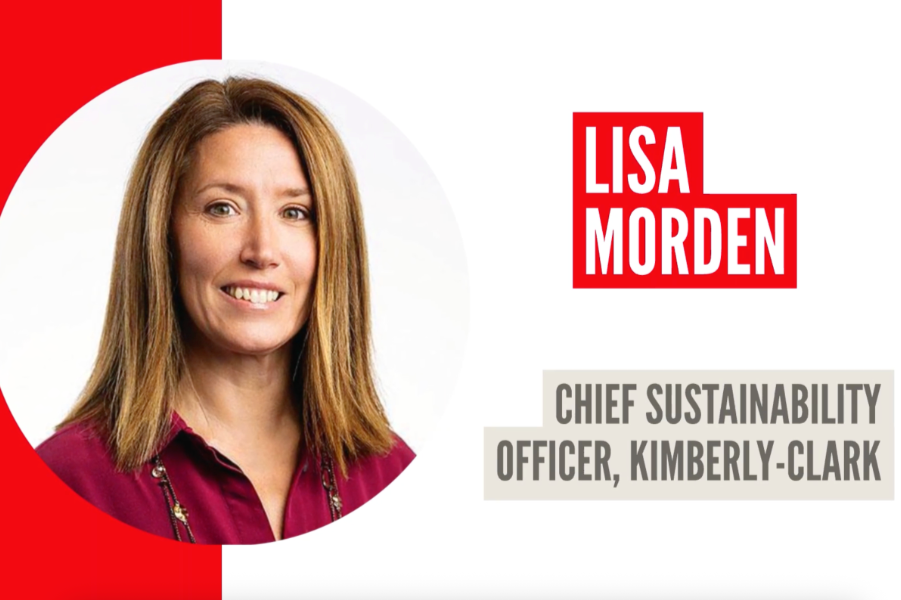
SustainabilityOnline recently published its inaugural 'Ambition Into Action' report, featuring interviews with senior leaders about how they are turning #sustainability vision into business reality. Here’s our interview with Lisa Morden, Chief Sustainability Officer, Kimberly-Clark.

SustainabilityOnline recently published its inaugural ‘Ambition Into Action’ report, featuring interviews with senior leaders about how they are turning sustainability vision into business reality at the mid-point of the decade.

Lisa Morden leads the sustainability strategy at Kimberly-Clark, home to brands such as Huggies, Kleenex, Scott, and Kotex. She has spent more than 25 years at the business, holding senior leadership roles in operations, environmental health and safety, sustainability, supply chain, and marketing. In her current role, which she has held since July 2024, she is responsible for embedding sustainability into business strategy and decision-making, as well as building trusted, multi-stakeholder partnerships with NGOs such as WWF, Greenpeace, and FSC.

How has Kimberly-Clark moved from ‘ambition to action’ in terms of turning sustainability into a core value driver – in other words, how have you made sustainability ‘good for business’?
 
At Kimberly-Clark, our journey from ambition to action has been anchored in making sustainability a strategic lever for value creation, not just a compliance exercise. We’ve sharpened our focus on fewer, business-critical initiatives that directly drive growth, productivity, and risk management.

For example, our investments in energy efficiency, renewable energy, and circularity have delivered tangible results that have strengthened our operations. Additionally, we’ve embedded sustainability into our operating system by leveraging technology and data analytics.

Dashboards empower our teams to optimise resource use and make better decisions, transforming sustainability from a reporting metric into a driver of continuous improvement and innovation. Our approach aligns environmental goals with business logic: reducing Scope 1 & 2 emissions is not just about climate—it’s an energy efficiency play that saves costs and builds resilience. Circularity and plastics reduction mitigate regulatory and reputational risks while opening new market opportunities.

By translating sustainability into business speak and vice versa, we’ve ensured that our objectives are operationally relevant and measurable, driving both top-line growth and bottom-line savings.
 
We’re now at the mid point of the decade. What do you see as the single biggest barrier for businesses in moving from ambition to measurable action – and how can it be overcome?
 
Moving beyond broad ambitions to operational execution – specifically, the challenge of integrating sustainability into core business processes and decision-making. Many organisations struggle with fragmented efforts, lack of data clarity, and competing priorities.

To overcome this, businesses must focus on topics that are material to their operations and stakeholders. Additionally, leveraging technology – such as AI, predictive analytics, and automated data management – can free up resources and accelerate progress. Cross-functional leadership is essential: sustainability must be translated into business logic, with clear accountability and shared value creation across teams. When there is a shared understanding of this, then measurable action can be achieved.

Sustainability is a driver of growth, innovation, and competitive advantage. By aligning our goals with business outcomes, like eco-efficiency, supply chain resilience, and brand trust, we’re delivering tangible results for both the company and society.
 
What role can (and should) leadership play in ensuring sustainability commitments actually deliver results, rather than remaining aspirational? And how can you ensure buy-in from all stakeholders?
 
Leadership certainly sets the tone by making sustainability a core part of the business strategy and culture. As mentioned, this means moving beyond aspirational commitments to operational accountability: translating goals into actionable plans, measurable targets, and clear ownership.

At Kimberly-Clark, we’ve seen that intersectional leadership – leaders who are fluent in both sustainability and business – are key to driving results.

To ensure buy-in, leaders must communicate the business imperative for sustainability, aligning it with value creation for all stakeholders: customers, employees, investors, and communities. Providing fact-based narratives and demonstrating tangible outcomes builds trust and credibility. This shared accountability, where sustainability is everyone’s responsibility, not just a standalone function, creates bigger impact and fosters a culture of innovation and resilience.

Stakeholder engagement is also critical. Transparent partnerships, collaborative problem-solving, and regular reporting on progress help maintain momentum and ensure that sustainability commitments deliver real, measurable results.

Learn more about Kimberly-Clark’s sustainability journey at www.kimberly-clark.com/en-us/sustainability

Discover more from Sustainability Online

Subscribe now to keep reading and get access to the full archive.

Continue reading