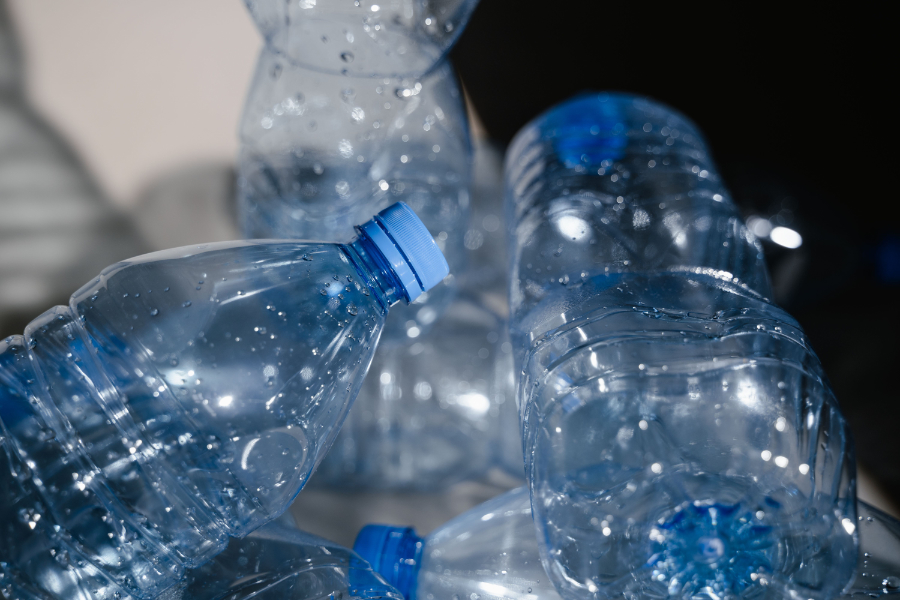
An Edinburgh startup, E.V.A Biosystems, recently unveiled a new, biodegradable plastic that breaks down in the ocean, resulting in no microplastics or harm to the environment.
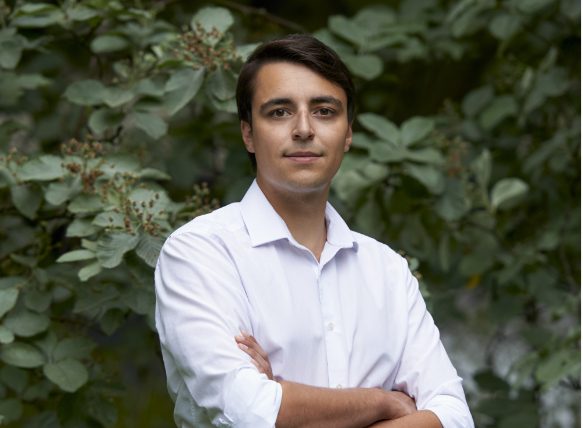
The award-winning innovation is also more eco-friendly than other biodegradable solutions, and has the potential to revolutionise how we think about packaging waste, according to E.V.A Biosystems’ founder and CEO, Dr Alexander Speakman.
“We are quite distinctly different from biodegradable plastics, as we aim to produce an additive to conventional plastics that are not classically biodegradable but are abundant and low cost,” he tells SustainabilityOnline.net.
“Biodegradable plastic alternatives are fantastic but they are currently not cost comparable to petrochemical plastics and cannot be sourced in quantities anywhere near enough to meet the market demand for plastic. Our technology aims to mitigate the environmental impact of the non-biodegradable plastics that are being used right now, and by enabling selective-degradation retain the benefits that make plastic so useful by only degrading after a product is no longer needed.”
E.V.A Biosystems
E.V.A Biosystems was formed by Speakman while he was completing his PhD in Bioengineering at the University of Edinburgh – as an additional project linked to his core focus area.
“My PhD project was focused on producing electrically-controllable DNA nanoswitches so I had a strong background in biological work and genetic control, and I also do a lot of 3D printing both in the lab and as a hobby,” he says. “I saw a way of integrating synthetic biology into additive manufacturing, and with early support from Edinburgh Innovations I was able to test my ideas, gather data, and get things off the ground.”
The role of bacteria
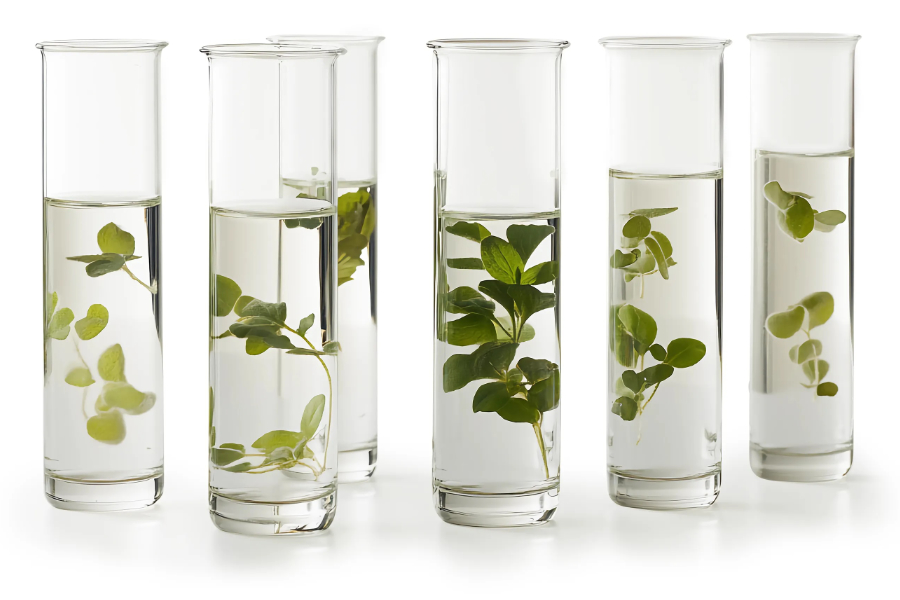
The ‘smart’ plastic works through the addition of special bacteria that is added to conventional plastics, which, once it detects its presence in seawater, starts to break down the material.
“Bacteria are naturally fantastic at responding to their environments, they need to be in order to survive,” says Speakman. “We’ve been able to use both existing bacterial salt-sensing mechanisms and design new synthetic biological parts in order to detect a seawater-equivalent concentration of salt and produce degradation enzymes in response.
“The enzymes are essential to breaking down plastics in this manner. Plastics don’t just disappear as they degrade, there are many intermediate steps as they break down. Including bacteria that can produce an enzyme for each step in the chain is our plan for making plastics that can fully degrade.”
The solution has the potential to scale quickly, he adds.
“Industrial biotechnology is a particularly fast-growing field with a huge emphasis on scale-up, with facilities able to culture thousands of litres of bacteria in huge bioreactors. As a company we are perfectly placed and timed to use this to our advantage and scale quickly.”
The ‘smart’ plastic is likely to cost more than conventional plastics, given the additional bacteria that needs to be added, however E.V.A Biosystems’ goal is to be “more cost-competitive than biodegradable plastic alternatives as well as more scalable, in order to remain attractive to manufacturers while still improving end-of-life outcomes for their products,” Speakman adds.
Multiple applications
The solution has the potential to be applied to many different types of plastic – the bacteria can be equipped with the right enzymes to match the plastic that they are included in – and E.V.A Biosystems has turned its attention in particular to construction plastics, “as there is a huge amount of plastic used in building services that you may not want to be degradable until it is definitely no longer needed”.
As to ensuring that ‘smart’ plastic achieves widespread adoption, Speakman adds that there are still some technical challenges to overcome.
“While we are getting exciting results, we at an are early stage and still working on R&D trying to optimise our degradation and incorporate biosafety features,” he says. “Since we work with both degrading plastic and biological material there is naturally going to be a considerable amount of regulatory work to ensure that our product is safe before use and can achieve what we set out to do.
“Our challenges all entail further development, which requires both further funding and opportunities to test our tech. Our plan is to seek investment to accelerate our lab work and find partner organisations keen to get involved with pilot studies and shape our products to real-world applications.”
Beyond ocean environments
The technology is highly customisable, and has the potential to work beyond ocean environments – for example, in landfills or other waste management systems – given that “salt is far from the only thing bacteria can be made to respond to”, says Speakman.
“There is a huge amount of scope for changing which plastic products can degrade where, so watch this space!” he adds.
Find out more about E.V.A. Biosystems here. Article by Stephen Wynne-Jones.