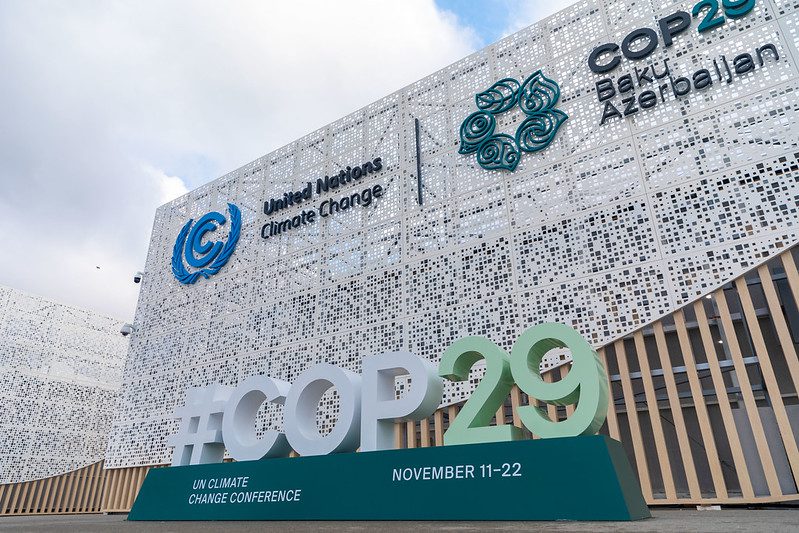
The COP29 presidency has partnered with the International Energy Agency (IEA) to outline a series of next steps on the implementation of the Global Stocktake, which was instigated at COP28 last year.
The Global Stocktake (GST) is intended to inform the next round of nationally determined contributions (NDCs), or climate action plans under the Paris Agreement, with the next set of NDCs set to be delivered in 2025.
‘COP28 marked a milestone achievement when Parties agreed on an outline for how the global energy sector can reach net-zero emissions by 2050,’ the IEA said in a statement, ‘committing to ambitious targets including, inter alia, transition away from fossil fuels, triple renewable energy capacity by 2030, double energy efficiency improvements, and accelerate the deployment of low-emission technologies such as renewables, nuclear, abatement and removal technologies.’
With that in mind, COP29 and the IEA have shared five ways in which this year’s conference in Baku can demonstrate positive progress. They are:
1 – Scaling Up Energy Storage and Grid Expansion
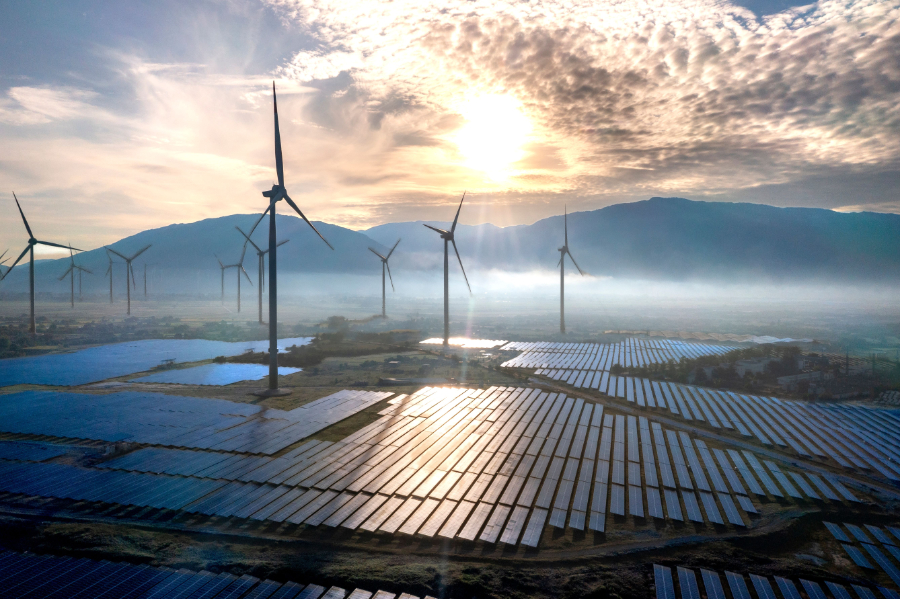
In order to triple global renewable energy capacity by 2030, expanding energy storage and grid infrastructure is essential. This target requires a 15-fold increase in global energy storage to 1,500 GW, including 1,200 GW in battery storage, as well as 25 million kilometres of new or upgraded electricity grids by 2030 (and 65 million kilometres by 2040).
The Global Energy Storage and Grids Pledge at COP29 will be a step towards supporting the 1.5°C pathway, as delays will drive up emissions and electricity costs.
2 – Accelerating Energy Efficiency Progress
Countries around the world are currently falling short of its goal to double energy efficiency improvements by 2030. Achieving the COP28 targets requires an integrated approach that includes electrification, higher standards, and worker training.
Energy efficiency could contribute a third of needed emissions reductions by 2030, reduce consumer energy costs, and accelerate the phase-out of fossil fuels, making it vital for transitioning toward a green energy landscape.
3 – Reducing Methane and Fossil Fuel Emissions
Policies to curb methane emissions and phase out fossil fuel subsidies are an imperative. Known, cost-effective methods can significantly reduce methane emissions, building on initiatives like the Global Methane Pledge.
Responsible decommissioning of fossil fuel assets and clear transition policies will help align with clean energy goals, especially in an unpredictable global energy landscape.
4 – Boosting Clean Energy Investment in Developing Economies
Achieving equitable energy transitions calls for a tripling of concessional funding to $115 billion per year by 2030 and reducing the cost of capital to mobilise private investment. The G20 Roadmap has called for urgent reforms in international financial institutions and support for scalable, bankable clean energy projects.
Providing affordable finance and infrastructure support will help ensure developing economies can transition without being left behind.
5 – Aligning NDCs with GST Outcomes
Future NDCs need to reflect the GST’s call for deep emissions reductions to keep the 1.5°C goal within reach. The GST highlights the need for a 43% reduction in emissions by 2030 and 60% by 2035 (relative to 2019 levels), with net-zero emissions by 2050.
Integrating these targets into national development strategies is essential to mobilise investment, foster support, and achieve a resilient climate pathway, the IEA noted.
‘We encourage countries, business leaders, civil society, financial institutions and international organisations to support these opportunities to make progress on a just and equitable energy transition for all at COP29,’ the COP29 presidency said in a statement. Read more here and here. [Photo: UN Climate Change]