Around two thirds of mining and metals facilities worldwide at risk of water stress
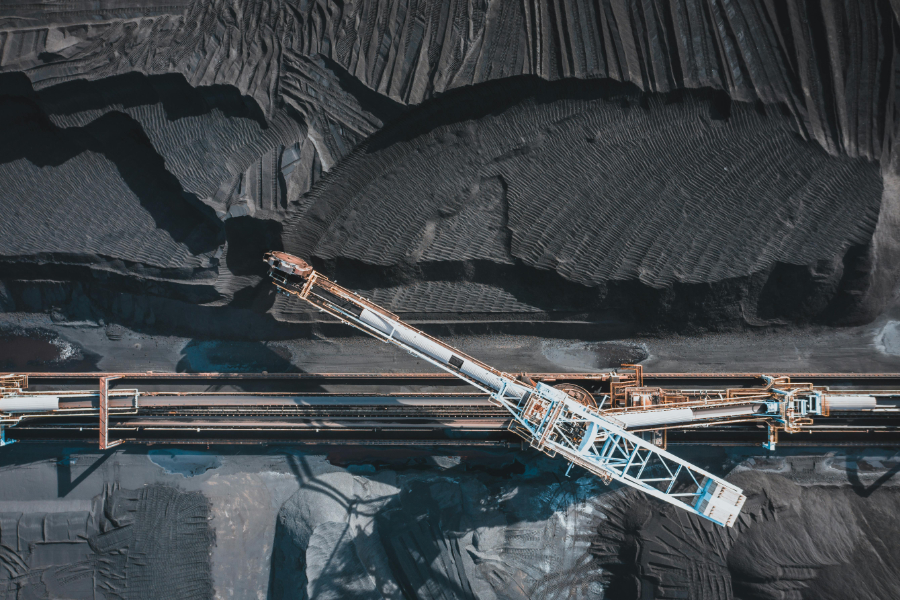
As many as two thirds of the mining and metals facilities worldwide are located in areas facing 'significant' physical water risk, according to a new report by the International Council on Mining and Metals (ICMM).

As many as two thirds of mining and metals facilities worldwide are located in areas facing ‘significant’ physical water risk, according to a new report by the International Council on Mining and Metals (ICMM).

According to the ICMM’s Global Mining and Metals Water Dataset and report, competition for resources is the ‘greatest physical water risk’ facing the mining and metals industry, with water stress, depletion, drought, flooding and unpredictable annual water supplies all playing a role.

Water risk

As the report found, some 65.7% of mining and metals facilities worldwide are exposed to at least one major physical water risk, while 38.2% are situated in river catchments experiencing high or extremely high baseline water stress or in arid regions where water is functionally unavailable.

Over a quarter (27.4%) of facilities are exposed to ‘high’ or ‘extremely high’ baseline water depletion, while a similar percentage (27%) are exposed to high drought risk.

Elsewhere, 14% of facilities are exposed to high or very high flood risk, 16.2% of facilities are exposed to high or extremely high interannual variability in water supply, and 4.9% of facilities are exposed to high risk across three or more physical water risk indicators at the same time.

‘A material issue’

“Our research shows that water is already a material issue for the mining and metals sector,” Emma Gagen, ICMM’s director of data and research.

“If water risk exposure is not better understood and managed across the wider economy, we risk sleepwalking into a major constraint on the energy transition. This is why leading mining companies including ICMM members have embedded water stewardship principles and practices, to manage water in ways that are socially equitable, environmentally sustainable and economically beneficial.”

The study also found considerable regional variation – in Chile, for example, which is the world’s largest copper producer and a major source of lithium, 85.8% of mining facilities face both high water stress and significant year-to-year variability in water supply. Across Africa and the Middle East, more than four fifths of facilities are exposed to high drought risk, while around three quarters (74%) of operations in Oceania experience high levels of annual variability in water availability.

“Until now, there has been no comprehensive, cross-commodity global assessment of how the mining and metals sector is exposed to water risk,” Gagen added. “By developing credible and accessible data, ICMM aims to support more informed decision-making by policymakers and investors on water risk exposure, helping to manage the demand created by the energy transition.” Read more here.

Discover more from Sustainability Online

Subscribe now to keep reading and get access to the full archive.

Continue reading