Sales of battery-electric cars priced below €25,000 are expected to increase sevenfold in Europe in 2026, compared to 2024, according to new analysis from Transport & Environment (T&E).
As the group noted, European consumers are gaining access to a ‘rapidly expanding range of more affordable electric cars’, with the number of models priced below €25,000 doubling in size, as EU car CO2 regulation brings more affordable vehicles to the market.
According to T&E, 1.64 million battery-electric vehicles were sold in the EU between January and August 2026, 45% more than during the same period in 2025.
Close to 40 new electric car models were launched in the first half of this year, the group noted, taking the number of mass-market BEVs to more than 150.
In addition, some 60 new models are expected to be released by the end of 2026, which is around four times more than the average 15 new models per year over the period 2021-2025.
Affordable EVs
“European drivers are finally seeing more of the smaller and more affordable electric cars they have been waiting for,” commented Lucien Mathieu, cars director at T&E. “The oil crisis has further fuelled the rush by European consumers for affordable small electric cars.
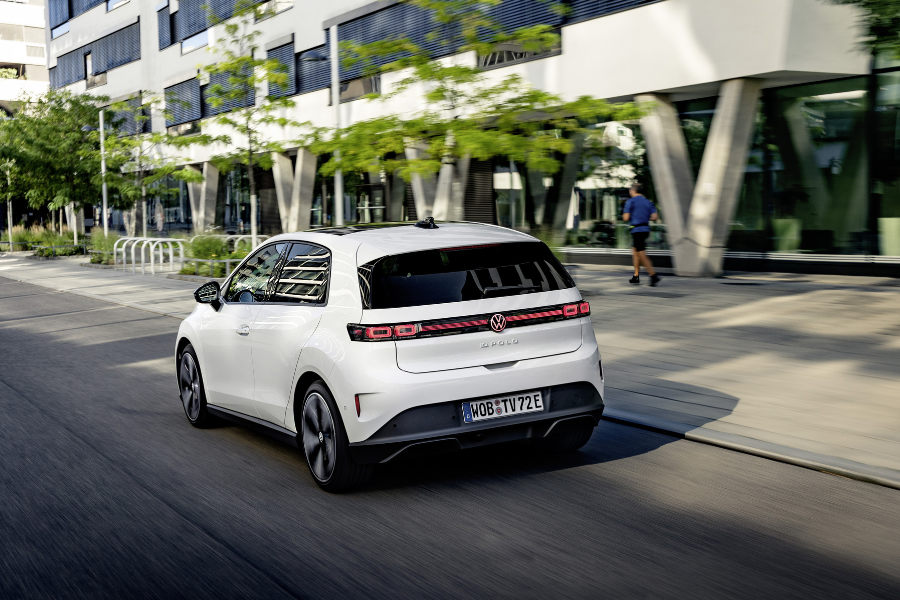
“VW’s ID. Polo [pictured] was quickly sold out, with over 40,000 orders and a 10-month waitlist. European car makers were complaining about the lack of demand for a long time. Now we can clearly see: The issue was not the demand, but what they had to offer. The consumer’s appetite for small affordable electric cars proves the car makers’ claims wrong.”

Fuel costs
T&E estimated that the oil price shock has cost road users a collective €53 billion, adding that as of mid-September, filling a 50-litre tank of diesel costs €30 more than before the Iran war. Switching to an electric car at the start of the crisis would have reduced motorists’ running costs by around €350 by mid-September, it added.
T&E added that weakening the the 2030-35 CO2 targets would potentially halt the ramping up of small, affordable EVs, and compromise Europe’s ability to compete against international markets, with China currently dominating EV production.
“The EU’s car targets are expanding consumer choice, bringing down the cost of going electric and giving European manufacturers a chance to compete in the global EV race,” Mathieu added.
“Weakening the 2030 target now would choke off affordable models by nearly three-quarters just as they are reaching the market and lock millions across Europe into debilitating oil dependency.” Read more here.