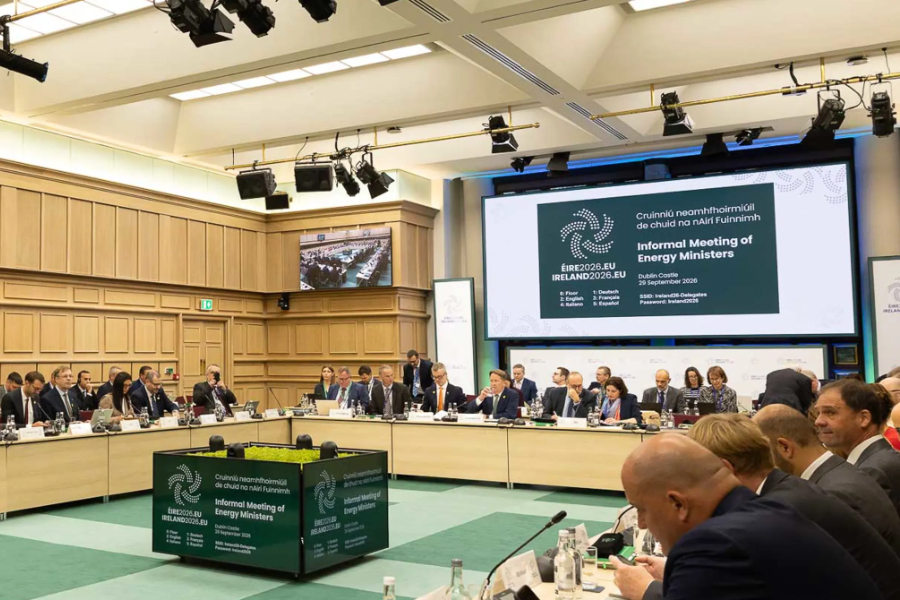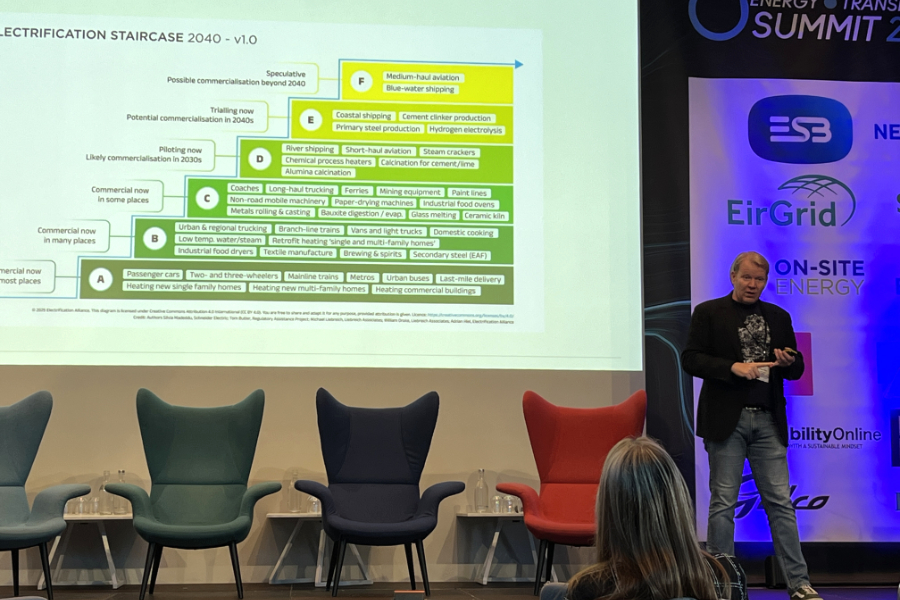
Europe should prioritise the electrification of road transport, buildings and low-temperature industrial processes before moving towards more complex applications, Adrian Hiel, director of the Electrification Alliance, has told the Business Post NextGen Energy Transport Water Summit 2026 in Dublin.
Presenting the alliance’s ‘Electrification Staircase’, Hiel said the framework was intended to provide businesses and policymakers with a method of identifying where electrification is commercially viable and where investment, research and infrastructure development should be prioritised.
“It’s about getting these technologies out as quickly as possible, identifying what the bottlenecks are – and there are a lot of bottlenecks,” he explained. “I don’t want to pretend that this stuff is just going to happen automatically: it’s definitely not. There are bottlenecks in every sector that need to be tackled by policy and by businesses.”
He described the “bottom three rows” of the staircase as technologies that are mostly commercially viable today, including road transport, buildings and low-temperature industrial processes. As he noted, around 69% of Europe’s energy demand is in areas where electrification can – and should – be pursued.
“If you’re a business or a government that plays in those first three rows, then you can focus on deployment,” he added.
Further up the staircase, he said, the focus should increasingly move towards planning, research and innovation, with applications such as aviation remaining “more speculative”.
“What role will electrification have in aviation? I’m quite optimistic, especially here in Ireland. As an island, you have a lot of short flights from Ireland to all over the UK and onto the continent, where you’re only talking a few hundred kilometres. Given ten years, there could be a lot of small electric planes going back and forth, constantly.
“It’s not a prediction, but it’s definitely within the realm of possibility.”
Commercial viability
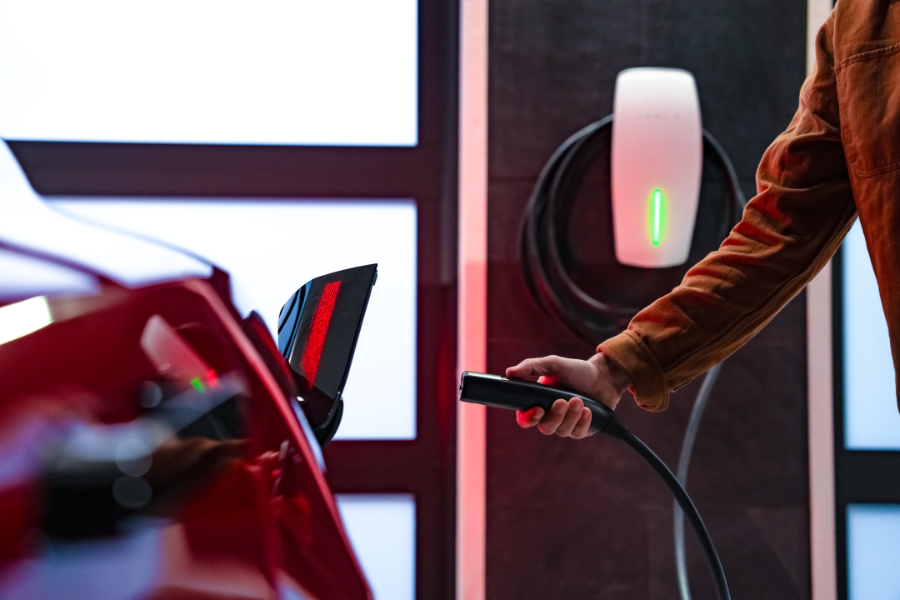
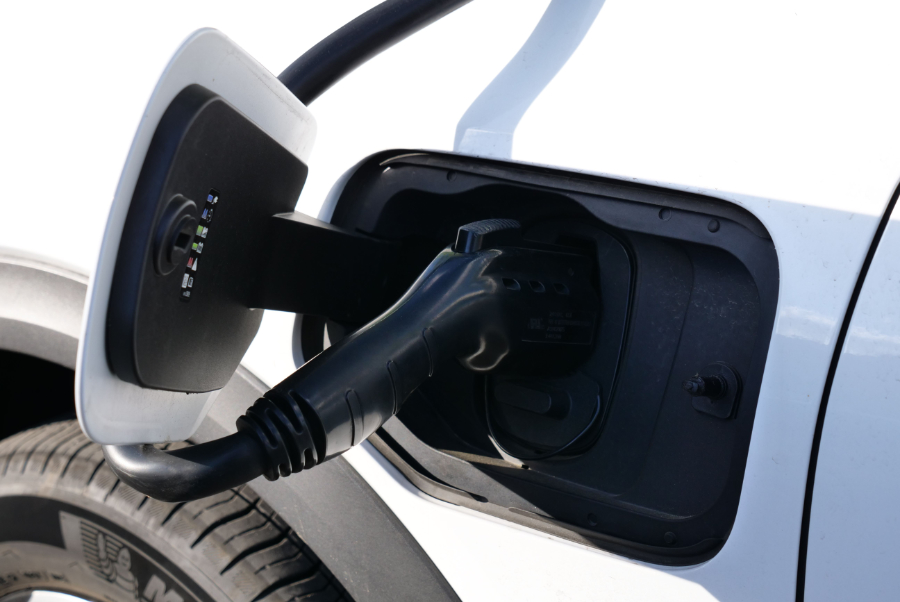
He added the immediate priority should be deployment of technologies that are already commercially viable, such as electric vehicles.
“We’re at a point now where EVs accounted for over 30% of vehicles sold in Europe in August, which is a phenomenal number,” he explained. “But when I hear that number, I think,’ jeez, that’s 70% of car buyers that are locking themselves into a more polluting, more expensive form of transportation’.”
Hiel argued that energy security and fossil fuel dependence are now providing a stronger driver for electrification than climate policy alone. He cited Europe’s exposure to imported fossil fuels and recent energy shocks as reasons for reducing dependence on external energy supplies.
“It’s gotten to the point where it’s not about policy,” he explained. “Policy needs to get bottlenecks out of the way so the transition can happen as quickly as possible. That’s true all around the world.”
Reduction in electricity prices
Elsewhere, Hiel cited analysis by E-Mobility Europe, the European Heat Pump Association and Smart Energy which examined flexible use of existing electric vehicles and heat pumps in Germany. He said smart charging of EVs could reduce peak hourly electricity prices by 7.5%, while flexible heat-pump use could reduce them by 13.5%.
Combined, he said, the analysis indicated a potential 21% reduction in peak electricity prices.
In closing, he argued that making flexibility easy for consumers is critical.
“We need to make sure in every market that people can do this really, really easily,” he said. “Ease of use is fundamental.”
SustainabilityOnline had the chance to chat to Hiel after his presentation – keep an eye out for our interview in the coming weeks. More information on the Electrification Alliance can be found here.