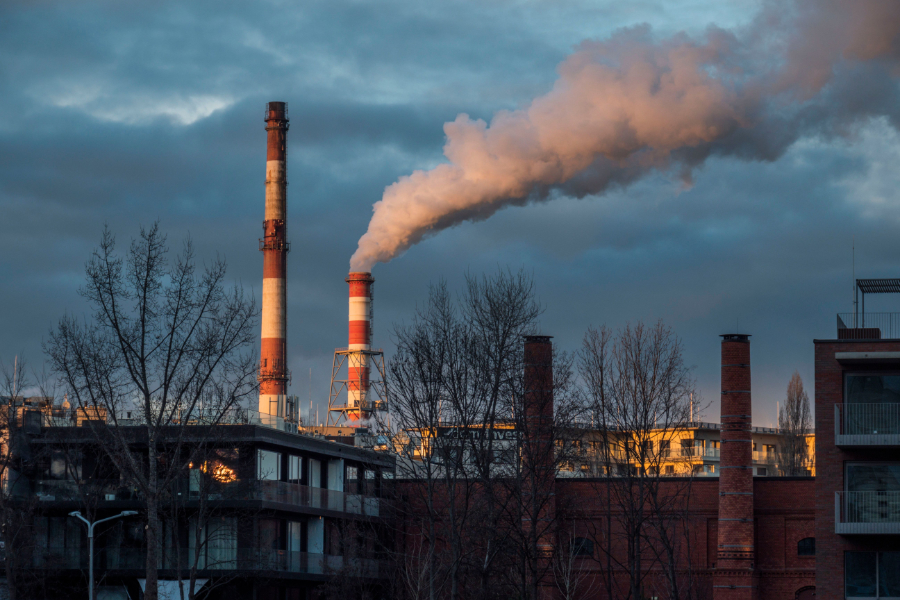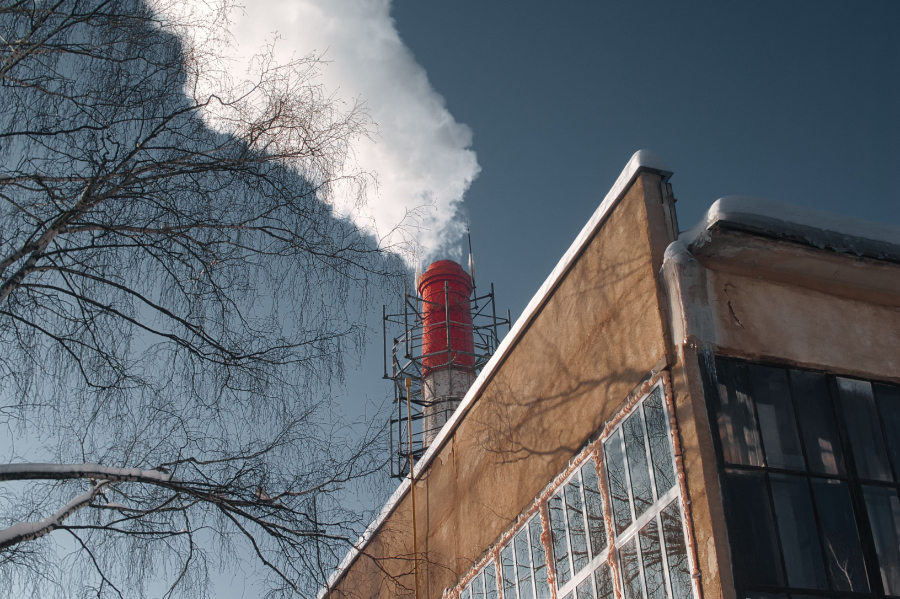
Historical carbon emissions from major oil, gas and coal producers, along with cement producers, could continue to contribute to global warming for centuries, according to a a new study published in PLOS Climate.
The study, entitled Centuries of global heating from Carbon Majors: Dependence on future emissions pathways, used a variety of simulations to assess how emissions would affect long-term global temperatures under different possible future emissions scenarios.
It utilised the Carbon Majors dataset covering the period from 1854 to 2024, a database with the emissions history associated with the top 178 oil, gas, coal, and cement producers.
‘For any future emissions scenario, the historical emissions from oil, gas, coal, and cement producers affect many aspects of the climate system, including CO2 in the atmosphere and other parts of the carbon cycle, methane, ozone, and stratospheric water vapour,’ the researchers noted.
‘Thus in addition to the damages that have already occurred, we expect the Carbon Majors to be responsible for calculable climate damages for many centuries into the future.’
Future simulations
According to the researchers, simulations running to the year 2500 indicated that past emissions will continue to affect the climate in different ways.
The study found that the atmospheric CO₂ contribution from historical emissions is likely to be smaller under lower future emissions scenarios, but the associated temperature increase will be greater because of the relationship between CO₂ concentration and radiative forcing. The total radiative forcing from historical emissions remains positive throughout the simulations, producing continued temperature effects.
The researchers concluded that, alongside climate damages that have already occurred, historical emissions from these producers are expected to contribute to calculable climate impacts for centuries.
‘As the burning of fossil fuels continues and climate disasters become more severe, we can only expect more attention on attribution and accountability research,’ they added.
Read the full study, Centuries of global heating from Carbon Majors: Dependence on future emissions pathways, here.