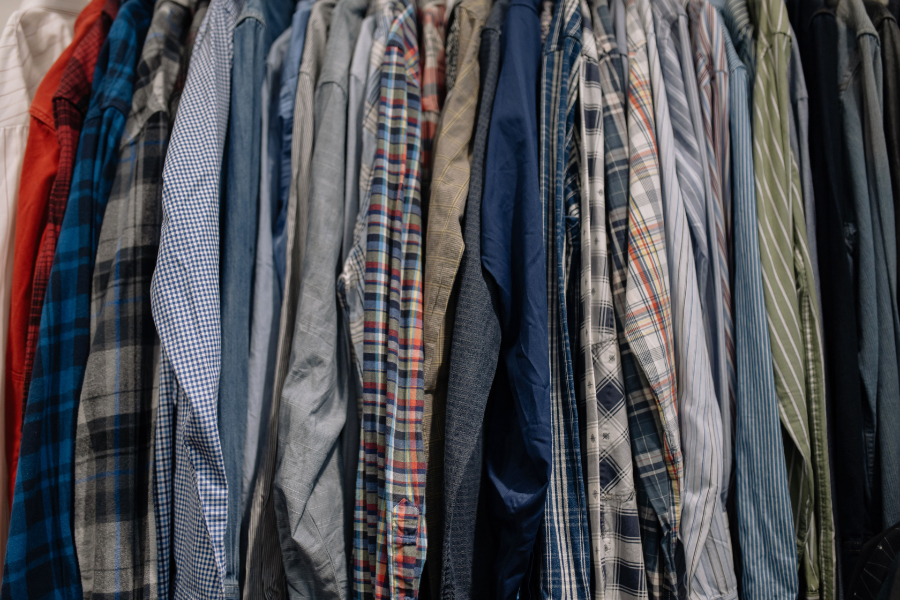
A ban on the destruction of unsold clothing, footwear and accessories by large companies has come into effect across the European Union, with medium-sized firms set to be subject to the same rules from 2030.
The measure, introduced under the Ecodesign for Sustainable Products Regulation (ESPR), will require large firms to prioritise reuse, resale and repair over disposal as part of the bloc’s transition to a more circular economy.
‘Keeping products in use’
‘Under the new rules, businesses must prioritise keeping products in use by selling them (including through discounts or alternative markets), donating them to charities or social enterprises, or preparing them for reuse (repairing, refurbishing or remanufacturing),’ the European Commission said in a statement.
‘Destruction will be allowed only under specified circumstances and must be carried out in accordance with the waste treatment hierarchy, giving priority to recycling.’
National authorities across the European Union will be responsible for checking compliance with the new law, and will have the power to impose penalties for non-compliance. Businesses must retain records for five years to facilitate inspections, while reporting requirements have been designed to use existing customs and logistics codes to minimise additional administrative burdens.
Textile destruction
According to the European Environment Agency, between 4% and 9% of textile products placed on the European market are destroyed before they are ever used, equivalent to between 264,000 and 594,000 tonnes of textiles each year.
The ban forms part of the wider Ecodesign for Sustainable Products Regulation, which entered into force in 2024.
‘The ban on destroying unsold textiles is one of the first concrete measures under the ESPR,’ the Commission added. ‘Textiles are the first product group subject to this ban due to the negative environmental impacts of current business models, which often lead to the destruction of unsold goods.’ Read more here.