Chinese EV sales in Europe are down, but not out
Electric vehicles built in China accounted for 17% of the EU battery electric vehicle (BEV) market in the first quarter of this year, down from a peak of 22% in 2024, an indication that trade measures to protect European automotive manufacturers is having an effect, Transport & Environment (T&E) has said.

Electric vehicles built in China accounted for 17% of the EU battery electric vehicle (BEV) market in the first quarter of this year, down from a peak of 22% in 2024, an indication that trade measures to protect European automotive manufacturers is having an effect, Transport & Environment (T&E) has said.

However, imports of Chinese-made EV batteries, which ‘face virtually no tariffs’, have increased sevenfold, it added.

The decline in Chinese-made EV sales has been driven in part by Western manufacturers such as Tesla, BMW and Volvo relocating production to Europe, as a result of measures aimed at preventing Europe from being a ‘dumping ground’ for Chinese EVs, T&E noted.

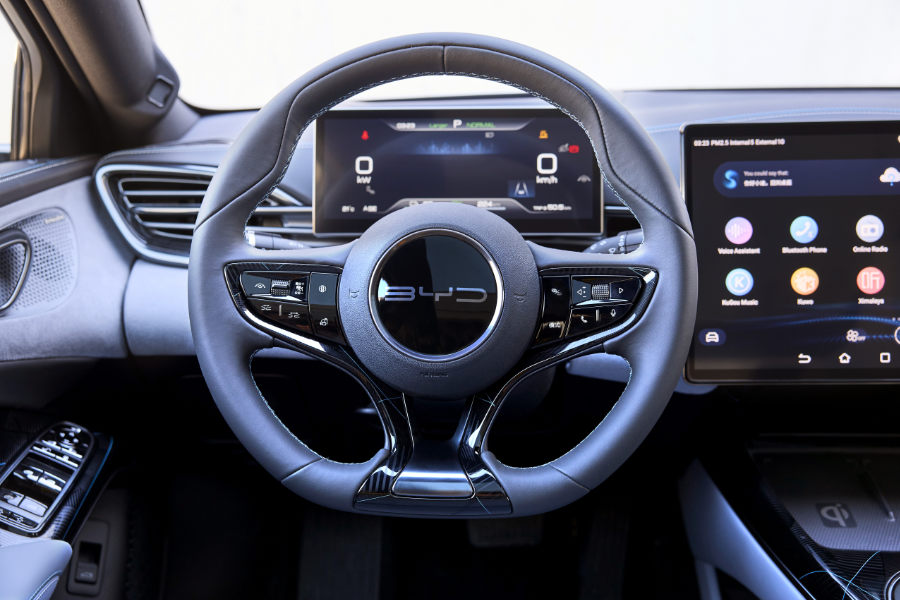
However these measures have had varying effects depending on the manufacturer. SAIC, which faces a 35% import tariff, almost halved its BEV exports to Europe between 2023 and 2025. However, BYD, which is subject to a 17% tariff, more than doubled its BEV imports into the EU.

Cheaper vehicles

Even with the introduction of tariffs, Chinese EVs still remain around a fifth (21%) cheaper than those from European manufacturers.

Chinese automotive firms are also onshoring more EV production to Europe in response to the tariffs, with ten planned production facilities announced since the European Commission launched its anti-subsidy investigation in 2023.

On Chinese battery imports, meanwhile, T&E noted that European manufacturers account for less than a quarter of the batteries produced in the EU, meaning the sector faces an ‘uncertain’ future. As it suggests, introducing a 20% tariff on Chinese batteries would increase the average price of an EU-built electric vehicle by 2.8%.

EV competitiveness

“The EU tariffs worked up to a point,” commented Lucien Mathieu, cars director at T&E. “Western carmakers moved production to Europe and Chinese manufacturers started to onshore. But European companies’ competitiveness in EV and battery technology is still at stake.

“The car CO2 standards are the key to building the market for EVs in Europe, but if the EU wants to build a strong domestic battery supply chain, a combination of incentives and protection will be needed.” Read more here.

Discover more from Sustainability Online

Subscribe now to keep reading and get access to the full archive.

Continue reading