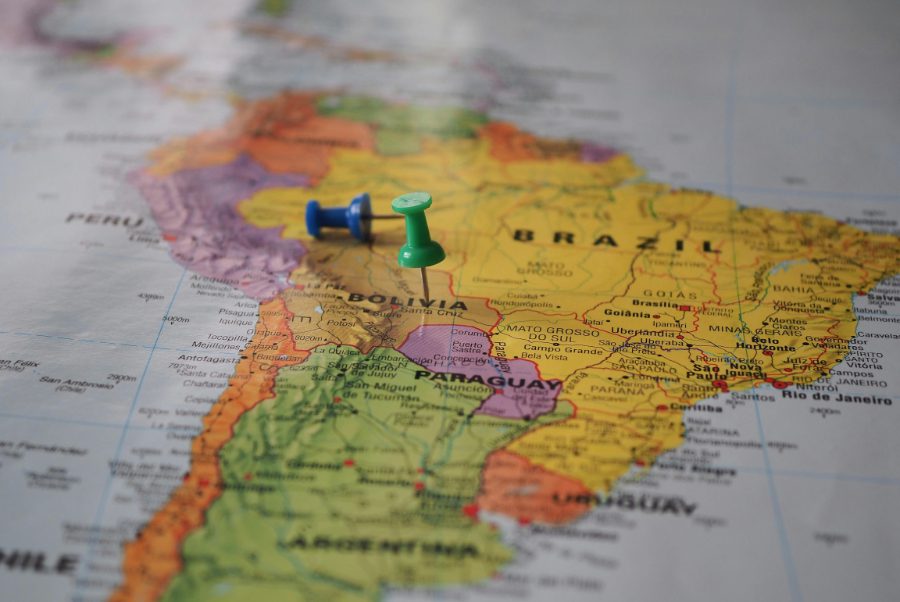
Three out of every four countries in Latin America and the Caribbean are experiencing an impact on food security as a result of climate change, a new joint report by FAO, IFAD, PAHO/WHO, WFP and UNICEF has found.
The 2024 Regional Overview of Food Security and Nutrition report explores how climate variability is worsening hunger and malnutrition in several regions, especially among vulnerable populations.
At least 20 countries – 74% of the total number analysed – experience frequent extreme weather events, while more than half (52%) are considered vulnerable due to their high likelihood of increased undernourishment, according to the report. Undernourishment in climate-affected countries rose by 1.5 percentage points between 2019 and 2023, it added.
Structural challenges
‘The impact of extreme weather events is further worsened by persistent structural challenges, including conflicts, economic slowdowns, crises, and underlying factors such as high levels of inequality, lack of access to affordable healthy diets, and unhealthy food environments,’ the report states.
Some 41 million people faced hunger in Latin America and the Caribbean in 2023, a decreased of 2.9 million from 2022 and 4.3 million from 2021. However, at the same time, the prevalence of hunger has increased over the past two years in the Caribbean, to 17.2%.
Moderate or severe food insecurity has also decreased, affecting 187.6 million people in 2023, 19.7 million fewer than in 2022. According to the report, this progress has largely been driven by economic recovery, social protection programmes, and targeted food policies in several South American nations.
Food security
“Climate variability and extremes are a threat for the stability of food security and nutrition,” commented FAO assistant director-general and regional representative for Latin America and the Caribbean, Mario Lubetkin, citing “the importance of implementing a comprehensive response, based on policies and actions designed to strengthen the capacity of agri-food systems.
“This resilience allows us to anticipate, prevent, absorb, adapt, and transform in a positive, efficient and effective way against various risks, including the challenges associated with climate change and extreme events.”
Malnutrition also remains a major concern in the region, while overweight and obesity rates are rising faster in Latin America and the Caribbean than in the rest of the world, with 8.6% of children under five affected in 2022, compared to 5.6% globally.
“Undernourishment and overweight coexist in the region, exacerbated by high exposure and vulnerability to climate events in the most affected communities,” added Karin Hulshof, UNICEF regional director a.i. for Latin America and the Caribbean. “This double burden of malnutrition daily threatens the full development of children.
“Any decision on climate action must prioritise the right to food and nutrition for children, women, and families.” Read more here.