Op-ed by Matthew Haswell, director of clients at Boss Energy.
The conflict involving Iran and the resulting instability around the Strait of Hormuz have pushed energy security back to the centre of the global policy agenda.
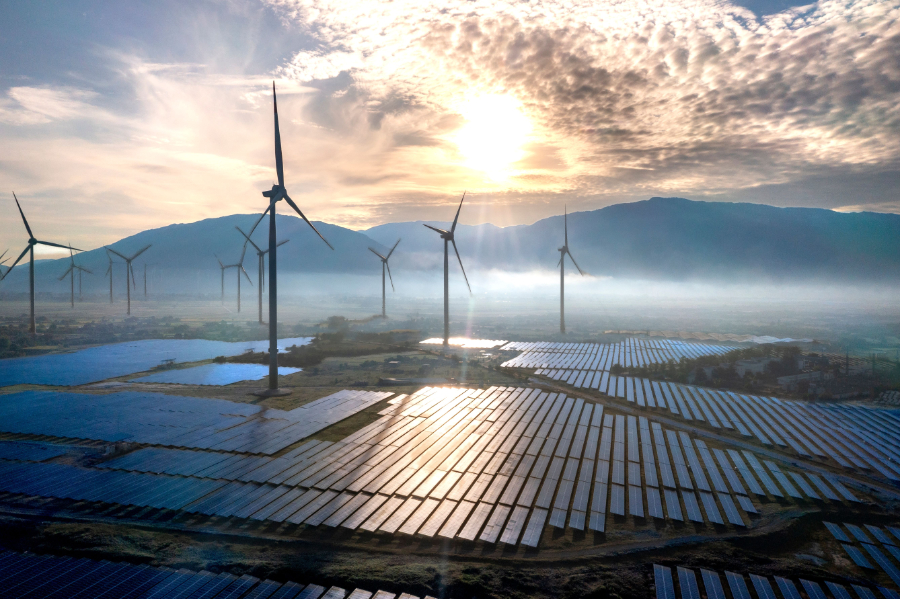
Governments, public institutions, and market analysts increasingly argue that the vulnerability of oil and gas chokepoints demonstrates the urgency of accelerating the transition toward renewable and alternative energy systems.
The core question, however, is whether this geopolitical shock will materially accelerate the transition, or whether it will remain primarily a rhetorical catalyst while structural barriers continue to slow implementation.
In the short term, crises of this kind do tend to strengthen the case for renewable energy because they expose the fragility of fossil-fuel supply chains and raise the relative competitiveness of solar, wind, storage, and electrification.
In the medium and long term, however, the real acceleration is likely to come less from the crisis itself and more from the scale of capital already flowing into smart energy systems, urban electrification, data-centre power infrastructure, and new-city development models that are being designed around low-carbon energy from the outset.
Why the transition may accelerate
There are several mechanisms through which the Iran crisis can accelerate the transition. First, higher fossil-fuel prices improve the economic attractiveness of renewables, especially in markets where solar and wind already compete favourably with new fossil generation on a levelised-cost basis.
Second, supply insecurity pushes governments to diversify energy systems more rapidly through electrification, storage, grid modernisation, and domestic generation capacity. Third, crises tend to compress decision-making timelines, making it politically easier to justify faster permitting, emergency investment packages, and industrial-policy support for energy technologies.
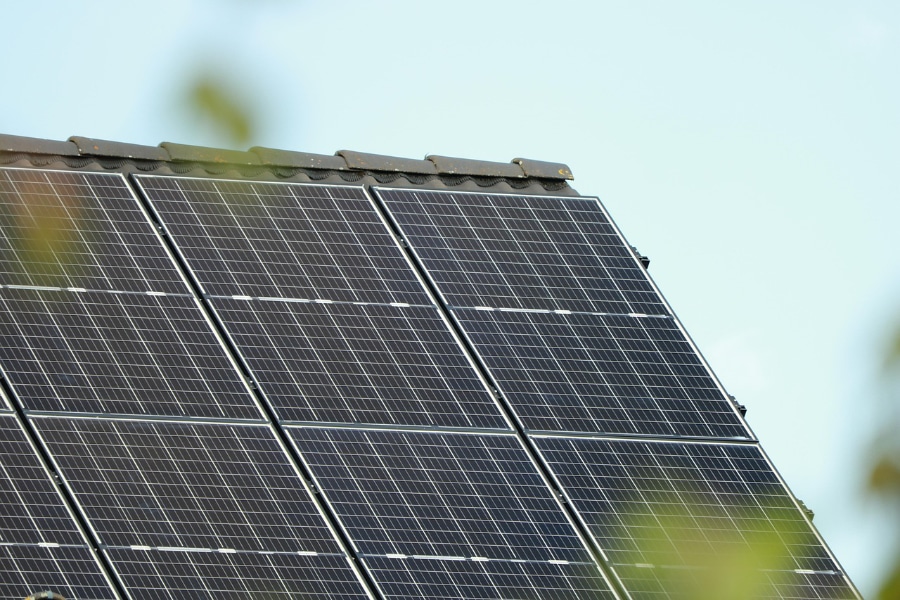
The post-2022 European experience provides a useful precedent. Following the shock triggered by the war in Ukraine in 2022, annual solar deployment in the European Union accelerated significantly, while wind additions also increased in several major markets, including the United Kingdom.
This demonstrates that geopolitical shocks can move the transition forward when governments pair urgency with permitting reform, financing support, and market signals that favour clean energy deployment.
Why the transition may still slow
At the same time, the argument that every fossil-fuel shock automatically accelerates renewables is too simplistic. Periods of geopolitical instability can also strengthen domestic political support for expanded oil and gas production, as governments prioritise affordability, immediate supply, and short-term economic stability over long-horizon decarbonisation.
In some countries, crisis politics can therefore produce a contradictory outcome: more rhetorical support for the transition combined with more spending on legacy fossil infrastructure.
There are also practical bottlenecks. Grid constraints, permitting delays, shortages of critical materials, high capital costs, and slow storage deployment continue to limit the speed at which renewable systems can scale.
This is why the most credible answer is not that the Hormuz crisis alone will force a rapid transition, but rather that it strengthens a broader investment logic that was already in motion before the crisis escalated.
The structural driver – capital is already moving
Beyond the immediate geopolitical moment, major companies are continuing to invest in renewable and alternative energy because financial markets, industrial strategy, and digital infrastructure are increasingly aligned in that direction.
We argue that the push into renewables does not depend solely on the current crisis, because large investment funds and major technology companies are already channeling capital toward low-carbon power systems.
That interpretation is consistent with wider market evidence showing that investors are prioritising clean, secure, and scalable electricity supplies for long-duration growth sectors.
One of the clearest examples is the rise of hyperscale data centers. As AI computing, cloud infrastructure, and digital services expand, data centers are becoming a powerful force in electricity markets and a major driver of investment in low-carbon generation, storage, and flexible grids.
Recent industry reporting indicates that data-center growth could substantially increase electricity demand by 2030, reinforcing the business case for power purchase agreements, decentralised energy systems, solar-plus-storage, and other forms of resilient clean-energy procurement.
Smart cities and new urban systems
The most important future-facing answer to the article’s question lies in the relationship between energy transition and urban development. The transition is increasingly being embedded into the design of smart cities, new urban districts, and large-scale greenfield developments where power systems, mobility, buildings, cooling, storage, and digital infrastructure are planned together rather than retrofitted separately.
In these contexts, renewable energy is not merely a substitute for fossil generation; it becomes the operating architecture of the city itself.
This is significant because cities are where energy demand, transport demand, digital activity, and population growth increasingly converge. As urbanisation continues toward 2050, the fastest gains may come from building integrated energy ecosystems that combine distributed solar, offshore wind, battery storage, district energy, electric-vehicle charging, demand response, and digital load management.
Even amid ongoing volatility in the energy market, renewable energy continues to play a key role across various industries. From construction and infrastructure to data centers and smart cities, it remains essential in supporting both current demands and future development.
Learn more about Boss Energy at www.boss-energy.co.