Op-ed by African Trade and Investment Development Insurance (ATIDI).
Disaster risk reduction is often associated with early warning systems, emergency response plans, or climate adaptation strategies. But some of the most powerful forms of prevention are far less visible.
They are built into resilient, sustainable infrastructure. Reliable electricity, for example, underpins almost every system that helps societies withstand and recover from shocks.
Without power, hospitals cannot operate critical equipment, communications networks fail, and early warning systems lose their reach. Communities become more vulnerable long before a disaster even occurs.
Connection between energy and resilience
In Burundi, where electrification rates remain among the lowest in the world, the connection between energy access and resilience is particularly stark.
Across the country, the setting sun still marks the end of productivity for many households. Small businesses close their doors early. Students gather around candles to study. Rural clinics struggle to refrigerate medicines or maintain reliable lighting through the night.
When electricity is scarce, everyday life becomes more fragile. Health systems, livelihoods, and local economies operate with far less margin for disruption. This is why energy infrastructure is increasingly seen as part of the disaster risk reduction and prevention agenda.
Renewable energy
Strengthening electricity access does not simply drive economic growth, it also builds the foundations of resilience. Burundi’s rivers offer one of the clearest pathways to achieving that transformation. Flowing through the country’s landscapes is an abundant source of renewable energy that can help expand electricity access while supporting climate-aligned development.
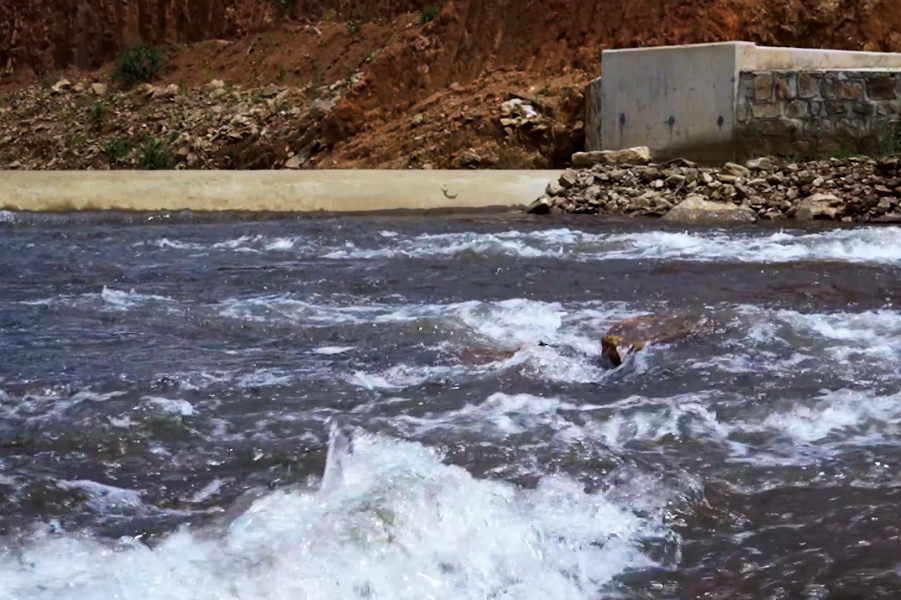
On the Ruvyironza River, Songa Energy is turning that potential into reality. The company’s 1.65MW hydropower plant is already delivering electricity to Burundi’s national grid. Alongside it, a larger 9MW run-of-river hydropower project is currently under development – a project designed to expand clean energy generation while harnessing the natural flow of the river.
Projects like this carry significance far beyond their technical capacity. For surrounding communities, improved electricity access can mean clinics that remain operational after dark, communication systems that function during emergencies, and businesses that are no longer forced to shut down when daylight fades.
Helping societies cope with risk
In short, energy access strengthens the systems that help societies cope with risk. Yet bringing renewable energy infrastructure to life in frontier markets is rarely straightforward.
Hydropower projects may be technically viable and environmentally sustainable, but investors often face uncertainties that make financing difficult. Payment delays from public electricity buyers, concerns over cash flow stability, and broader perceptions of risk can all discourage lenders from committing capital.
As a result, projects capable of transforming local resilience can stall before they begin. This is where risk mitigation becomes a critical enabler of development. ATIDI works to bridge the gap between opportunity and investment by addressing the risks that often deter private capital from entering frontier markets.
Securing long-term financing
The broader significance of this approach becomes clear when viewed against Africa’s infrastructure challenge. The continent faces an estimated $150–$170 billion annual infrastructure gap, far beyond what governments alone can finance. Mobilising private investment is therefore essential – but it requires institutions capable of managing risk effectively.
At the same time, responsible development remains central to every project. Environmental and social safeguards ensure that infrastructure is implemented sustainably and that communities benefit from the investments taking place around them.
Investments in Prevention
But the deeper story unfolding along the Ruvyironza River is one of resilience. When turbines begin turning and electricity flows into the grid, the impact will ripple far beyond the power lines themselves. Households will gain reliable lighting. Businesses will operate more confidently. Clinics and schools will function with greater stability.
Each of these changes strengthens a community’s ability to withstand future shocks. In Burundi, the waters of the Ruvyironza River are turning risk into opportunity and resilience into reality.
Because power, in the end, is more than watts and wires. It is life. Read more here.