The global data centre industry will need to address mounting sustainability challenges such as soaring electricity consumption, cooling requirements, and water usage as it continues to accelerate, a new report by GlobalData has noted.
According to the report, Data Centers, by GlobalData’s Strategic Intelligence unit, innovation in energy efficiency and green technologies will be ‘increasingly critical’ over the coming years as the rise of AI drives demand for computing capacity and infrastructure.
‘Pushing the boundaries’
AI-related workloads now dominate the sector’s growth, the study found, and are ‘pushing the boundaries of data centre capacity’, with data centres ‘increasingly recognised as a critical utility’ for modern life.
According to GlobalData, major technology firms such as Microsoft, Alphabet, Amazon, and Meta collectively spent $245 billion on capital expenditure in 2024, much of which was funnelled into data centre expansion. This could rise to $360 billion this year, given the AI-related expansion of the sector.
These companies are “competing to build large data centers and fill them with specialised chips to stay ahead in the race for AI dominance,” commented Martina Raveni, analyst in the Strategic Intelligence team at GlobalData.
Electricity consumption
As data centres are significant drivers of electricity and water demand, this expansion is going to have environmental implications. According to the International Energy Agency (IEA), the electricity consumption of data centres will more than double to approximately 945 terawatt-hours (TWh) by 2030, up from 415TWh in 2024.
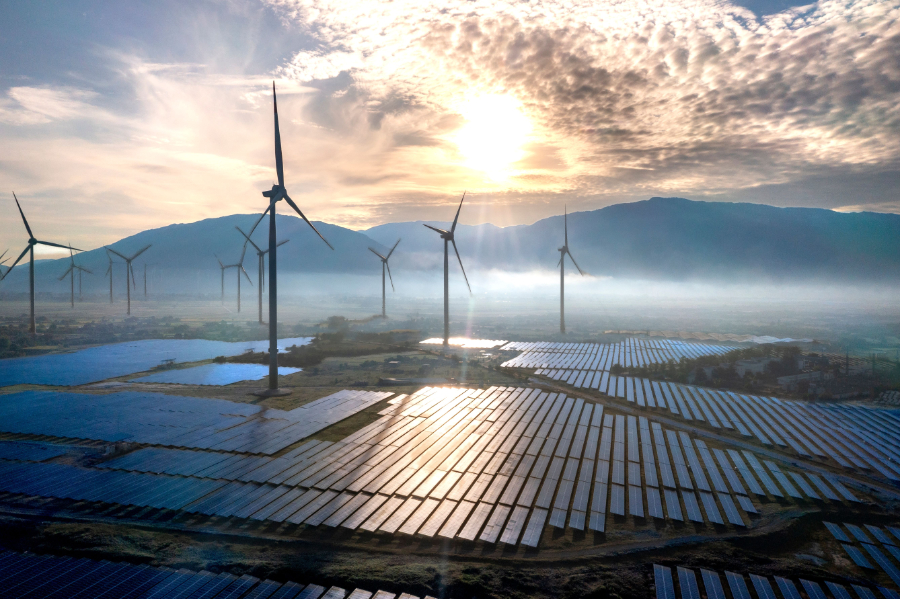
The shift toward low-carbon energy solutions is likely to therefore become a core strategy for technology firms seeking to meet rising power needs while addressing emissions targets.
“Tech giants and data centre operators are increasingly shifting to low-carbon energy solutions to meet growing power demands within their data centres,” Raveni added. “Companies that develop and deploy innovative cooling technologies, particularly liquid cooling, will likely see increased demand.” Read more here.