Energy-related emissions in Ireland fell by 3.6% last year, to 9.8 million tonnes of CO2e, a decline of more than a third (35%) from their 2005 peak, new data from the Sustainable Energy Authority of Ireland (SEAI) has revealed.
This decline means that energy-related emissions in Ireland fell to their lowest level in more than 30 years in 2025, however SEAI added that rising energy demand and a continued reliance on fossil fuels are putting the country’s climate and energy targets under pressure.
‘Not fast enough’
“We’re managing to reduce our emissions, but not fast enough,” commented William Walsh, CEO at SEAI. “We’ve seen this year how a secure and affordable energy supply is central to the financial health of our households, the livelihoods of so many of our citizens, and the strength of our economy.
“We simply can’t take it for granted anymore. With so many worried about their bills this winter, we must reduce our reliance on imported, polluting fuels. It’s the only long-term solution.”
Net energy consumption increased by 0.6% last year, reaching its highest level since 2008, SEAI noted. The largest increase was seen in the transport and commercial services sectors, with the latter reporting an energy surge from data centres.
Overall electricity demand reached 34.1 TWh, an increase of 3.7% compared with 2024. Data centres accounted for 22.5% of Ireland’s total electricity demand and 78% of the net increase in electricity demand since 2015.
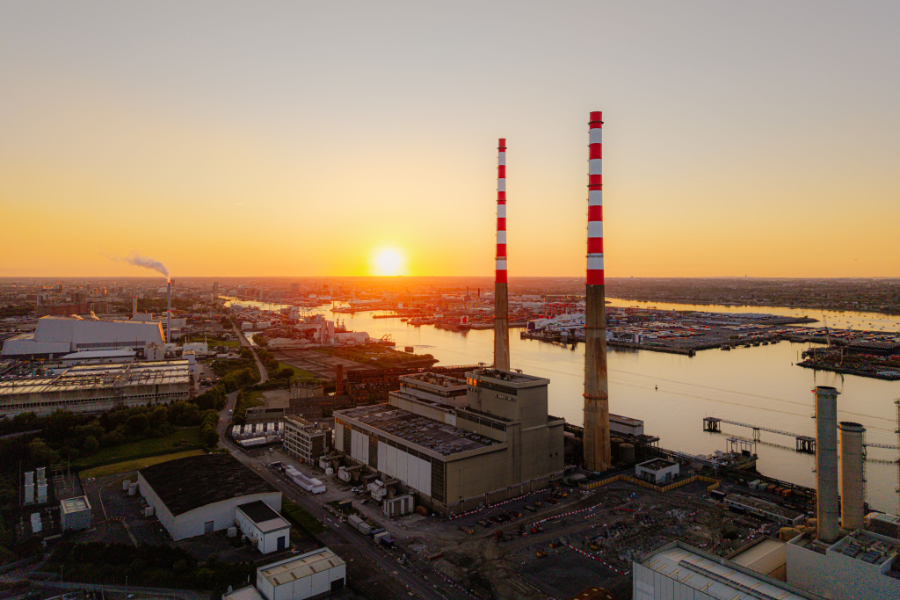
In terms of where the emissions reduction has been most prominent, electricity generation accounted for more than half of the reduction over the past two decades, SEAI added.
Electricity-related emissions fell 8.5% in 2025 to 6.3 MtCO2eq, their lowest level on record. Transport emissions fell 1.5% to 11.6 MtCO2eq, while heat emissions declined 2.8% to 11.9 MtCO2eq.
Renewable energy
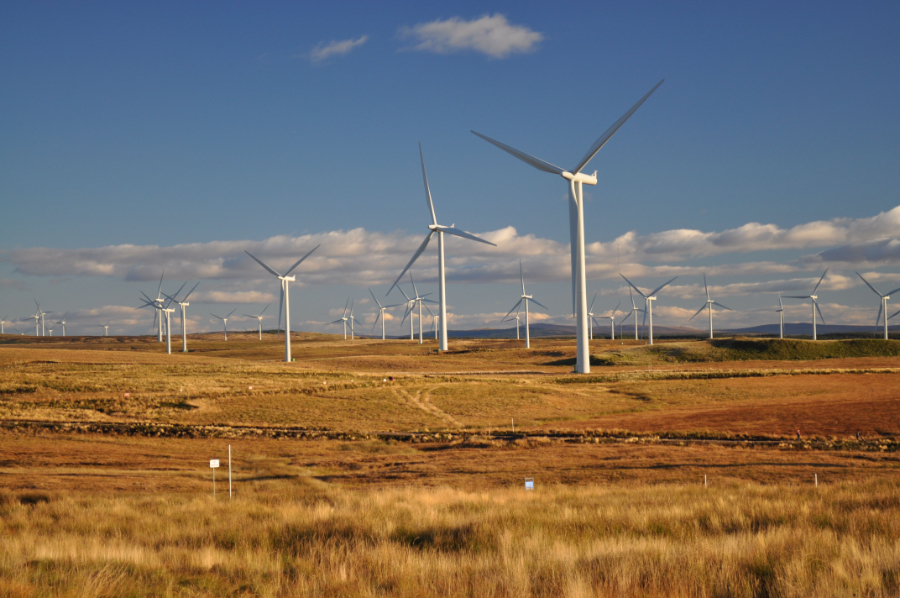
Renewable energy supply continued to grow, with 16.0% of Ireland’s primary energy coming from renewable sources last year, the highest value to date. Ireland used 1.84 TWh more renewable energy in 2025 than in 2024, with just under three-quarters of renewable energy last year coming from wind, biodiesel, and biomass.
Solar PV generation increased by 50% during 2025, while energy captured from heat pumps increased by 18%.
At the same time, however, fossil fuels continue to dominate several sectors – in transport, for example, fossil fuels accounted for 91.9% of energy last year, while 88.6% of heat demand was also supplied by fossil fuels.
“More renewable energy, a stronger electricity grid, greater energy storage, and more flexibility in how we use energy – these are the actions we can take to protect Ireland’s energy security and reduce costs to homes and businesses into the future,” Walsh added. “Just as importantly, we need to minimise waste, improve efficiency and address how much energy we need.”
In its National Energy Projections 2026, SEAI added that Ireland needs to reduce energy use by 15% by 2030 to meet its EU commitments. However, current projections indicate that demand could instead increase by 10%. Read more here.