Global targets to protect and conserve at least 30% of the world’s land and ocean by 2030 – the so-called ’30×30′ goal – remain within reach, but governments will need to ‘accelerate action’ to get there, a new report by Campaign for Nature and Together for the Ocean has found.
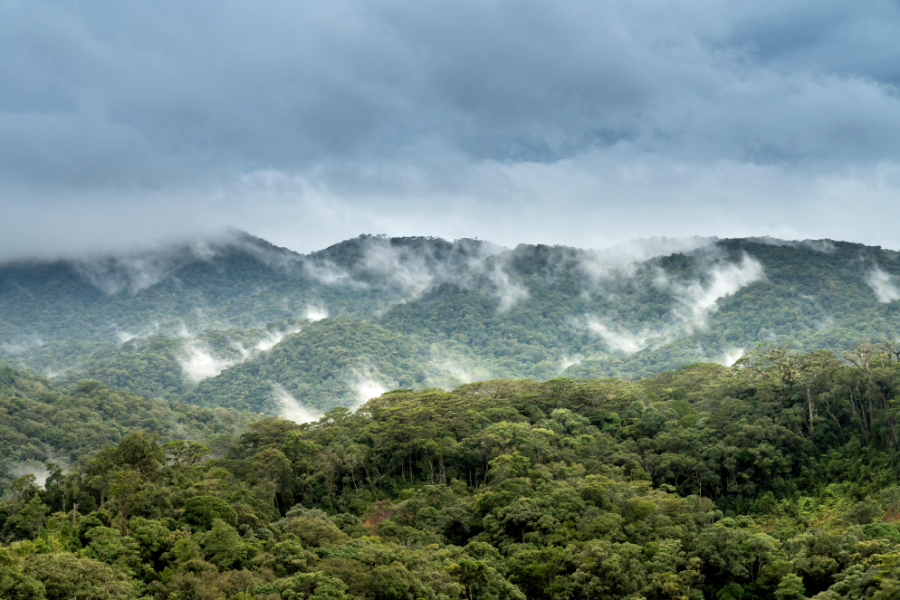
According to the 2026 30×30 Global Assessment and Ocean Protection Gap Report, around 20% of the world’s land and inland waters are currently designated as protected or conserved. If existing quantified government commitments are fully delivered, this could rise to approximately 27% by 2030.
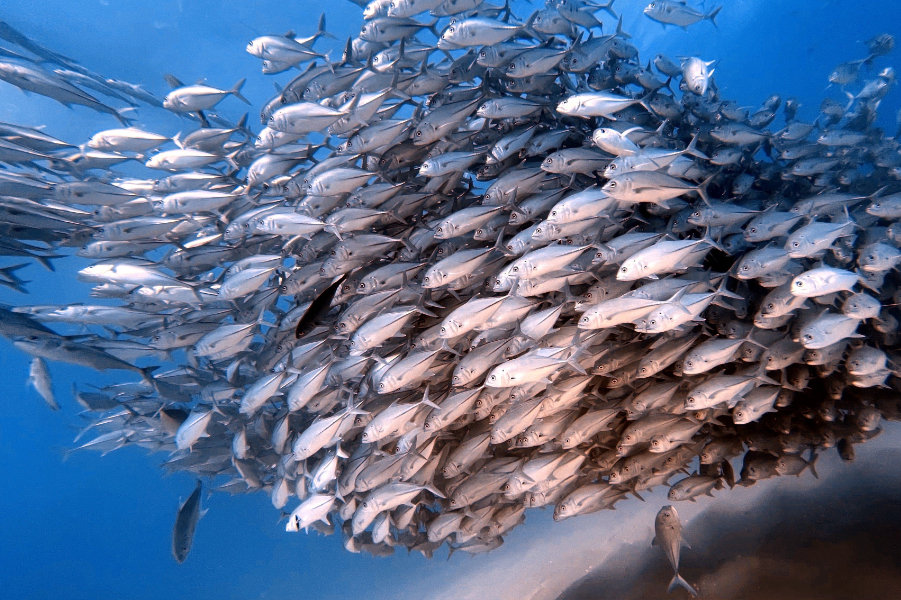
At sea, however, progress is much further behind, the report noted, with 10% of the global ocean currently designated for conservation, and completion of existing quantified national commitments increasing this to just 12% by 2030.
‘A core pillar’
“World leaders must understand that protecting nature should be a core pillar in combating climate change,” commented Dr. Frans Timmermans, former first vice-president of the European Commission.
“Conserving intact landscapes and restoring degraded ecosystems strengthens carbon mitigation and significantly increases climate resilience, protecting communities from extreme weather while providing clean air and water. This summer could be a turning point if world leaders recognise that biodiversity conservation and climate change must be among their top priorities, not just for the sake of nature, but for our own survival.”
While many countries are yet to translate their 30×30 targets into concrete, mapped, costed and financed plans, some nations have been among the first movers, ‘demonstrating that rapid progress is possible’, as the report puts it.
More than 50 countries and territories now report terrestrial coverage of at least 30%, while countries including Brazil, Australia, Canada, Costa Rica and Colombia have expanded protected and conserved areas in recent years.
As of May of this year, 116 of the 196 Parties to the Convention on Biological Diversity had submitted quantified commitments covering land and inland waters.
Finance remains a major hurdle, however, with the assessment estimating that achieving the global nature protection target will require approximately $100 billion to $180 billion annually, compared with current spending of around $24 billion. For the ocean, meanwhile, approximately $16 billion is needed each year, against estimated current spending of $1.8 billion.
‘Within reach’
“This assessment shows that real progress is being made towards 30×30, and that the target remains within reach,” Brian O’Donnell, director of Campaign for Nature, said of the report. “Countries have expanded protected and conserved areas around the world – safeguarding critical ecosystems such as forests, wetlands, and mangroves.
“Crucially, governments have to ensure that protected and conserved areas are well managed and deliver tangible benefits for biodiversity and people, which requires providing the long-term funding they need to succeed. 30×30 should be treated not only as a conservation imperative, but as an investment in economic resilience, climate stability, food and water security, health, and long-term prosperity.” Read more here.