Ireland is set to overshoot its 2025 Carbon Budget targets by around 10 Mt CO2eq, a new report by the Climate Change Advisory Council has warned.
According to the the Council’s Annual Review 2025, cross-sector emissions for the 2021 to 2025 period are set to come in at around 305 million tonnes, exceeding the limit of 295 million tonnes established under the national carbon budgeting process.
The Council added that the shortfall is also likely to put additional pressure on Ireland in the second Carbon Budget period, running from 2026 to 2030, with the need to transition away from fossil fuels set to be a core focus.
As it noted, fossil fuel subsidies amounted to €4.7 billion in 2024, while some sectors, most notably transport, still boast ‘stubbornly high’ emissions.
The Council has called for greater investment in public transport, an expansion of grants for affordable electric vehicles, and the rollout of a national demand management strategy to reduce car dependency and overall transport emissions.
Making progress
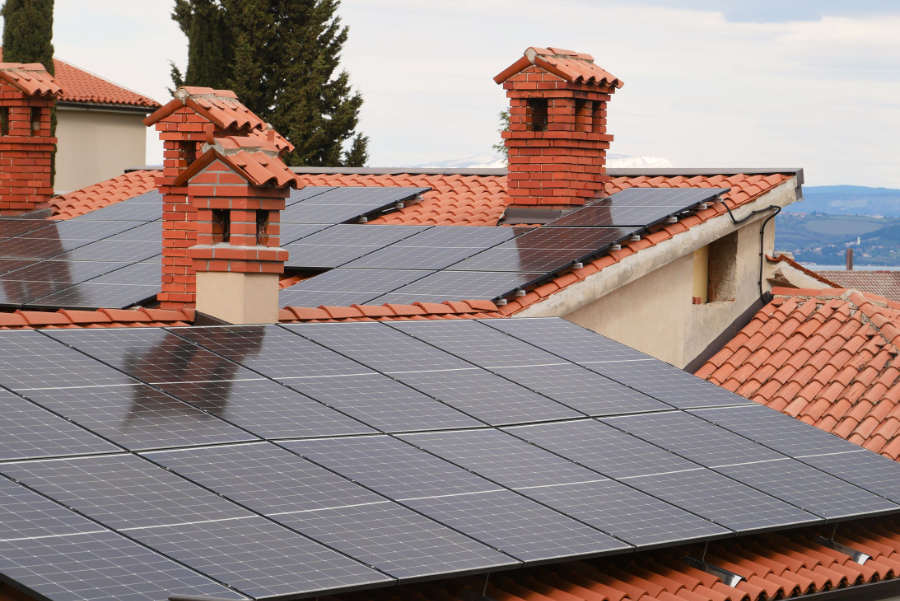
“In our first Carbon Budget period, progress has undoubtedly been made in the built environment with the roll out of retrofits in our homes, the increased uptake of protected urea in agriculture and the growth in the development of renewable energy especially wind and solar, including on our houses,” commented Marie Donnelly, chair of the Climate Change Advisory Council.
“However, we need to redesign how we commute, heat homes, and power the economy. That means real investment in people, infrastructure, and communities, not more delay.”
Elsewhere, the Council has highlighted the importance of Ireland’s local authorities in driving climate action at community level, particularly with the establishment of ‘decarbonisation zones’ within each local authority area.
‘Extremely punitive’
Failure to meet 2030 EU emissions targets could lead to ‘extremely punitive’ compliance costs of as much as €26 billion.
“We have the opportunity and the resources to transform Ireland, both in terms of reducing emissions and preparing for future climate events,” Donnelly added.
“We must act now because if we don’t, we will pay the financial and societal price by losing out on secure and affordable energy, a healthier and more sustainable society, both today, and for future generations.” Read more here.