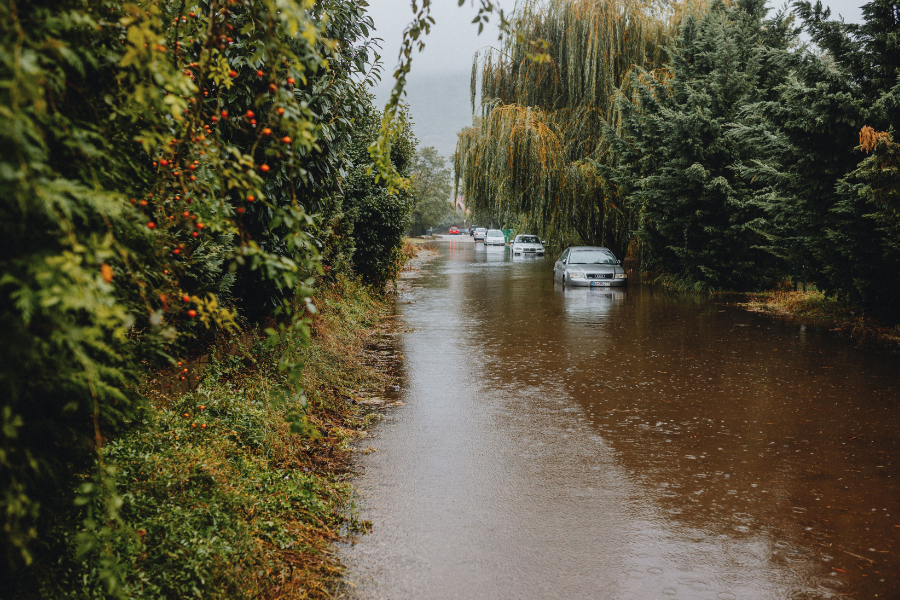
Around four fifths (79%) of global data centre capacity faces exposure to ‘acute climate hazards’ including flooding, extreme winds and wildfires, a new study by climate analytics firm First Street has found.
In addition, more than half (54%) of capacity is located in areas exposed to ‘chronic climate stress’, including weather extremes such as heat and drought, it noted.
First Street‘s report, Climate Risk in Global Data Center Markets: Implications for Investment and Performance, examined 97 data centre markets around the world, and found that many of the sector’s largest or fastest-growing hubs are located in areas subject to climate risk, raising questions about the long-term resilience of digital infrastructure.
Increased capacity
‘Global data centre capacity has expanded rapidly over the past decade and is expected to nearly double again by 2030,’ it noted. ‘Yet while investors have traditionally focused on power availability, connectivity, land access, and demand growth, climate risk remains largely absent from many underwriting and valuation frameworks despite its direct influence on uptime, operating costs, insurance availability, and infrastructure reliability.’
Other findings from the report include that chronic climate exposure in the data centre industry varies from region to region – standing at 89% of capacity in the APAC region, compared with 50% in the Americas and 46% in EMEA.
In addition, major hub locations such as Northern Virginia in the US, Johor in Malaysia, and Marseille in France all sit in the ‘highest climate-risk tier’, while Nordic markets are among the least exposed.
Location concerns
“Where you build a data centre determines a large share of what it will cost to run for the next 20 or 30 years. Climate is a big part of that: cooling, water, and reliability all depend on location,” commented Dr. Jeremy Porter, chief economist at First Street. “But most valuations still focus on growth and treat climate as a secondary concern.”
His comments were echoed by First Street founder and CEO Matthew Eby, who noted that as heat, drought and water stress increase, data centre operators need to avoid using outdated planning models.
“Investors who incorporate these factors into underwriting and capital allocation decisions will be better positioned to identify resilient markets and avoid mispriced risk,” he said. Read more here.