The Middle East energy crisis is likely to ‘leave lasting marks’ on global energy markets, and reinforce the need for energy security and affordability, according to the IEA’s latest World Energy Outlook.
In the report, the IEA noted that the market impacts from the Middle East conflict and disruptions to shipping through the Strait of Hormuz have now reached ‘all corners of the world’, while ongoing geopolitical tensions are also influencing government energy policies and investment decisions.
“The Hormuz crisis has delivered a huge shock to the system,” commented Fatih Birol, executive director, IEA, “While the energy sector and the global economy have shown considerable resilience, the longer the crisis lasts, the deeper the effects will be. And I don’t see any credible pathway for the energy world to return to the way it was before.”
World Energy Outlook
The latest World Energy Outlook explores several possible energy pathways, identifying a growing alignment between energy security and the transition to lower-emissions energy sources.
“By providing multiple scenarios – none of which are forecasts – and analysis of unparalleled scope, it can serve as a reference as countries consider their next steps,” Birol added. “It also brings into focus the difficult trade-offs they face. In pursuit of greater energy security, countries must take care not to replace one dependency with another.”
According to the IEA, the longer that uncertainty persists over the Middle East conflict, the more governments will seek to diversity their energy sources, investing in domestic resources and electrification. However, it added that a ‘clear resolution’ of the conflict could lead oil and natural gas supply to ‘rebound strongly’, putting downward pressure on prices.
Shift to electrification
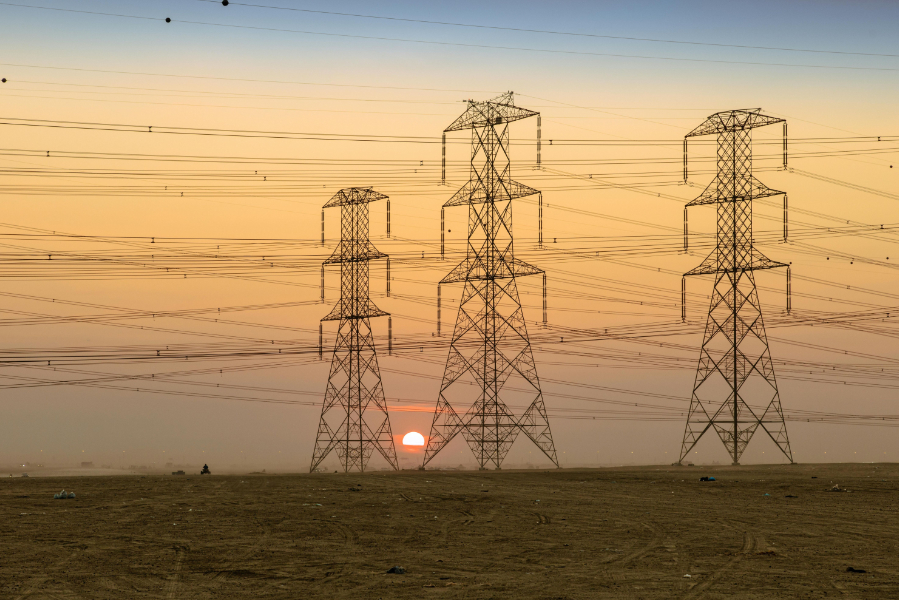
The shift towards electrification is likely to continue unabated, it added, with global electricity demand having grown faster than the world economy since 2019, and at twice the rate of overall energy demand.
The IEA expects electricity demand to ‘grow even faster’ to 2035, with electricity approaching 30% of final energy consumption across all different scenarios.
“The pressures of the current crisis must not obscure the choices that will shape energy security, sustainability and prosperity for the decades to come,” Birol added. “Countries will pursue different pathways, reflecting their resources, circumstances and priorities. But all have a stake in building a more secure, affordable and sustainable energy system – and in effective cooperation to achieve that goal.” Read more here.