Packaging firm Tetra Pak has said that it is ‘on track’ to achieve net zero greenhouse gas emissions in its own operations by the end of the decade, while also stepping up efforts to achieve net-zero emissions across its entire value chain by 2050.
The company made the assessment as it reported a 20% reduction in value chain greenhouse gas emissions since 2019, as well as a 47% reduction in emissions across its own operations, in its latest Sustainability Report.
Sustainability achievements
Other achievements noted in the report include the development of a new aseptic beverage carton featuring a paper-based barrier, which reduces that product’s carbon footprint by a third – a launch that followed a €100 million investment in packaging research and development last year.
Tetra Pak plans to invest an additional €100 million on an annual basis over the next five to ten years, it added.
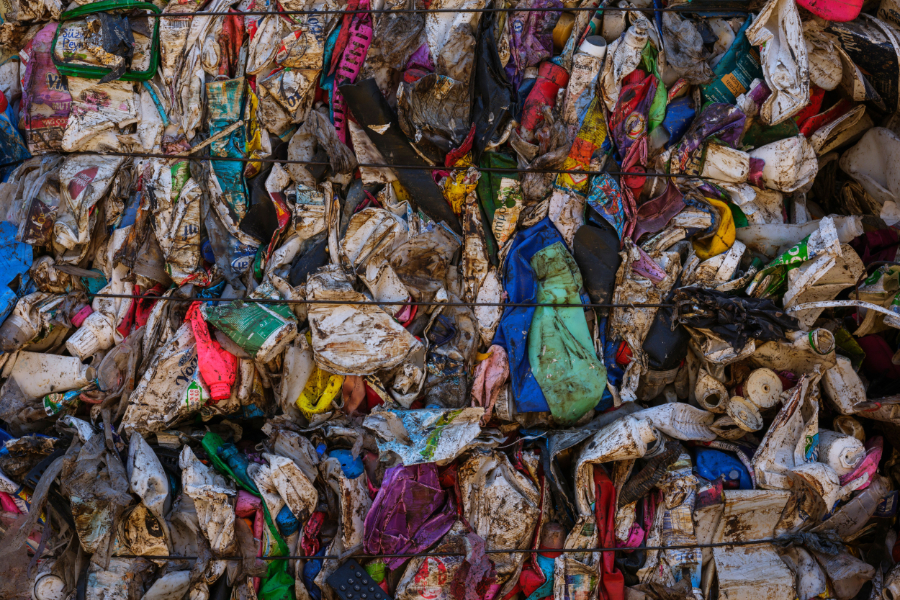
Elsewhere, the the amount of carton packages collected and sent for recycling worldwide increased by 7% compared to 2022, it said, while the volume of polyAl sent for recycling rose by 14%.
Importance of collaboration
“Collaboration across the food industry is ever more important to feed a growing population sustainably,” commented Adolfo Orive, president and CEO at Tetra Pak. “Our global presence and end-to-end solutions give us opportunities every day to collaborate with stakeholders across the value chain, from farmers and food producers, to suppliers, policy makers, consumers and others.
“We understand the responsibility that comes with this role. We remain committed to playing our part to transform the world’s food systems, to ensure they are more secure, resilient and sustainable.”
Elsewhere, Tetra Pak was included in the CDP Forests ‘A List’ for the eighth consecutive year, also receiving an ‘A-’ rating in Water Security, while the company also helped 64 million children in 49 countries gain access to milk and other nutritious beverages through its School Feeding Programmes. Read more here.