Cities Alliance has unveiled a new report at COP29, which sheds light on what it says is a ‘critical’ shortfall in climate finance for urban poor living in informal settlements.
In its report, Climate Finance for the Urban Poor: A Review of Global Climate Funds, Cities Alliance notes that despite urban areas receiving growing attention in climate finance allocations, only 3.5% of global climate funds over the last 20 years have been directed toward the urban poor.
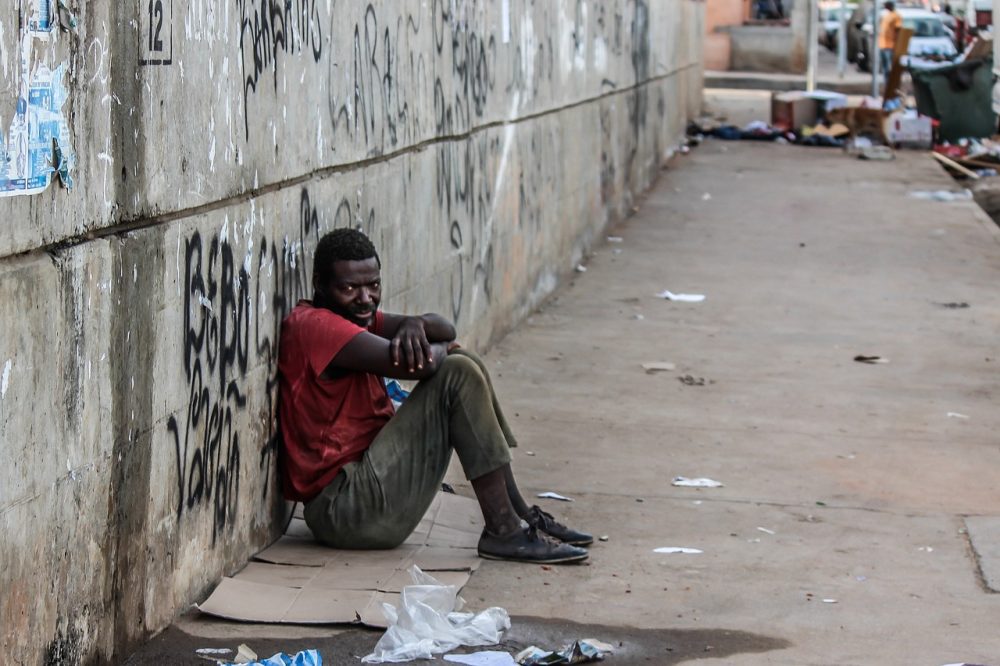
It states that the urban poor, disproportionately affected by climate change, often live in disaster-prone areas with limited resources to adapt or recover. At the same time, however, they are also key players in driving sustainable solutions, if adequately supported, the group adds.
‘Alarming and unjust’
“The fact that only a small fraction of global climate finance reaches the urban poor is both alarming and unjust,” commented Greg Munro, director of Cities Alliance.
“These communities are not only facing the greatest challenges of climate change but are also essential to the solutions. It is time for climate finance to recognise their capacity and potential, ensuring they are fully included in efforts to combat and adapt to climate impacts.”
As Cities Alliance noted, of the $33.4 billion allocated through 22 major climate funds since 2003, just $1.2 billion reached informal settlements. Among the 3,428 projects tracked by the report, only three explicitly reference the urban poor or informal settlements in their titles.
‘Lack of targeted projects’
‘With more than 1 billion people living in informal settlements worldwide, this lack of targeted projects and funding is insufficient to drive a green, just, and resilient transition in cities,’ Cities Alliance said. ‘When the urban poor have access to finance, they create sustainable and lasting change that improves livelihoods, enhances food and water security, and fosters environmental conversation and public health.’
The report recommends developing measurable targets to track and accelerate funding for these communities, as well as leveraging local knowledge and involving communities in data collection to guide tailored interventions.
According to Cities Alliance, such approaches would ensure that climate actions directly address the needs of the urban poor, while supporting broader goals of resilient, low-carbon urban development. Read more here.