An academic paper has said that while the ongoing conflict in Iran and its effect on oil supplies presents an opportunity to accelerate the transition away from fossil fuels, policy decisions mean this opportunity is being missed.
Paasha Mahdavi, associate professor of political science and affiliated faculty at the Bren School, University of California, Santa Barbara, and Michael L. Ross, professor in the Department of Political Science and the Institute of the Environment and Sustainability at the University of California, Los Angeles, said in an editorial in the Science journal that continued reliance on fossil-fuel subsidies represent the ‘worst energy policy in the world’ in the current crisis.
Missed potential
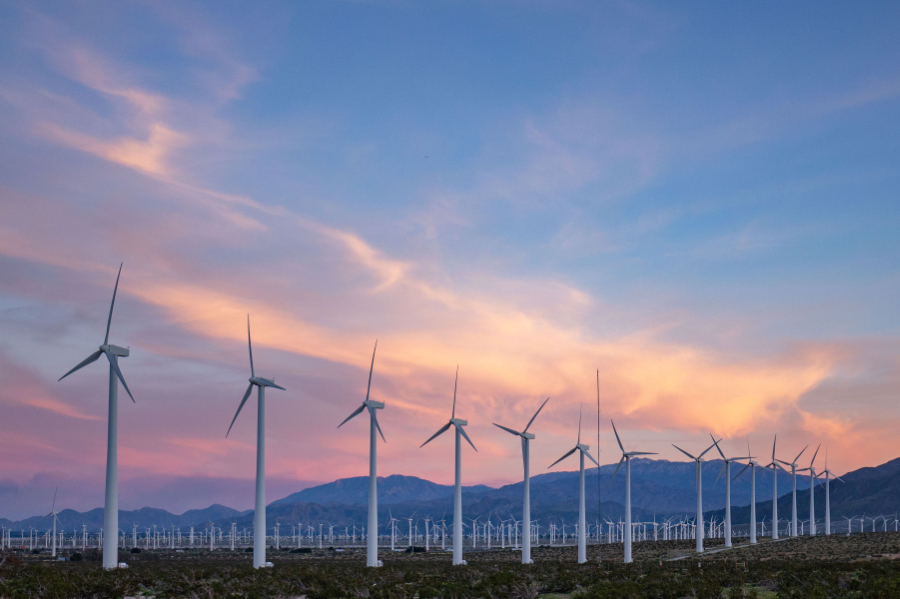
‘The Iran war could serve as a turning point in accelerating the global transition away from fossil fuels: every additional day that oil and gas prices are high and future supplies are uncertain, wind and solar power – cheaper and more scalable than ever before – grow all the more appealing,’ the authors state.
‘But nearly half of the world’s countries have adopted emergency subsidies that research shows will make this transition slower, more expensive, and less equitable.’
As they note, since 2003, there has been little global progress in eliminating fuel subsidies. Of roughly 130 subsidy reforms attempted across the 21 biggest subsidising countries between 2016 and 2023, 70% collapsed within a year, while more than 90% had failed within three years.
While some reforms are reversed through protest or political upheaval, others disappear gradually through inflation, currency deprecation or rising fuel costs – a form of ‘silent erosion’, as the authors put it.
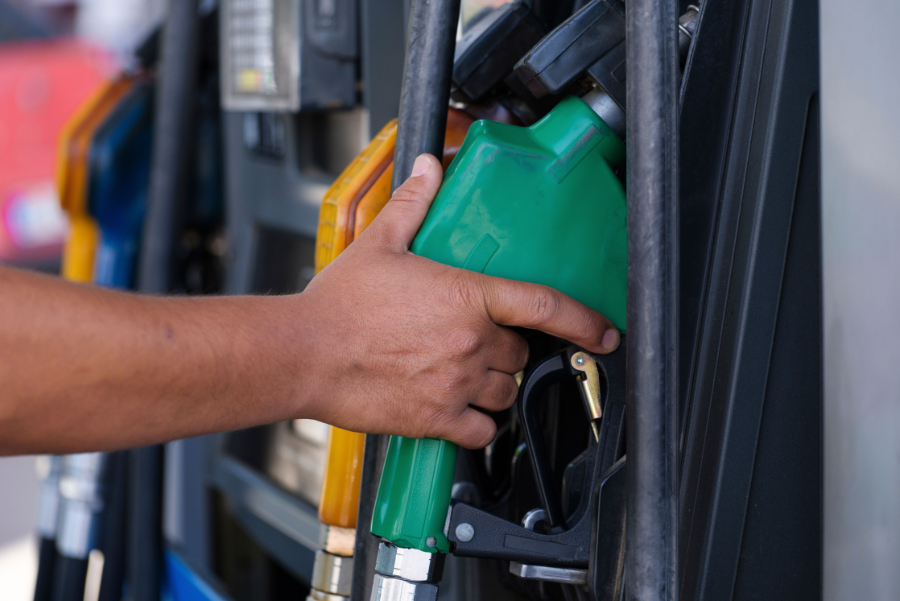
‘Why do government efforts keep falling short?’ the authors state. ‘For many consumers, the price of gasoline is the single most visible number in an economy. Unlike an electric bill or the price of bread, gas prices confront drivers every day of the week, typically posted in public locations. For politicians, few policy levers are easier to reach for – and, evidence suggests, few are harder to put back.’
Targeted measures
Instead of fuel subsidies, the authors urge governments to use targeted measures to protect households from high energy prices, such as financial assistance for low-income households, public transport subsidies, energy-saving home renovations and support for solar installations.
‘Such tools can help vulnerable citizens without prolonging the very crisis they are seeking to escape,’ they note. ‘The Iran war represents a once-in-a-generation opportunity to accelerate the transition away from fossil fuels. But short-term measures that governments are taking – to help their citizens cope with elevated gasoline and diesel prices – will have long-term effects.
‘Making fossil fuels cheaper now will have catastrophic consequences in the future.’ Read more here and here.