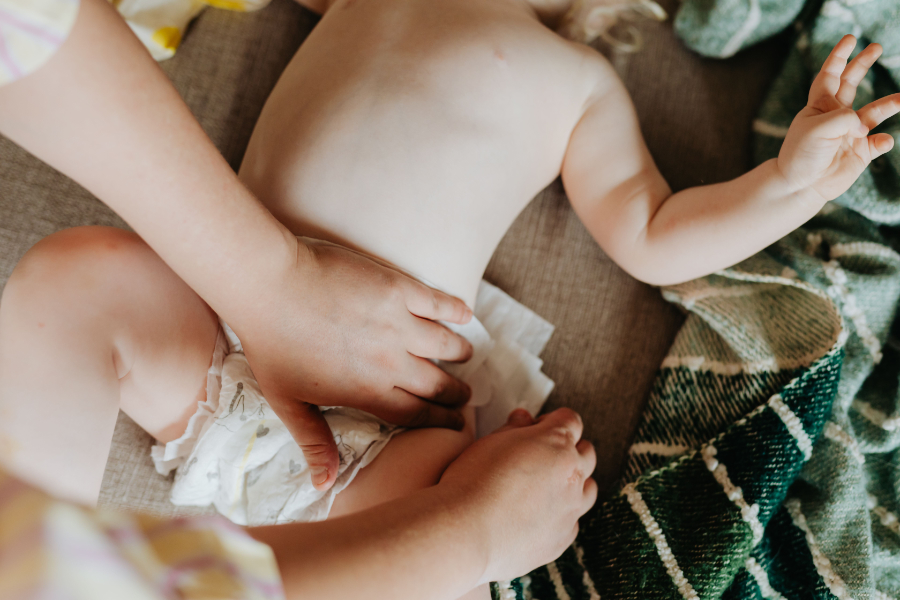
Absorbent hygiene products, such as disposable diapers and nappies, account for between 160 million and 200 million tonnes of waste each year, globally, with a new study by researchers at University College London (UCL) exploring how coordinated action can reduce the environmental impact of said products.
The study, Research priorities for addressing global absorbent hygiene product waste, which was published in Nature Sustainability, saw researchers outline a roadmap for reducing the environmental footprint of absorbent hygiene products, or AHPs, through changes in consumer behaviour, recycling technologies and product design.
Most of the world’s AHPs end up in landfill or are incinerated after use, while in regions lacking adequate waste collection systems, used nappies contribute to plastic pollution, water contamination and public health risks.
Priority interventions
The researchers identify a number of priority areas for intervention, including encouraging behavioural change around toilet training – as they note, the average toilet training age in the UK has risen from around two years and four months in the 1950s to just over three years in the 2000s.
Other potential solutions identified by the researchers include increased use of recyclable products, the rollout of new and scalable recycling technologies, and the development of fully-compostable products.
Plastic waste crisis
“More than 300,000 nappies are thrown away globally, every minute,” commented Dr Elze Porte, senior research fellow at UCL Mechanical Engineering and lead author of the study. “In the UK alone, around 14 million people experience incontinence, many of whom use disposable incontinence products. This makes absorbent hygiene products a major, yet largely unrecognised, contributor to the plastic waste crisis.
“These products are essential for health, dignity and caregiving, but their environmental impact has largely gone under the radar. What our research shows is that this is not a problem with a single solution. It requires coordinated changes across behaviour, technology, materials and policy.”
Along with diapers, other AHPs include baby wipes, incontinence products and period products.
Big Toilet Project
The latest study builds on the Big Toilet Project, run by the UCL Plastic Waste Innovation Hub, which examined why children are being toilet trained later and how this affects nappy use.
“Our earlier work has highlighted how changing social norms and caregiving pressures are contributing to increased nappy use,” added Professor Mark Miodownik (UCL Mechanical Engineering), senior author of the study and lead researcher on the Big Toilet Project. “This new paper takes that further, showing how those behavioural trends intersect with materials and waste systems to create a global environmental challenge and, importantly, what we can do about it.” Read more here.