
Mental health support for those affected by extreme weather ‘lacking’
A new report by the International SOS Foundation has found that mental health support for those affected by extreme weather…

A business news platform with a sustainable focus. Featuring the latest sustainability news and ESG insight, viewed through a business lens.
Weather plays an increasingly important role in corporate sustainability, influencing business operations, supply chains, infrastructure, agriculture, energy systems and climate resilience. More frequent and severe weather events, including heatwaves, floods, droughts and storms, are increasing operational risks for organisations while reinforcing the need for climate adaptation, resilience planning and effective risk management. Weather-related impacts are becoming a growing focus of sustainability reporting, climate risk assessments and long-term business strategy.
SustainabilityOnline provides coverage of the latest weather-related sustainability developments, including extreme weather events, climate resilience, business continuity, climate adaptation, agricultural impacts, renewable energy, water management and evolving climate risk. We explore how organisations are responding to weather-related disruption, strengthening resilience across operations and supply chains, preparing for physical climate risks and integrating weather considerations into corporate sustainability strategies. We also examine the links between weather, climate change, biodiversity, food security and environmental policy.
Related topics: weather, extreme weather, climate change, climate resilience, climate adaptation, climate risk, floods, droughts, heatwaves, storms, business continuity, supply chain resilience, agriculture, renewable energy, water management, food security, biodiversity, corporate sustainability and ESG reporting.
A new report by the International SOS Foundation has found that mental health support for those affected by extreme weather…
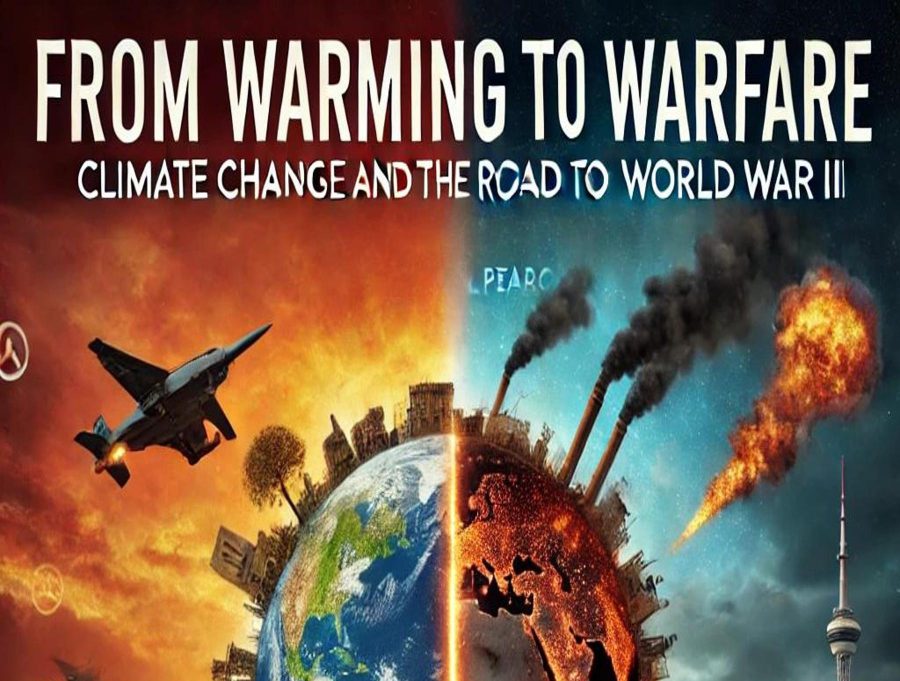
The growing connection between climate change, a shortage of resources and global conflict is the topic of a new book,…

An AI-driven study has suggested that even with rapid decarbonisation, global warming beyond 1.5 degrees Celsius is inevitable, with the…

New data from the Copernicus Climate Change Service (C3S) has found that following a November that was the second-warmest on…
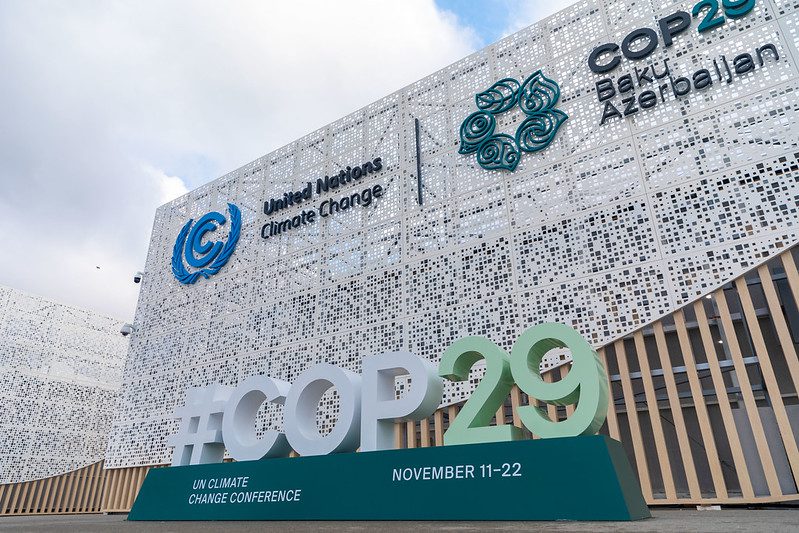
The European Union, together with Canada, Chile, Georgia, Mexico, Norway and Switzerland, have committed to ensuring their forthcoming nationally determined…

Climate change, specifically increased temperatures, can heighten the effects of chemical pollution on nature and human health, a new study…
A new United Nations Climate Change report has indicated that the climate plans of most countries fall well short of…
The average global surface air temperature hit 16.82°C in August 2024, making it the joint-hottest August both globally and in Europe.

Climate change is likely to force many countries to modify how they use resources, particularly water, a new report from S&P Global Market Intelligence has found.