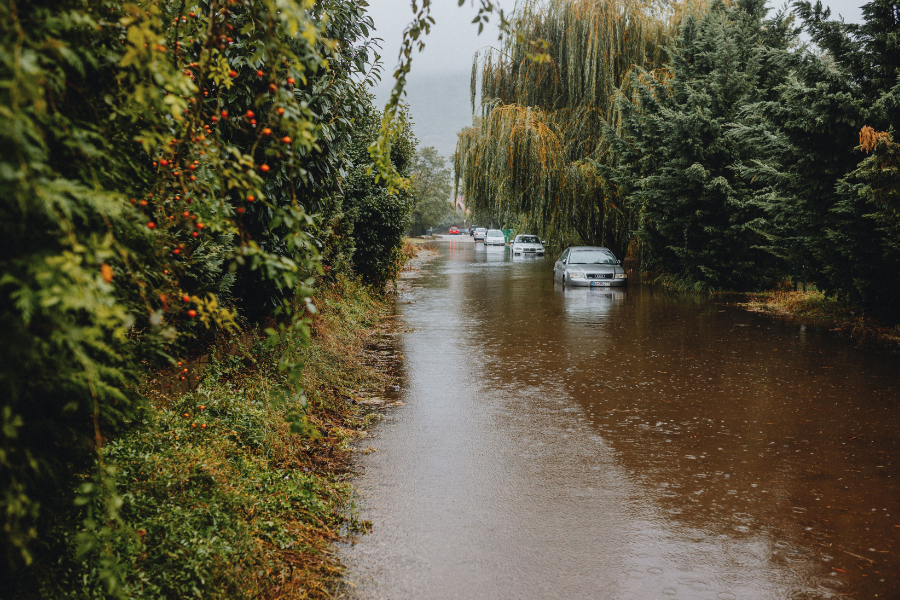
Ireland needs to move on from reacting to individual extreme weather events towards systematic preparation for a climate of greater extremes, the Climate Change Advisory Council has said.
In its annual report, Preparing for Ireland’s Changing Climate, the council warned that Ireland’s climate resilience planning and preparation ‘does not match the scale or urgency of the risks the country now faces’.
It urged the government to ‘put a price on inaction’ and properly cost climate resilience measures, particularly with Budget 2027 approaching.
As the report noted, Storm Chandra and prolonged periods of rainfall exposed vulnerabilities in planning, transport and critical infrastructure earlier this year, while high summer temperatures highlighted increased risks to water supply, agriculture, health systems and vulnerable communities.
These events alone underpin why the government needs to move from ‘reactive response to proactive adaptation’ when it comes to climate adaptation, supported by long-term planning and sustained investment.
‘Living with the consequences’
“Ireland is already living with the consequences of a changing climate,” commented Professor Peter Thorne, chair of the Climate Change Advisory Council’s Adaptation Committee. “This year alone, we have moved from severe flooding and prolonged rainfall to exceptional heat and drought-like conditions. We are not prepared for either extreme.
“We cannot keep treating extreme events as one-off emergencies, simply repairing the damage while people continue to live in fear of the next major event. We need to build back better and take measures to protect vulnerable homes, communities, infrastructure and public services before the next crisis hits.”
Adaptation shortfalls
The report pointed to gaps in existing adaptation plans, with many not sufficiently costed, or lacking committed funding or measurable targets. For example, of 54 major flood relief schemes prioritised through the 2018 national flood risk assessment, 30 remain at Stage 1, or preliminary design.
In addition, planning decisions often fail to take account of climate risk – as the council noted, as pressure grows to expand housing supply, some 288 sites vulnerable to flooding have been proposed for rezoning by councillors over the past six years.
As housing supply pressures increase, it said climate risk needs to remain central to planning decisions and development in flood-prone areas should be avoided. It also warned that areas currently not affected by flooding may become increasingly exposed as the climate changes.
“Government needs to put a price on inaction to improve investment decisions and track delivery, fund the measures we know are needed and move from plans to delivery,” Thorne added. “Climate resilience will cost money, but the cost of inaction will be far greater.”
Reducing energy costs
Elsewhere, the Irish government has announced a series of enhanced SEAI grants aimed at reducing energy costs, improving energy efficiency and supporting the move away from fossil fuels.
Measures taking effect from 6 October include fully funded solar PV and battery systems under the Warmer Homes Scheme, increased solar and insulation supports for certain households, a €2,000 fossil fuel boiler scrappage grant and expanded grants for businesses investing in solar, heat pumps and solar thermal systems. Read more here and here.