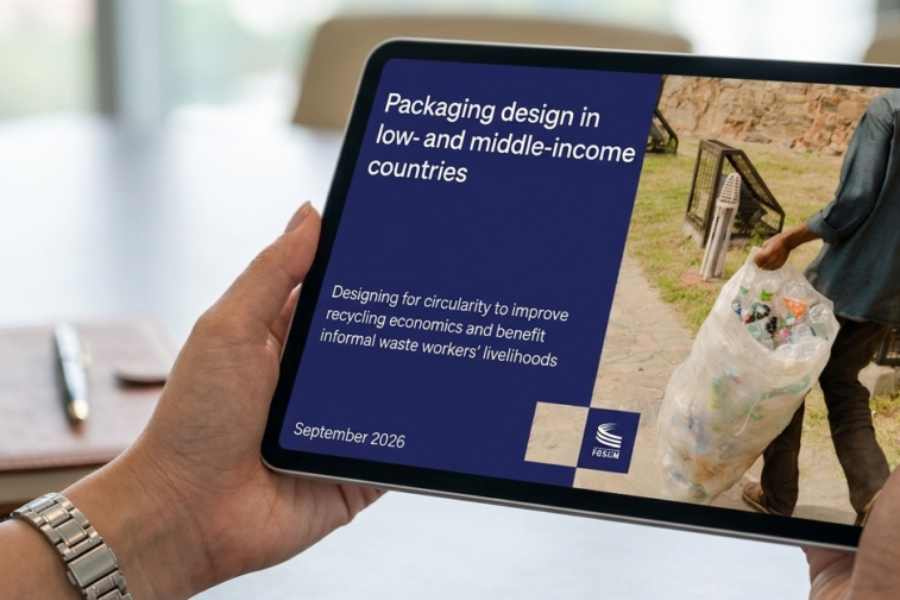
Packaging design changes could help improve recycling outcomes, reduce plastic pollution, and support waste sector workers in low- and middle-income countries, a new report by The Consumer Goods Forum’s Plastic Waste Coalition of Action has suggested.
The report, Packaging design in low- and middle-income countries, notes that packaging design is becoming an ‘important lever’ for improving waste management, adding that mixed materials, problematic labels and hard-to-remove components are affecting the recyclability of certain products.
This, in turn, affects the value of recyclable materials, which has a knock-on effect on informal waste workers, who collectively sort around 27 million metric tonnes of plastic waste each year, or approximately 60% of all plastic recovered for recycling globally.
The incomes of said workers are ‘closely tied’ to the value of the materials they collect, the report notes, meaning that packaging that is difficult to recycle can reduce earnings, as well as increasing the time spent handling materials that ultimately cannot be recycled.
‘Circular and inclusive’
“Packaging design can play a key role in building more circular and inclusive waste management systems,” commented Cédric Dever, director of the Plastic Waste Coalition of Action, The Consumer Goods Forum.
“This report shows how relatively simple design choices can make packaging easier and more valuable to collect and recycle, helping to keep materials in circulation while supporting the millions of informal waste workers who are at the heart of collection and sorting systems in many low and middle-income countries.”
Core recommendations
The CGFs’ report outlines three recommendations for governments, industry associations and producers when developing packaging design requirements, EPR approaches and national standards:
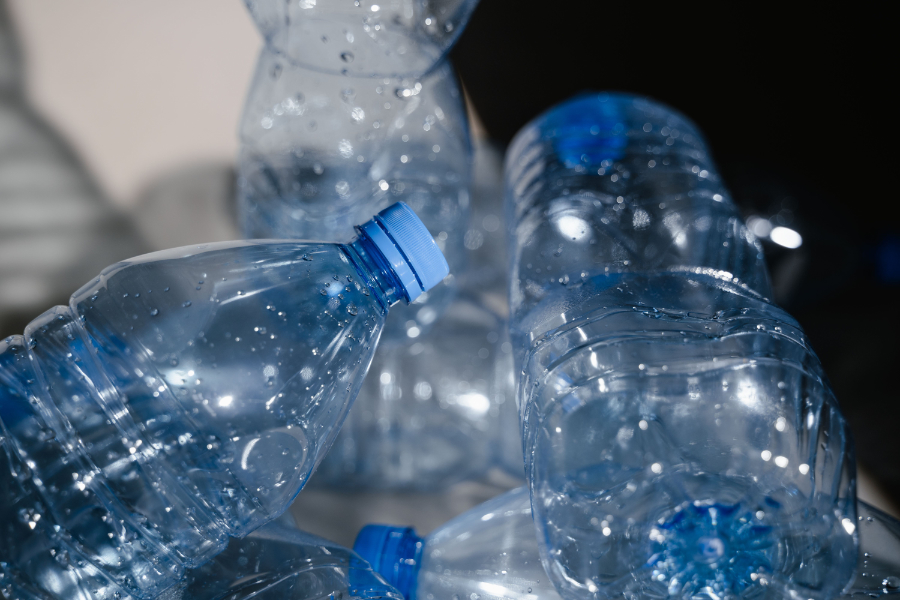
- Increase the recycling value of polyethylene terephthalate (PET) bottles. The report suggests using uncoloured PET, or transparent blue or green PET where appropriate.
- Make PET bottles and rigid High-Density Polyethylene (HDPE) plastic packaging easier to recycle. This includes ensuring that labels, adhesives, inks, closures, liners and seals are compatible with recycling. The report also recommends minimal or moderate direct printing and avoiding fillers that increase packaging density above 1g/cm³.
- Provide clear recycling instructions on packaging. Clear information on material composition and recycling or reuse can help informal waste workers identify and sort higher-value rigid plastics.
The CGF also cites examples from Colombia and Indonesia, where clear PET bottles can command significantly higher prices than coloured alternatives – in Colombia, clear PET sells for around three times more than coloured PET, while in Indonesia, collectors receive around 66% more for clear PET. Read more here.