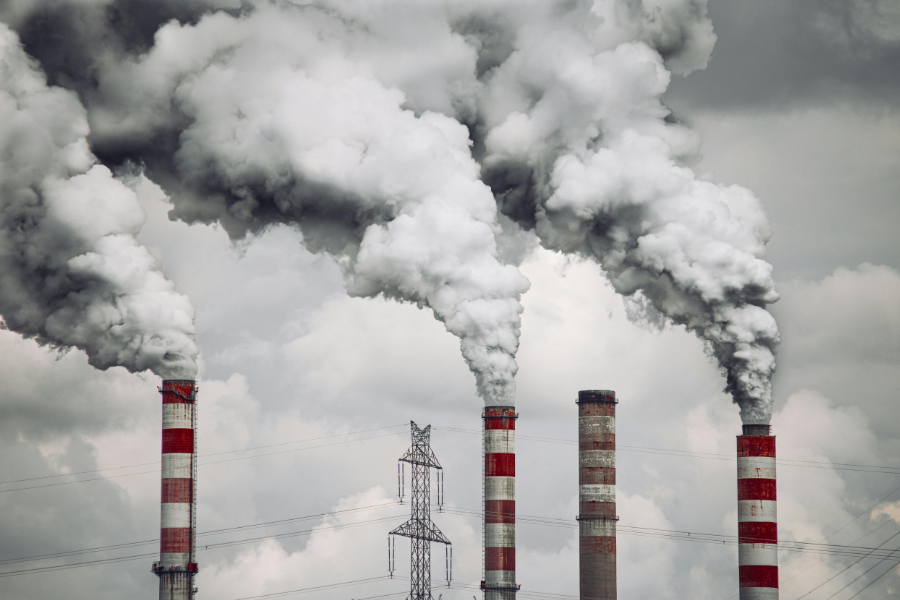
A new report by SFG20 has found that while sustainability remains an important strategic focus for firms in the facilities management sector, momentum in this area has slowed over the past year.
According to SFG20‘s State of Facilities Management 2026 report, as of this year, 40% of organisations identify sustainability as a ‘top priority’, down from 56% in 2025, amidst growing budgetart pressures.
In addition, 37% of organisations have yet to set a net zero target, up from 32% last year, indicating that progress towards longer-term climate commitments is stalling.
‘An ambition rather than an outcome’
“There is a clear desire to integrate sustainability into FM strategies, but without clear investment, accountability, and measurement, it risks becoming an ambition rather than an outcome,” commented Kirsty Cogan, managing director at SFG20. “It is widely reported that the built environment accounts for around 40% of global carbon emissions. Carbon reduction targets need to be linked to real, actionable steps that work in harmony with compliance and cost management, rather than competing against them.”
Budget constraints remain the biggest barrier, with 72% of organisations saying that they are feeling the pressure of rising costs and financial uncertainty.
The proportion of organisations citing a lack of internal expertise has also risen, from 30% to 41%, reflecting the struggle firms face in accessing the skills needed to deliver effective net-zero strategies.
Elsewhere, more than a third (35%, up from 34% last year) indicate that measuring and tracking progress remains a challenge, while 32% of respondents see compliance and regulatory requirements as an obstacle to achieving sustainability goals, up from 22% last year.
Areas of progress
Despite these hurdles, many organisations are still making progress in some areas – more than two thirds (68%) have implemented energy-efficient systems such as lighting and HVAC upgrades, while 57% are focusing on waste reduction programmes. Nearly half (48%) are investing in renewable energy, and 38% have adopted sustainable procurement practices.
“The past year has shown that while there is an undeniable commitment to raising standards across the industry, the road to sustainability, cost efficiency, and compliance remains a tough one to navigate,” Cogan added. “Conversations with FM professionals across different sectors highlight the same recurring theme: progress is being made, but not at the speed or scale needed to meet the growing challenges ahead.”
Launched in 1990 by the Building Engineering Services Association (BESA), SFG20 is recognised as the industry standard for building maintenance specifications. The survey received a total of 188 responses from professionals in the built environment sector. Read more here.