Around 1,000 tonnes of microplastics and nano plastics migrate from plastic packaging into food and beverages every year, a new report by Earth Action and rePurpose Global has suggested.
The report, From Pack to Plate, says that this equates to around 130mg of plastic consumption per person annually, rising to as much as one gram in some cases – equivalent to hundreds of millions, or even billions, of particles being ingested.
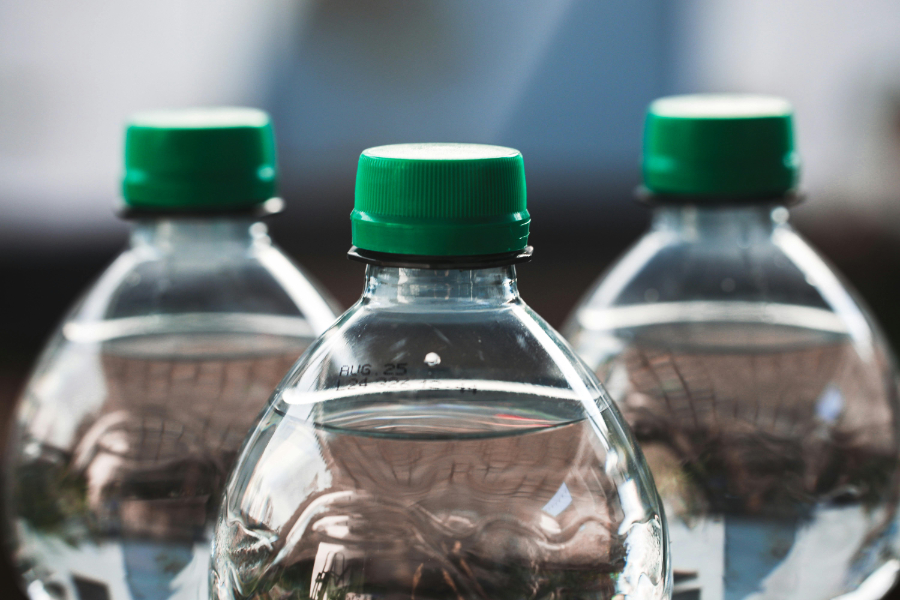
PET packaging is the biggest culprit, according to the study, accounting for around a third of packaging-related exposure.
‘Direct pathway’
“For years the debate around microplastics focused on pollution in the environment,” commented Julien Boucher, PhD, head of research and co-CEO of Earth Action. “Now we know of the direct pathway to human exposure through the food we eat every day.
“This report identifies the scale of the problem but also points to the solutions. If policymakers and industry start treating particle release as a real safety consideration, alongside chemical migration, we have clear opportunities to reduce exposure.”
Most particles identified tend to be smaller than 150 micrometres, which are small enough to penetrate cell barriers and interact with biological systems – as the study noted, every 100mg to 200 mg of ingested microplastics carries approximately 50mg of chemical exposure.
Microplastic ingestion
The study also links the ingestion of microplastics from packaging to three main factors – the choice of material, the design of packaging components such as caps and closures, and conditions during use.
For example, exposure to sunlight and UV rays can double the release of microplastic particles, while heating processes such as microwaving can also weaken the material, increasing particle detachment.
Potential measures to reduce exposure outlined in the report include changes to packaging design, limiting UV exposure during storage and transport, and increased testing of materials under real-world conditions. The research delivers structured datasets designed for integration into digital tools and future standard-setting efforts, which will be incorporated into the rePurpose Global platform.
“The data makes one thing clear: better choices upstream can prevent billions of particles reaching food before it ever gets to consumers,” added Svanika Balasubramanian, chief circularity officer and founder of rePurpose Global. “A relatively small number of packaging formats and supply-chain conditions drive most exposure. That means industry has a real opportunity and responsibility to redesign packaging systems to reduce these emissions.” Read more here.