The European Council has signed off on the Packaging and Packaging Waste Regulation (PPWR), which will set binding re-use targets, restrict certain types of single-use packaging and require businesses to minimise the packaging they use.
Following the formal adoption by the Council, the regulation will now be published in the EU’s Official Journal, and will be applied 18 months after it is officially published.
Among the measures outlined by the PPWR are targets to reduce packaging waste by 5% in Europe by 2030, 10% by 2035 and 15% by 2040, against a 2018 baseline.
It also sets 2030 and 2040 targets for a minimum percentage of recycled content to be used in packaging, including up to 65% for single-use plastic bottles by 2040.
Efforts to minimise the weight and volume of packaging, as well as avoid unnecessary packaging, are also required, while packaging should clearly state material composition or recycled content information to facilitate consumer sorting and recycling.
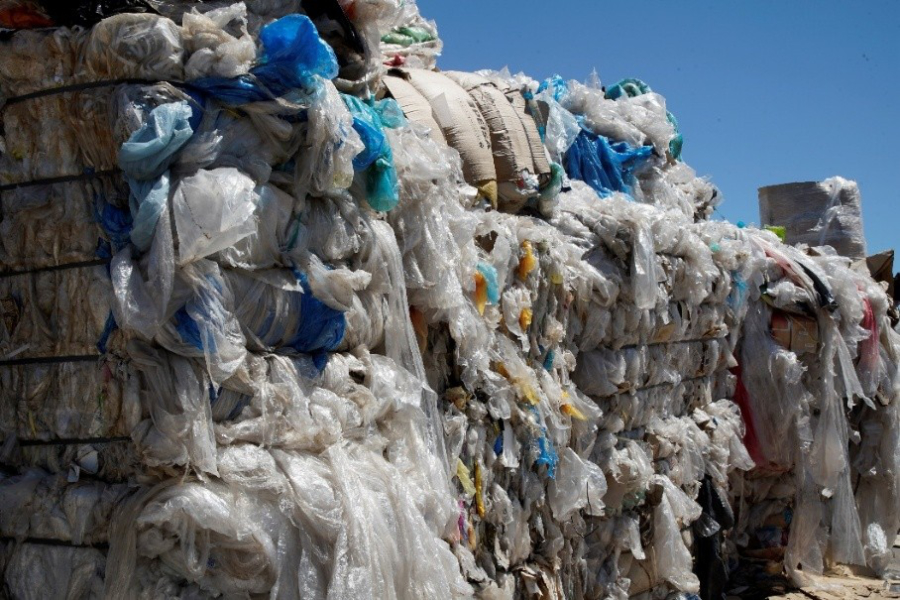
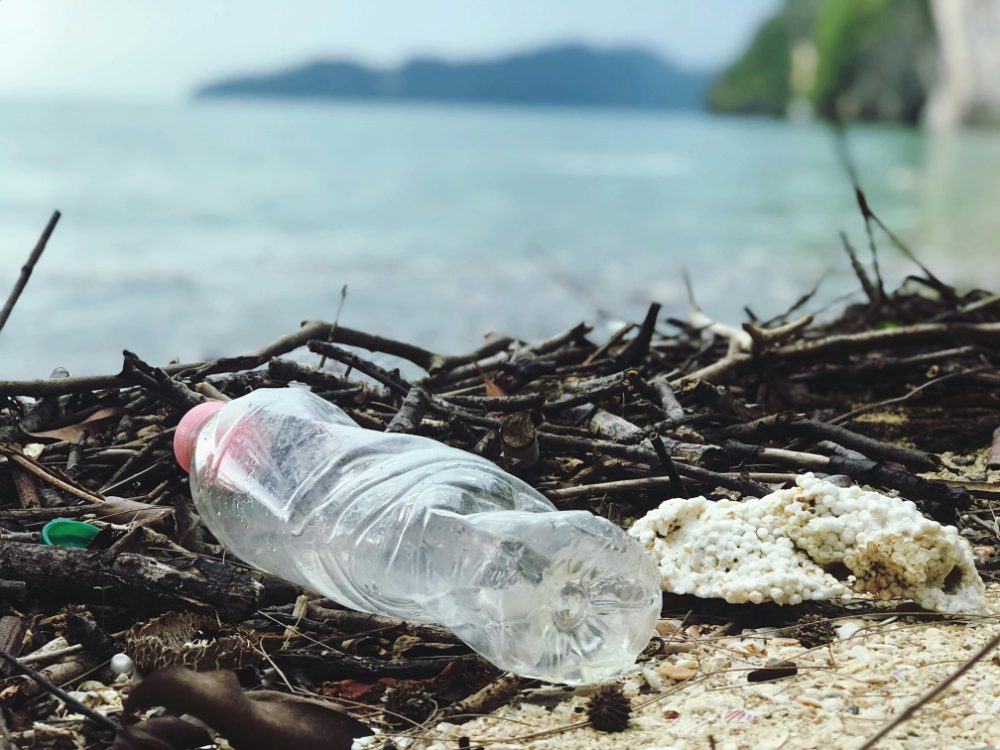
‘Even though recycling rates have increased in the EU, the amount of waste generated from packaging is growing faster than the amount recycled,’ the European Council said. ‘In 2022, the EU generated almost 186.5 kilograms of waste packaging per person, of which 36 were plastic packaging. This means that each day we produce half a kilogram of packaging waste per person in the EU.’ Read more here.
Industry response
Responding to the PPWR, UNESDA, which represents the soft drinks industry at a European level, described it as ‘a significant milestone in the EU’s efforts to accelerate the transition towards a circular economy.
‘Yet, this is not the end of the process and the European Commission now needs to invest energy and resources in the next, even more crucial phase: developing the necessary implementation measures that enable the industry to prepare for compliance. To succeed, the industry needs sufficient preparation time and clear rules.’
Elsewhere, Christina Busk, head of environmental policy at Plastindustrien, the Danish Plastics Industry Association, said that the regulation is an “an important step forward in our joint efforts to reduce resource waste and promote circularity. […] We are particularly pleased with the requirements for recycled content in packaging, which will strengthen the demand for and production of high-quality recycled plastic, also for food contact.”
European Bioplastics (EUBP), which represents the interests of the bioplastics industry, said that the PPWR opens up opportunities for bio-based plastics to enter into more widespread use.
“Biobased plastics are not just an alternative but a necessary component of the EU’s transition to sustainable packaging systems,” said Hasso von Pogrell, Managing Director of EUBP. “They reduce reliance on fossil resources and offer real solutions for achieving the Packaging and Packaging Waste Regulation’s goals.”