
New project aims to boost recycling and circular economy in Egypt
Egypt produces over 95 million tonnes of waste annually, of which only 60% is collected. Less than 20% is properly disposed of or recycled.

A business news platform with a sustainable focus. Featuring the latest sustainability news and ESG insight, viewed through a business lens.

Recycling is the process of collecting, sorting and processing materials that would otherwise become waste so they can be used again as raw materials or products. It plays an important role in reducing waste, conserving natural resources, reducing the need for virgin materials and supporting the transition to a circular economy
SustainabilityOnline explores how organisations are improving collection and recycling systems, increasing the use of recycled content, developing new recovery technologies and responding to changing requirements around packaging and waste. We also examine developments in resource efficiency, extended producer responsibility, emissions, sustainable manufacturing and the role of recycling in wider corporate sustainability strategies.
Related topics: recycling, waste management, waste reduction, circular economy, recycled content, recycled materials, plastics recycling, packaging recycling, battery recycling, textile recycling, waste recovery, resource efficiency, extended producer responsibility (EPR), packaging, sustainable manufacturing, recycling technology, materials recovery, corporate sustainability and ESG.
Egypt produces over 95 million tonnes of waste annually, of which only 60% is collected. Less than 20% is properly disposed of or recycled.
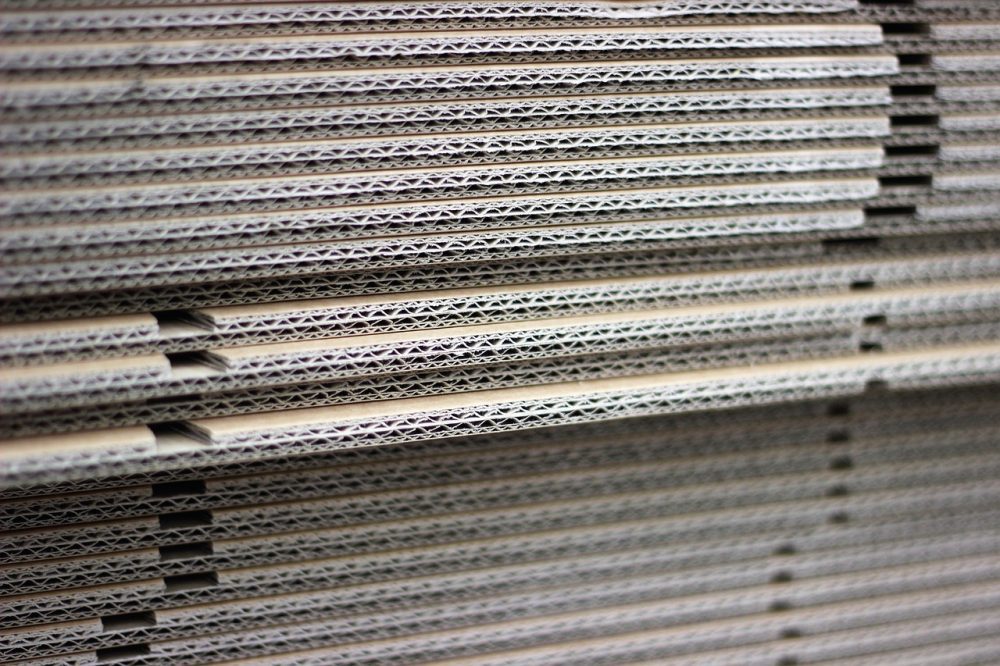
Paper represents far from a ‘cure-all solution’ in terms of bolstering sustainability, a new report from Rabobank has found.

Around $6.5 billion worth of material that could be recycled and re-used is lost to landfill every year in the United States, a new report by Eunomia Research & Consulting and Ball Corporation has found.