
Two thirds of travellers want air travel to become more sustainable
Two thirds (65%) of consumers have said that it is time for air travel to become more sustainable, according to a study undertaken by Lilium.

A business news platform with a sustainable focus. Featuring the latest sustainability news and ESG insight, viewed through a business lens.

The transition to more sustainable transport includes electric vehicles, low-carbon fuels, public and commercial charging infrastructure, more efficient logistics and the development of cleaner technologies for aviation and maritime transport. Transport decarbonisation is becoming an increasingly important part of corporate sustainability strategies as businesses respond to climate targets, regulation, changing consumer demand and the need to reduce greenhouse gas emissions.
SustainabilityOnline provides coverage of the latest sustainable transport developments, including electric mobility, battery technology, charging infrastructure, sustainable aviation fuel, low-carbon shipping, alternative fuels, transport policy and clean technology. We explore how organisations are electrifying fleets, reducing transport emissions, investing in charging networks, improving logistics and responding to evolving sustainability requirements. We also examine developments in decarbonisation, renewable energy, sustainable aviation, maritime transport, transport infrastructure and the role of mobility in achieving net zero targets.
Related topics: sustainable transport, electric vehicles, EV charging, battery technology, sustainable aviation fuel (SAF), aviation decarbonisation, low-carbon aviation, sustainable shipping, maritime transport, alternative fuels, renewable energy, transport emissions, transport infrastructure, clean technology, decarbonisation, net zero, climate policy, sustainable mobility, logistics and corporate sustainability.
Two thirds (65%) of consumers have said that it is time for air travel to become more sustainable, according to a study undertaken by Lilium.
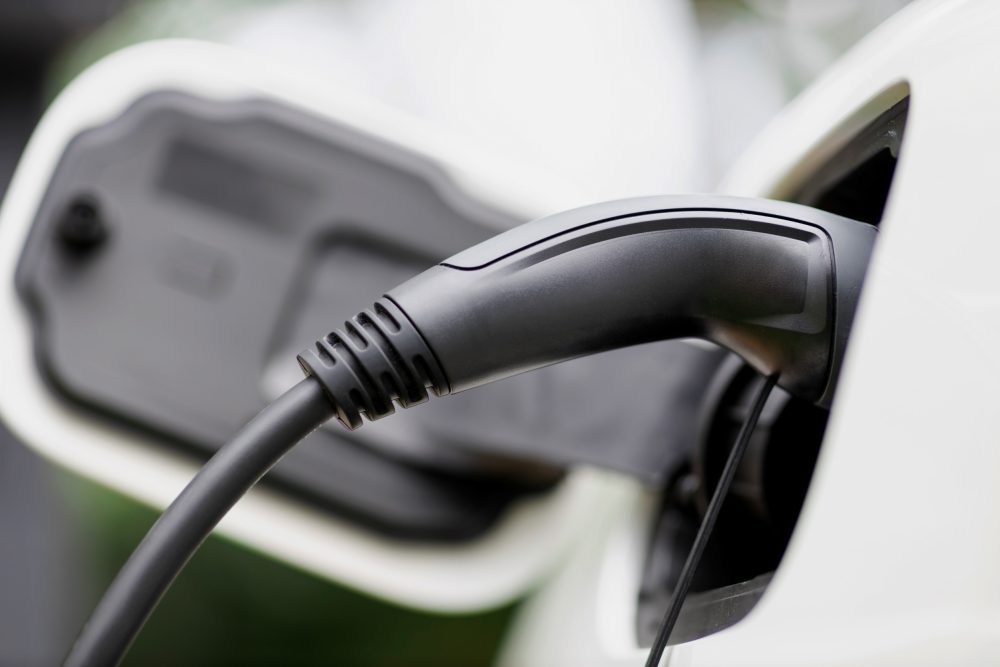
Dual-voltage charging stations are ‘changing the game’ for electric vehicle charging, and will play a key role in bolstering the adoption of EVs on a global basis.

Germany boasts the highest number of battery-only electric cars in the European Union, with 1.41 million electric cars on German roads.