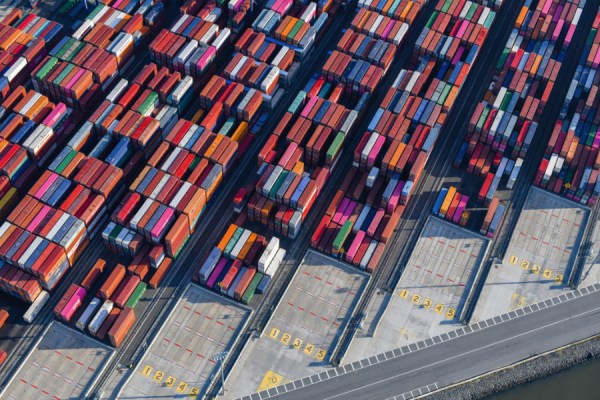
Corporate commitment to sustainability high, but governance lags, says MIT
While corporate commitment to supply chain sustainability is at a ‘record high’, governance gaps and external disruptions are providing a…

A business news platform with a sustainable focus. Featuring the latest sustainability news and ESG insight, viewed through a business lens.

Decarbonisation is the process of reducing greenhouse gas emissions across business operations, energy systems and value chains to help mitigate climate change. For organisations, decarbonisation involves cutting emissions through measures such as improving energy efficiency, increasing the use of renewable energy, electrifying operations, reducing Scope 1, Scope 2 and Scope 3 emissions, and developing long-term net zero strategies. It has become a central pillar of corporate sustainability, driven by regulation, investor expectations and climate commitments.
SustainabilityOnline covers the latest developments in decarbonisation, including corporate climate strategies, emissions reduction initiatives, renewable energy, low-carbon technologies, climate transition planning and evolving sustainability regulations. We explore how organisations are reducing operational and value chain emissions, improving carbon accounting, adopting reporting technology, strengthening climate disclosures and integrating decarbonisation into wider business strategy. We also examine developments in net zero planning, sustainable finance, industrial decarbonisation, supply chain transformation and corporate sustainability reporting.
Related topics: decarbonisation, greenhouse gas emissions, carbon reduction, net zero, climate transition planning, renewable energy, energy efficiency, Scope 1 emissions, Scope 2 emissions, Scope 3 emissions, carbon accounting, climate disclosure, sustainable finance, low-carbon technologies, supply chain decarbonisation, corporate sustainability and ESG reporting.
While corporate commitment to supply chain sustainability is at a ‘record high’, governance gaps and external disruptions are providing a…

Op-ed by Dr. Liz Gilligan, CEO of Material Evolution. Two hundred years ago, a bricklayer from Leeds named Joseph Aspdin…

Fashion brands are in a position to turn Scope 3 emissions risk into enterprise value by unlocking the investment opportunity…
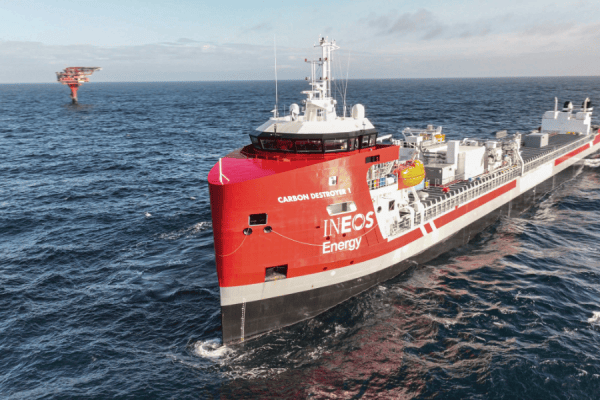
The first full-scale facility for the permanent storage of CO₂ in the European Union has been officially opened in Denmark….
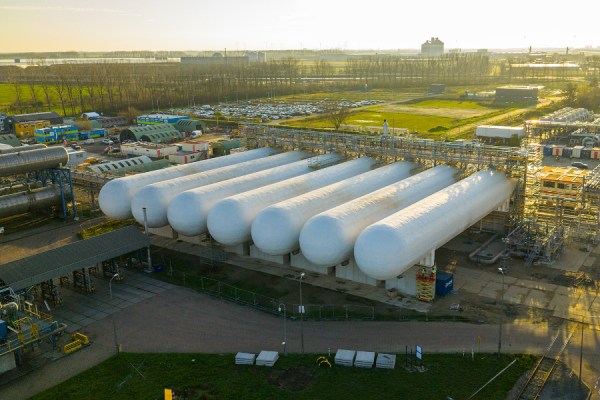
The largest industrial carbon capture facility in Europe, located at Yara International’s ammonia and fertiliser plant in Sluiskil, the Netherlands,…
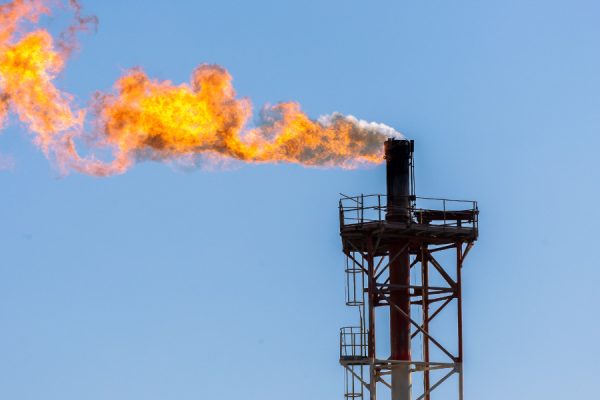
Oil and gas firms continue to see carbon capture, utilisation, and storage (CCUS) as a key decarbonisation pathway, along with…

Op-ed by Akshay Kashyap, founder and managing director, Lumax Greenfuel Energy Solutions Pvt. In India, transport is the third-largest GHG-emitting…

Chinese battery manufacturer CATL has announced that it has achieved its 2025 target of carbon neutrality across core operations, with…
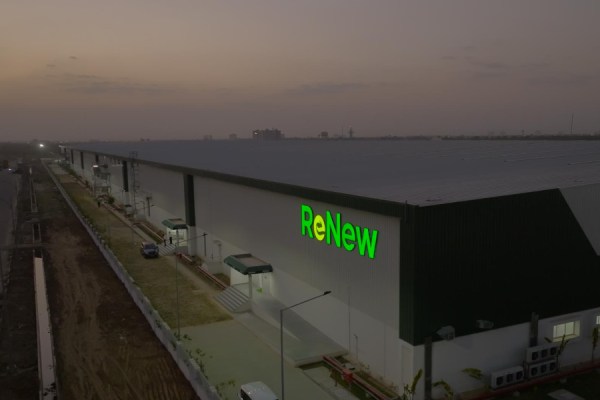
India-based renewable energy firm ReNew Energy Global has reported a 25.6% reduction in Scope 1 and 2 emissions against a…

Global sustainable debt issuance, covering bonds and loans raised by corporations, governments, and multilateral institutions to finance environmental, climate transition,…