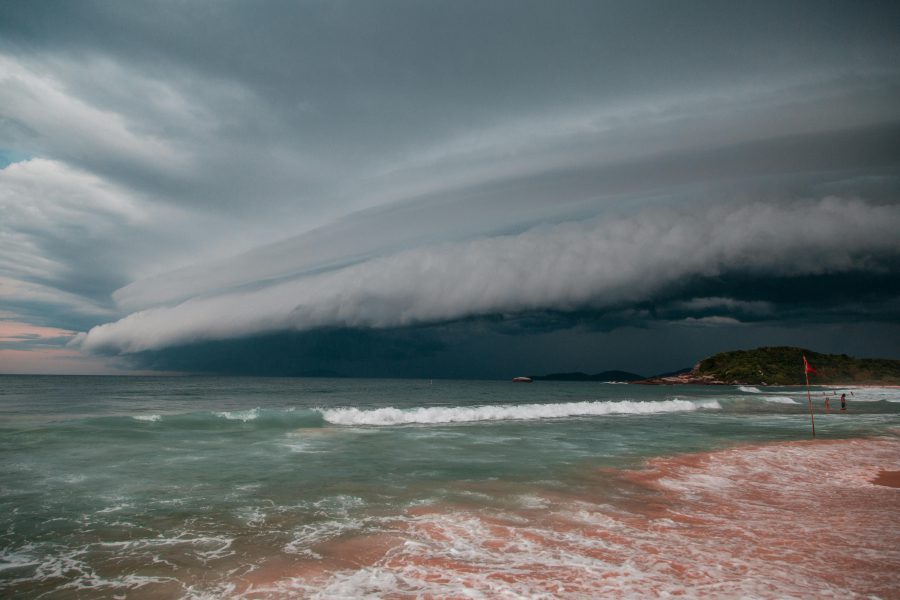
Climate change is increasingly ‘showing its claws’, through severe hurricanes, thunderstorms and floods, multinational insurance provider Munich Re has said.
2024 was a ‘loss-heavy’ year for the insurance market, with $140 billion in insured losses, it noted. Since 1980, just two years have been more expensive for the industry.
Overall, natural disasters around the world caused losses of around $320 billion last year, up from $268 billion the year before, with weather catastrophes responsible for 93% of overall losses and 97% of insured losses.
‘Devastating’ consequences
“One record-breaking high after another – the consequences are devastating,” commented Thomas Blunck, member of the board of management at Munich Re. “The destructive forces of climate change are becoming increasingly evident, as backed up by science.
“Societies need to prepare for more severe weather catastrophes. Accordingly, Munich Re is expanding and adapting its risk models to address these developments. This allows us to maintain, and even expand, our substantial risk capacity, helping to close the protection gap. At its core, insurance puts a price tag on the risks, which further encourages prevention.”
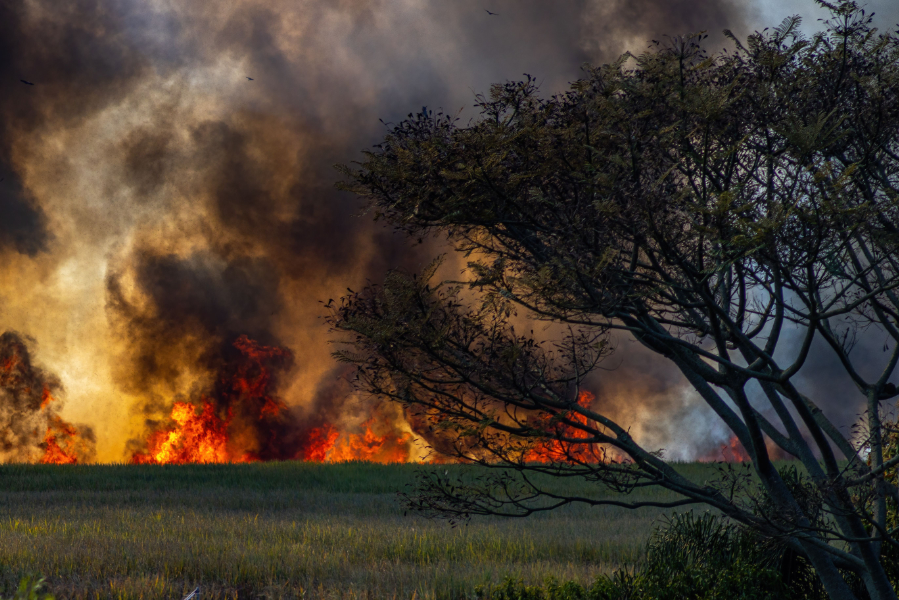
Losses from floods, wildfires, and severe thunderstorms totalled $136 billion in 2024, slightly down from the $143 billion the year before, but well above the average over the past ten years.
The firestorm that has ravaged Los Angeles in recent days is an indication that 2025 may see that figure rise higher still this year.
Tropical cyclones alone contributed $135 billion to the total losses and $52 billion to the insured losses, Munich Re added.
Devastating natural disasters
In terms of the most destructive disasters last year, Hurricanes Helene and Milton, which hit the US in September and October, topped the list with Helene resulting in overall losses of $56 billion, $16 billion of which was borne by insurers.
The third costliest natural disaster was an earthquake in Japan on New Year’s Day, resulting in overall losses of $15 billion, while the natural disaster with the highest death toll was Typhoon Yagi in the Philippines, which resulted in the death of around 850 people.
“The physics are clear: the higher the temperature, the more water vapour and therefore energy is released into the atmosphere,” aded chief climate scientist Tobias Grimm.
“Our planet’s weather machine is shifting to a higher gear. Everyone pays the price for worsening weather extremes, but especially the people in countries with little insurance protection or publicly funded support to help with recovery. The global community must finally take action and find ways to strengthen the resilience of all countries, and especially those that are the most vulnerable.” Read more here.