The Arctic region is undergoing potentially ‘devastating shifts’ which threatens to impact climate security, economic resilience and geopolitical stability, according to the tenth Ocean State Report published by the Copernicus Marine Environment Monitoring Service.
As the report noted, as a result of rising temperatures, global average sea levels have risen by around 4.2mm per year since 2012, with the Arctic region experiencing some of the most significant changes.
Arctic sea-ice
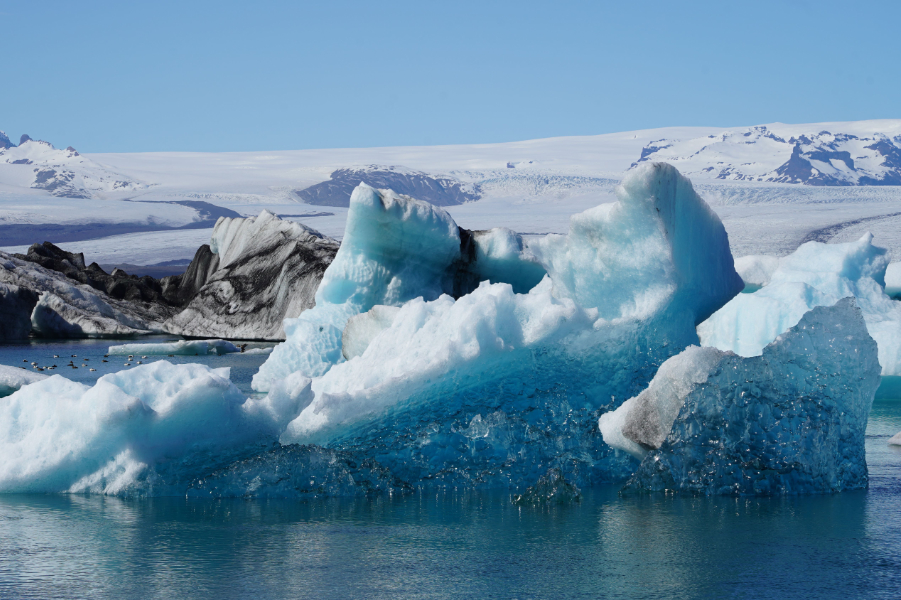
Arctic sea-ice extent fell by roughly 490,000 square kilometres per decade between 1979 and 2025, which corresponds to an area almost as large as Spain.
This, in turn, has led to more wind and wave activity, resulting in around 60% of Arctic coastal infrastructure becoming vulnerable to erosion and sea-level rise.
“The Ocean State Report once again highlights the scale and urgency of the challenges facing our ocean, as climate change continues to transform marine ecosystems and ocean circulation,” commented Andrius Kubilius, Commissioner for Defence and Space, European Commission.
“These changes demand stronger knowledge, international cooperation and action. As we strengthen ocean observation through the OceanEye initiative, Copernicus confirms its role as a strategic European asset. Indeed, it offers a unique long-term commitment for space-based infrastructure and services, which coupled with in situ observations and digital models, constitutes the backbone for observing, understanding and anticipating these changes.”
‘Intense’ temperatures
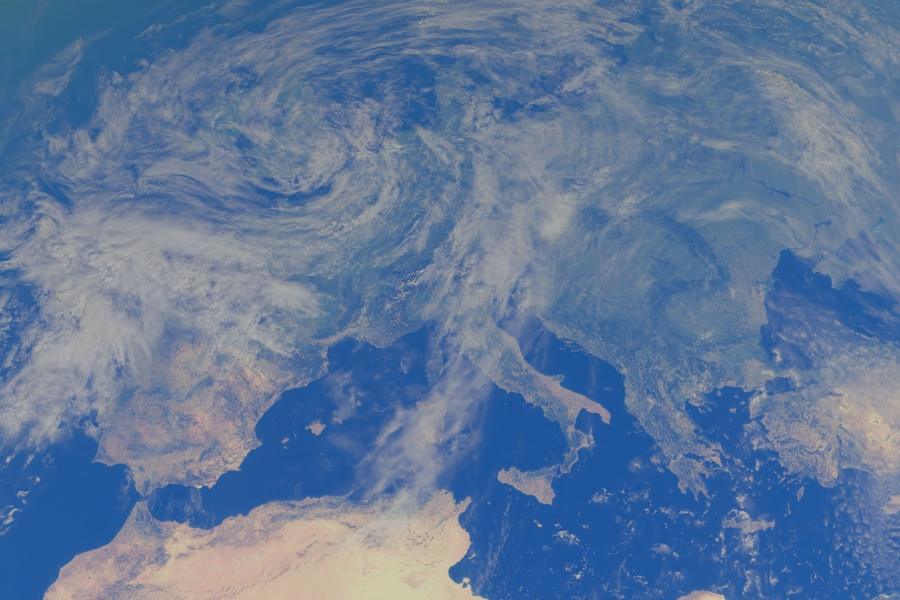
Aside from the Arctic, regional seas in Europe have also experienced ‘intense’ temperatures, according to the report, with the Mediterranean and Black Sea seeing ‘record-breaking’ marine heatwaves, with temperatures more than 4.6 degrees above normal in 2024.
Elsewhere, Small Island Developing States have become more vulnerable, with around two thirds (65%) of their combined Exclusive Economic Zones having experienced accelerating sea-level rise linked to ocean warming.
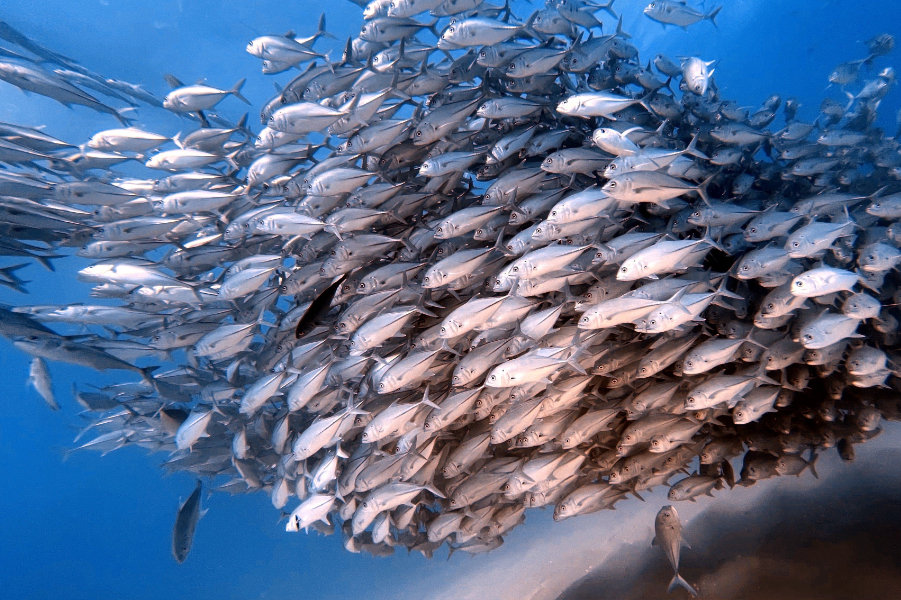
“The Ocean State Report proves the immense pressures our oceans face,” added Costas Kadis, Commissioner for Fisheries and Oceans. “From record-breaking marine heatwaves in the Mediterranean and Black Seas to accelerating sea-level rise and dramatic ice loss in the Arctic, the findings show that climate change is already reshaping marine ecosystems, coastal communities and the livelihoods that depend on them.
“For Europe, this is a call to strengthen our action to protect marine biodiversity, support resilient fisheries and coastal areas, and deepen our knowledge of the ocean. Saving our oceans starts with acting on the clear warning signs of rapid change.” Read more here.