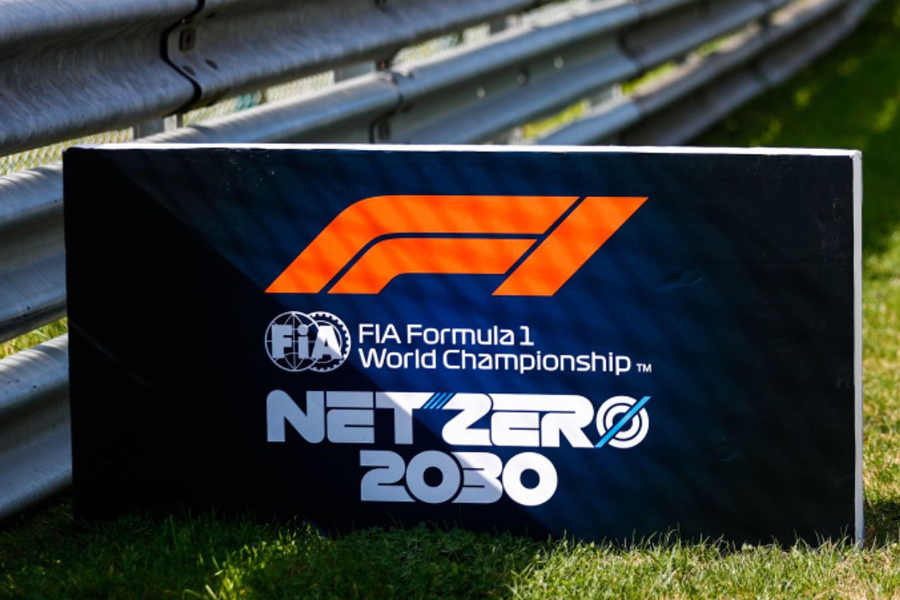
Formula 1 has said that it is ‘on track’ to achieve its net zero target by 2030, having reported a 35% reduction in its carbon footprint compared with its 2018 baseline.
The sport made its assessment in its latest Impact Report, which outlines the level to which emissions have been reduced across travel, logistics, race operations, broadcasting and facilities, all while Formula 1 has continued to expand its global calendar and audience.
“Sustainability underpins every decision we make, not only on the racetrack, but in how we produce and deliver our iconic events around the world,” commented Ellen Jones, head of ESG at Formula 1.
Emissions reductions
Among the core emissions reductions are a 27% reduction in travel emissions since 2018, which represents a reduction of more than 21,000 tCO2e. The sport has pledged its support for sustainable aviation fuel – doubling its investment in said fuel for each of the last two years, which has contributed to an estimated 40% reduction in related air charter emissions.
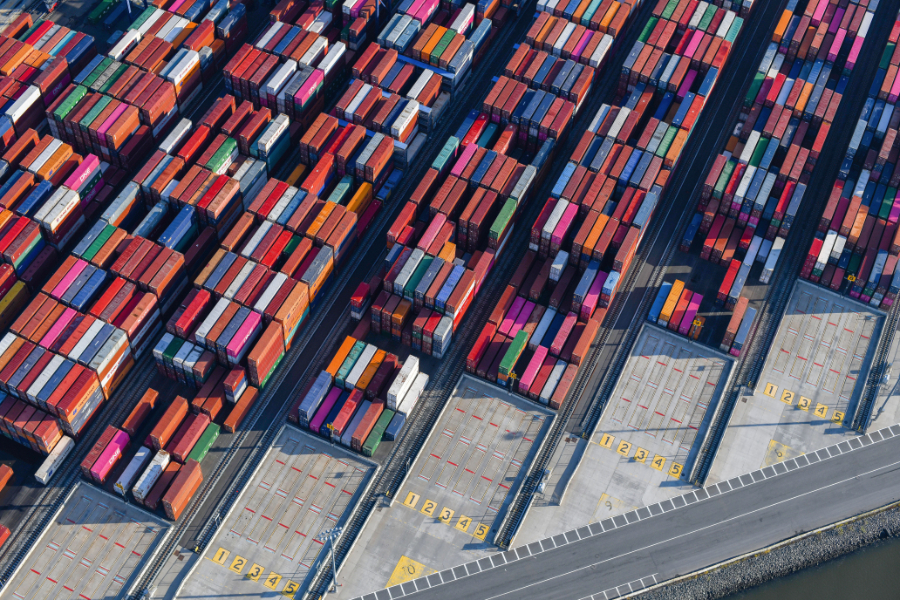
With logistics one of the largest contributors to the sport’s environmental impact, Formula 1 is moving away from air freight to sea transport (it made its first investment in sustainable maritime fuel last year) and the use of regional freight hubs. Elsewhere, significant operational emissions reductions have been achieved at factories, facilities and offices used by Formula 1 teams and their associates – emissions in these areas have seen a 64% reduction since 2018.
Elsewhere, at race weekends, Formula 1 has introduced alternative energy solutions – including HVO, solar power and battery systems – across all European events, ensuring emissions reductions of 17% on a per-race basis.
Technology adoption
“By doubling the sport’s investment in sustainable aviation fuel (SAF), making our first investment in sustainable maritime fuel, and continuing to work closely with promoters, teams and partners, we are driving further emissions reductions while accelerating the adoption of the latest technologies,” Jones added.
“These actions demonstrate our continued determination to lead through sustainable innovation. As we move towards our net zero by 2030 goal, the Future Race Operations Programme will deliver further significant reductions in the years ahead, alongside the full impact of calendar rationalisation, which will come into effect from the 2026 season.
“Together, these initiatives show that sustainable operations are not only possible at a global scale, but can be delivered without compromising the performance, ambition or spectacle that define Formula 1.” Read more here.