Mars, Incorporated has announced a series of partnerships in order to bolster regenerative agriculture across its European pet food supply chain.
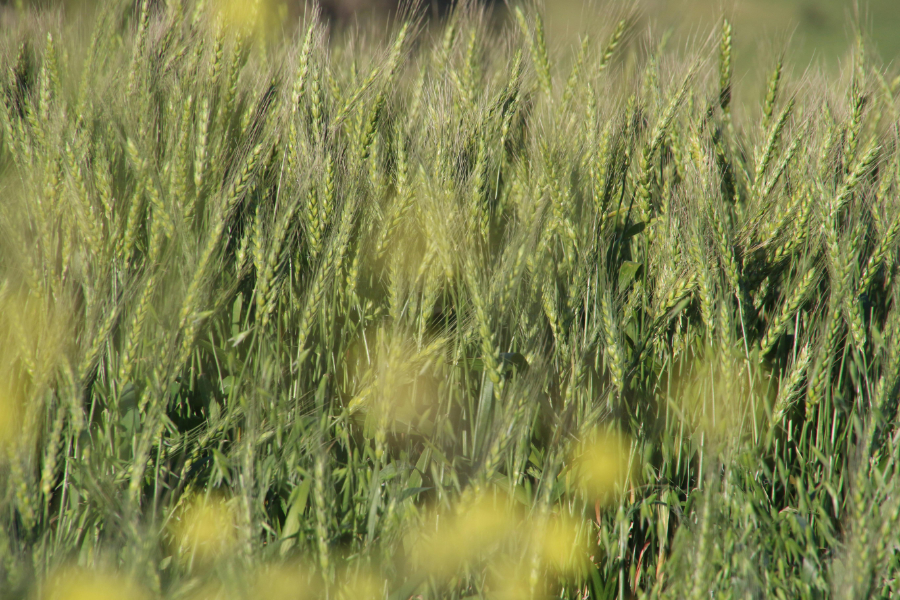
The announcement follows on from Mars’ commitment to implement regenerative practices across more than one million acres of production area by 2030, while in Europe, it is aiming to transition 20,900 hectares of wheat and maize crops to such practices by 2028.
It has announced multi-year partnerships with Cargill and ADM, as well as technical experts Biospheres, Horta, Agreena and Soil Capital, on the development of services to support adoption of regenerative agriculture practices, including crop rotation, minimal tillage, and cover crops.
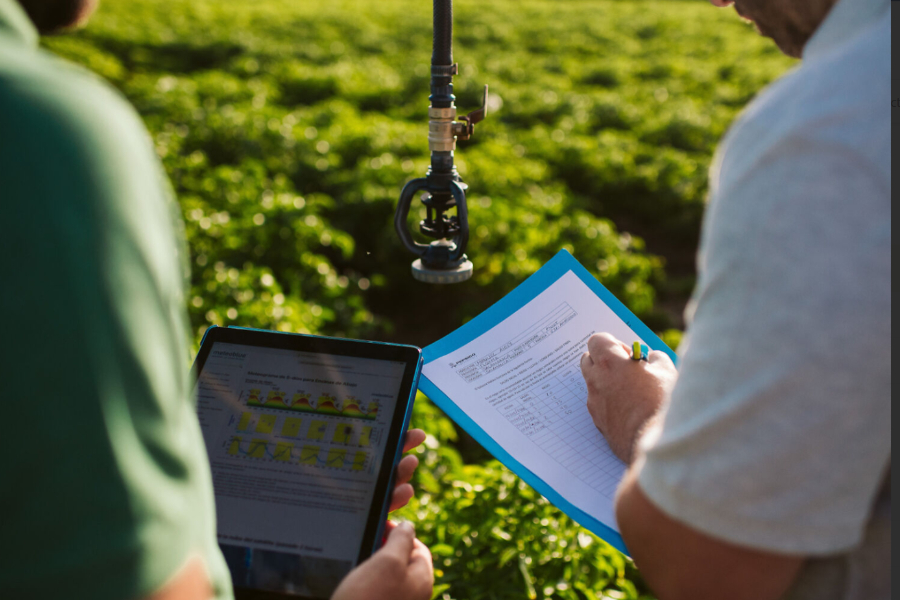
Through the partnerships, farmers in Poland, Hungary, and the UK will be offered financial incentives, training, and technical support to adopt climate-smart agriculture methods.
‘A sustainable future’
“At Mars, we know businesses like ours play a key role in securing a sustainable future for pet food,” commented Deri Watkins, regional president, Mars Pet Nutrition Europe. “Healthy soil is the backbone of a resilient food system.
“Through these partnerships, we’re extremely proud to be playing our part in driving regenerative agriculture practices across Europe, restoring soil health, cutting carbon and building a stronger and more sustainable supply chain for farmers and future generations of pets and pet parents.”
Through the implementation of more sustainable agriculture practices, Mars hopes to ensure increased yields, lower greenhouse gas (GHG) emissions through reduction and carbon sequestration, improved water quality, enhanced soil health and improved biodiversity, the company added.
Tracking impact
Mars plans to utilise ‘robust measurement, reporting, and verification systems’ to track the impact of the projects, and to ensure transparency, improved soil health and a reduction in greenhouse gas emissions.
The efforts also contribute to Mars’ broader goals, outlined in its 2023 Sustainable in a Generation Report, which reported a 8% reduction in greenhouse gas emissions, doubling its cumulative reductions since 2015. Some 60% of the group’s value chain greenhouse gas footprint is derived from agricultural ingredients. Read more here.