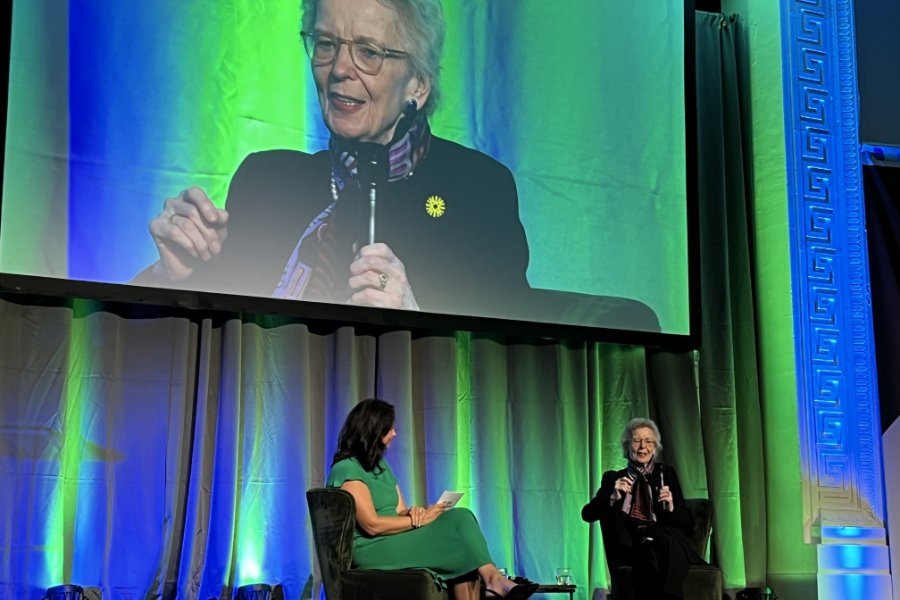
Mary Robinson, Ireland’s first female President and former United Nations High Commissioner for Human Rights, has called on business leaders to continue advancing DEI initiatives despite growing political and social resistance.
Speaking at the LEAD Network Annual Conference in Dublin, Robinson called on leaders to “ignore the noise” and continue to pursue their equality and inclusion targets.
“If you believe in something, say to yourself, I’m prepared to pay the price,” she said. “I’m moving forward.”
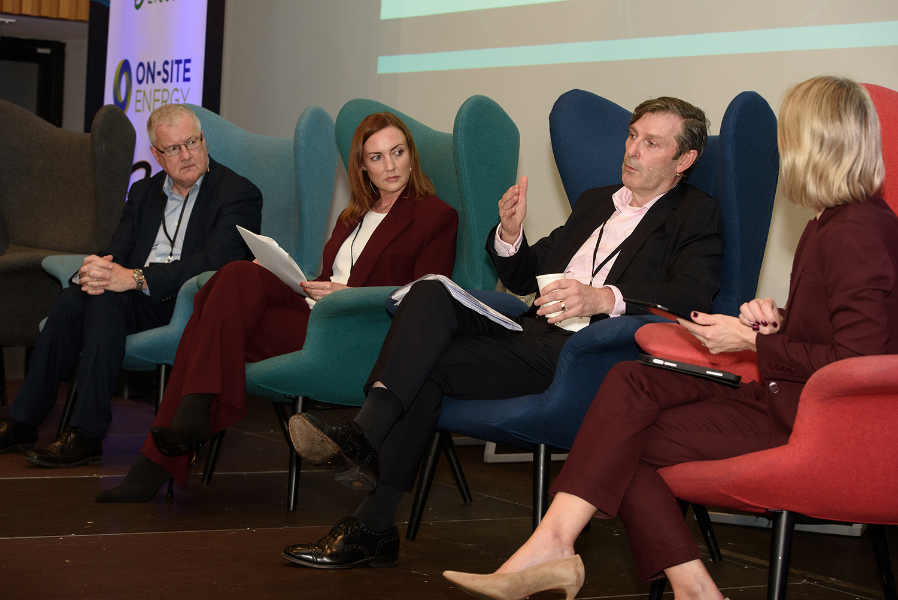
Speaking in a keynote conversation with Sarah Ferguson of Kellanova, Robinson reflected on her career in human rights and equality, and the resistance she encountered when campaigning for access to contraception in Ireland in the 1970s – a time when ‘church’ and ‘state’ operated very much in tandem.
“I was a hate figure,” she recalled. “I got a lot of mail, calling me a witch from hell. Telling me I was the only snake that St. Patrick hadn’t got rid of. […] But I said to myself, this is so important. I’m prepared to pay the price. You don’t always have to be popular. I’m prepared to go ahead with this. That scar tissue, as they call it: that steadied me.
Business operations
Robinson said businesses have an important role to play in wider social change, arguing that inclusion and social responsibility should be embedded in the way organisations operate. For example, firms should examine whether their working practices take account of different responsibilities, including caring responsibilities for working mothers.
“If a corporation promotes equity and inclusion as part of their way forward, it makes a real difference,” she added.
Robinson said the current backlash against women’s rights and other equality issues was visible in the US, Europe and elsewhere, suggesting that to some extent it represents a “sign of progress. […] It’s a sign that women are more visible; are in more positions of power. Not nearly enough, but it’s much more visible.”
Driving change
Rather than retreating from inclusion efforts, she urged businesses to continue to support equity and safe workplaces, even if doing so becomes more difficult publicly.
“Even if the backlash makes it harder to do it more vocally and more visibly, keep going,” she said. “Keep on. Because what corporations do also influences wider society.”
She also urged delegates to ask difficult questions within their own organisations and speak up when they see things that they don’t agree with, adding that making people “slightly uncomfortable” by raising the right questions can help individuals recognise their ability to contribute to change.
A ‘prisoner of hope’
In closing, Robinson drew on the words of Archbishop Desmond Tutu, who once described himself not as an optimist but as a ‘prisoner of hope’.
“What does that mean? What it means is, the glass may not be half full,” she explained. “There may only be a little bit in the glass. But you work with that. You grow that. You collaborate. You work with others. Hope is action. Hope is taking steps.
“And when you take steps, and take action, that’s where you get the oxygen of encouragement to go further.”