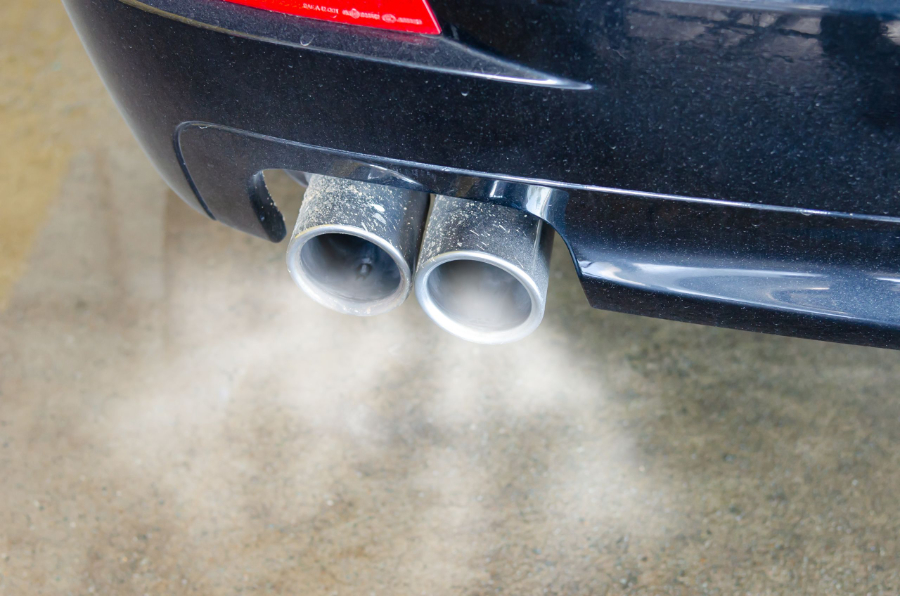
Plug-in hybrid electric vehicles (PHEVs) boast real-world emissions at around six times their official CO₂ figures, new analysis from Transport & Environment (T&E) has suggested.
T&E’s report, Still smoking: the PHEV emissions scandal continues, found that real-world emissions from PHEV models registered in Europe in 2024 were just 14% lower than those of traditional ICE and hybrid vehicles. Official test figures suggest a 83% reduction in emissions.
‘Even when the battery is powering the vehicle, the combustion engine operates for roughly a third of kilometres driven,’ T&E noted, adding that this discrepancy leads to additional fuel costs for drivers – up to €680 per year.
T&E noted that the EU is addressing the real-world emissions discrepancy by correcting the ‘utility factor’, which sets the share of driving powered by electricity when calculating official PHEV emissions. This has already led manufacturers to fit larger batteries and extend the electric range of PHEVs.
‘Manipulating the math’
“Rolling back the next correction means deliberately manipulating European car emissions math,” commented Lucien Mathieu, cars director at T&E. “If Germany gets its way, carmakers will keep overstating how much PHEVs drive electric, leaving consumers with higher fuel bills and stretching the EU’s oil dependency.
“The utility factor correction is doing more than fixing misleading emissions figures. It is pushing carmakers to improve the range of PHEVs.”
PHEV assessment
As part of its analysis, T&E assessed 20 of the best-selling PHEV models, representing 51% of the overall sales market in 2025.
It noted that Volkswagen Group introduced the ‘most impactful upgrades’ last year as a consequence of the utility factor correction, with the electric range of the Volkswagen Tiguan, for example, increasing from 55km to 119km.
However, T&E also said that ‘freezing’ the utility factor correction at its 2025–26 level would leave real-world PHEV emissions underestimated by 56% and reduce the number of battery-electric vehicles manufacturers would need to sell to meet the EU’s 2030 target.
“A decade after Dieselgate, it is outrageous that Europe is once again debating whether to keep using misleading emissions to sell cars,” Mathieu added. “Drivers deserve the truth, not another fix to protect carmakers’ profits while leaving drivers hundreds of euros out of pocket.” Read more here.