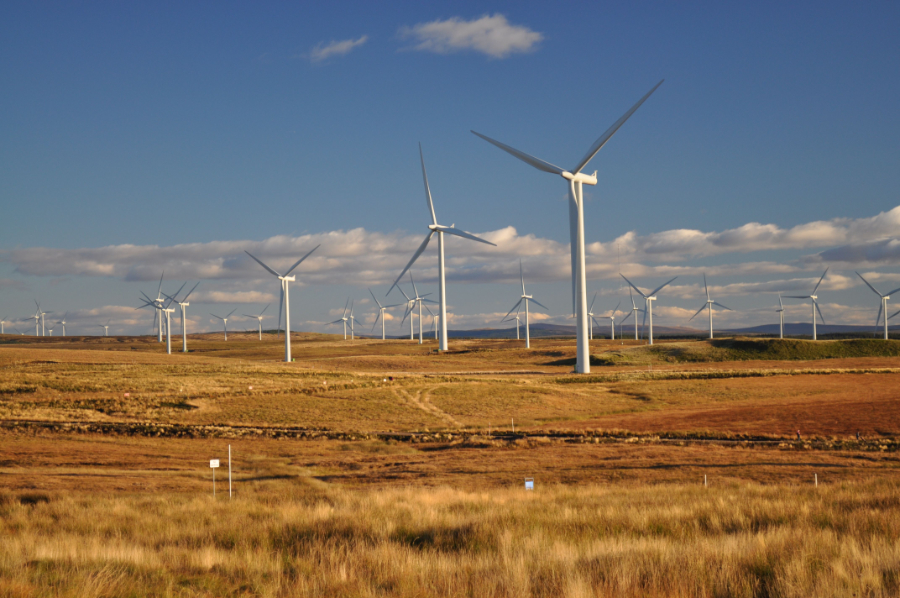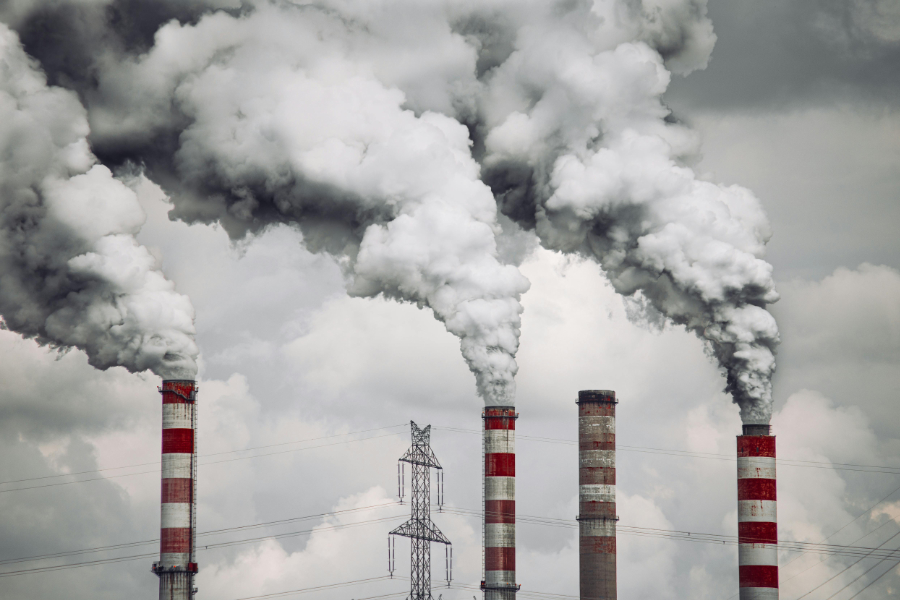
The Rockefeller Foundation has announced new efforts to accelerate access to clean, affordable energy for communities living near coal-fired power plants in developing countries, under its Coal to Clean Credit Initiative (CCCI).
At an event in Singapore, the Foundation announced a new collaboration with GenZero, Keppel, Mitsubishi Corporation, and its subsidiary, Diamond Generating Asia, under which the first CCCI pilot will be developed in the Philippines.
Aligned to this, Verra, a non-profit certification body that issues Verified Carbon Units (VCUs) for carbon reduction, has officially approved the CCCI’s methodology.
According to The Rockefeller Foundation, support for 60 CCCI projects by 2030 could unlock as much as $110 billion in public and private investment, create as many as 29,000 permanent jobs, and significantly reduce workplace-related illness and fatalities.
Energy choices
“Energy access and abundance define people’s, community’s, and country’s futures,” commented Ashvin Dayal, senior vice president, Power and Climate at The Rockefeller Foundation. “With electricity demand increasing around the world, The Foundation has been looking for ways to work with communities and countries as they make the best energy choices for their people.
“As more and more countries and communities choose to transition to clean energy sources, philanthropy has a unique role to play — we can take risks where others cannot and catalyse momentum needed. The projects announced this week will do just that, offering real benefits for people living and working in these communities.”
Since 2022, the Foundation has invested more than $10 million in identifying eligible communities for CCCI projects, as well as support pre-feasibility assessments.
Clean power
In 2023, the Foundation announced a new collaboration with ACEN Corporation to explore leveraging carbon finance to replace ACEN’s 246 MW South Luzon Thermal Energy Corporation (SLTEC) coal plant in the Philippines with clean power and battery storage, while supporting the communities affected by this transition.
This coal plant, which was initially scheduled for retirement by 2040, will instead be shuttered by 2030, to be replaced by 1,000 megawatt (MW) of solar, 250 MW of wind, and 1000 MW of battery energy storage. Read more here.