Small- and medium-sized enterprises across Europe continue to demonstrate a ‘strong appetite’ for new energy solutions, despite concerns over high costs and ROI uncertainty, according to a new study by LCP Delta.
The energy consultancy surveyed 425 SMEs across the UK, France, Germany and Italy, and found that while the majority are eager to invest in smarter energy solutions, 44% cite high upfront costs and 25% report uncertainty around savings and payback periods.
Smart energy investment
Among SMEs, smart energy investment has been highest in areas such as energy efficient lighting (51%), HVAC systems (42%) and smart thermostats (39%), while businesses also demonstrate a ‘clear understanding’ of the benefits of future energy investments.
Some 56% cited reducing energy costs and improving cost efficiency as a key priority, with 30% citing the need to enhance staff and customer comfort, and 29% pointing to the need to simplify energy management and operations.
Over the next one to three years, 28% of respondents said that they planned to invest in on-site solar photovoltaic production, with a third (33%) keen to invest in smart thermostats.
Maintaining commitment
“Despite facing cost and resource pressures, SMEs are clearly showing that they are committed to investing in smart energy solutions,” commented Gabrielle Heal, commercial and industrial research lead at LCP Delta.
“Our report highlights that they understand the value of these technologies, are making sensible decisions, and are looking ahead to the next opportunities. Now is the time to provide them with the solutions and policy support they need to keep pace with their momentum. Ultimately, by making solutions more accessible, we can help unlock greater benefits for SMEs and drive further investment across the industry.”
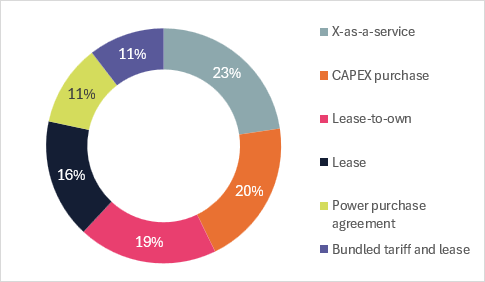
As the report noted, increased numbers of SMEs are turning to alternatives to traditional capital expenditure models when investing in smart energy, with many expressing interest in financing options that spread costs over time – including lease-to-own arrangements and service-based models.
Close to three quarters (74%) of those surveyed said that they would be willing to pass control of energy assets to a third party if it helps to guarantee bill savings. Read more here.
Which procurement option do SMEs prefer for future energy equipment investment?