Ocean heat damage now occurs all year-round, not just in summer
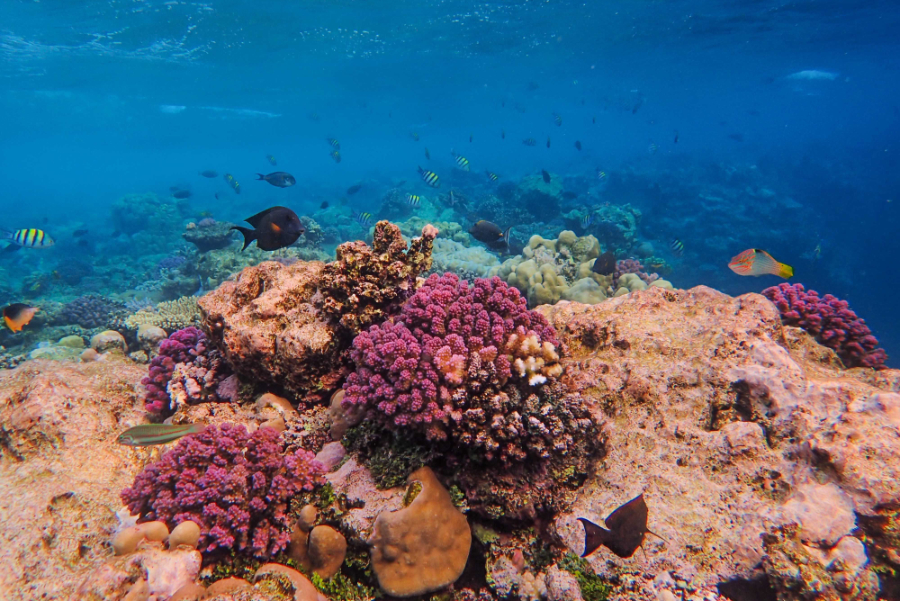
The world's oceans experienced significant damage throughout the first year in which global temperatures temporarily exceeded 1.5°C above pre-industrial levels, a new study led by King Abdullah University of Science and Technology (KAUST) has found.

The world’s oceans experienced significant damage throughout the first year in which global temperatures temporarily exceeded 1.5°C above pre-industrial levels, a new study led by King Abdullah University of Science and Technology (KAUST) has found.

According to the study, which was published in One Earth, the damage ranged from coral bleaching and harmful algal blooms to species mortality, habitat disruption, and fisheries impacts, with KAUST suggesting that current monitoring systems may be overlooking significant ecological impacts.

Researchers analysed 201 marine ecological impact events from around the world for the study, which examined how oceans responded during the first year in which global temperatures breached the 1.5°C benchmark, as outlined in the Paris Agreement.

All-year round

“This study provides a real-world snapshot of how marine ecosystems responded during an exceptional period of ocean warmth,” commented Dr Shannon Klein, lead author and research scientist at KAUST.

“One of the clearest findings was that impacts were not confined to traditional summer heat extremes. We found evidence of ecological disruption across seasons, which suggests that understanding and responding to ocean warming requires year-round monitoring and assessment.”

Ecological impacts

Some 98% of documented ecological impacts were associated with unusually warm sea temperatures, while more than half of all reported events resulted in mass mortality affecting marine ecosystems.

For example, 18 of the 50 coral reef regions previously identified as being among the most resistant to climate change experienced significant impacts during the period.

Notably, close to a third of ecological impacts recorded outside tropical regions occurred in cooler marine systems, underpinning the need for year-round monitoring to understand the full extent of climate-related changes.

“Marine ecosystems are influenced by a combination of factors, including ocean warming and extreme weather events,” added Carlos Duarte, distinguished professor of marine science at KAUST and senior author of the study.

“Studies such as this help us understand those interactions at a global scale while providing knowledge that can support monitoring, conservation, and resilience efforts in regions such as the Red Sea.” Read more here.

Discover more from Sustainability Online

Subscribe now to keep reading and get access to the full archive.

Continue reading