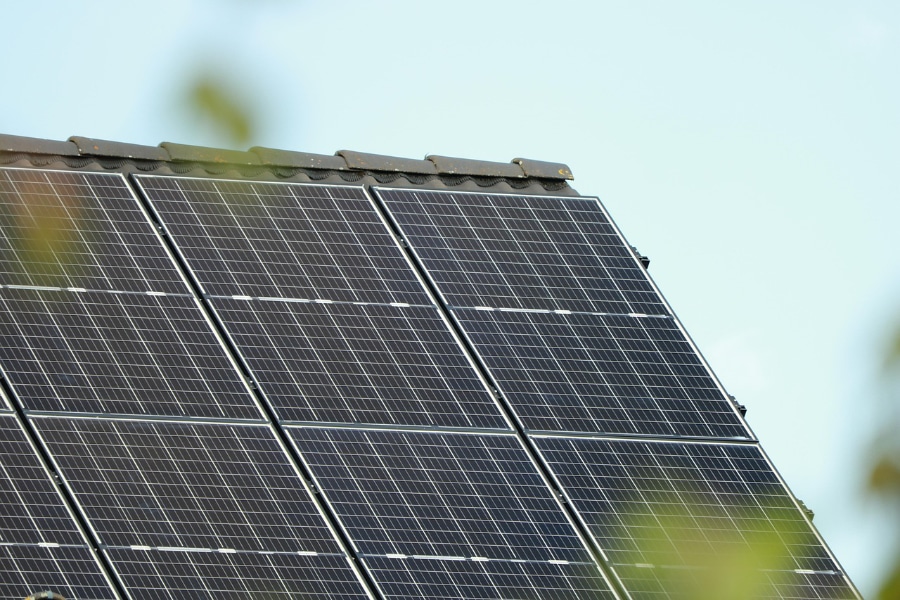
Decarbonising the built environment will be key to accelerating the path to net zero, with buildings currently accounting for 40% of global emissions, a study has claimed.
The survey of 3,500 respondents across 25 countries and 18 industries, conducted by Johnson Controls and Forrester Consulting, asked respondents to identify areas in which they can make their company-owned spaces more sustainable.
More than two thirds (69%) said that smart buildings are important in helping their organisations accelerate sustainability initiatives, while 56% said that they are adding upgrading building automation, and 42% noted that they are implementing digital technologies to optimise energy use.
‘A tipping point’
“We cannot decarbonise the planet without decarbonising buildings,” commented Katie McGinty, vice president and chief sustainability and external relations officer at Johnson Controls. “This research shows that we’re at a tipping point where sustainability is a top business priority and companies are aggressively pursuing their net zero targets but are also actively seeking partners to help accelerate those efforts.”
Other findings from the study indicate that 10% of respondents have introduced solutions to digitise the energy usage, emissions and cost savings of their buildings systems, while roughly a third believe that AI will have a significant impact on improving the sustainability of their company-owned spaces.
Elsewhere, one-third of leaders acknowledge that their organisation could sustain its sustainability goals in the face of a minor budget cut, while the remaining two-thirds would require assistance to uphold the resilience of their sustainability strategies.
‘Strengthen the bottom line’
“Working with partners to rapidly deploy smart building technology not only cuts waste but strengthens the bottom line,” McGinty added.
“It’s also increasingly becoming a regulatory imperative, an expectation of stakeholders, and a differentiator for attracting talent. Smarter, more sustainable building solutions are immediate steps leaders can implement to make a difference on climate change.”
Find out more here.